The most common cycling mistakes in Mallorca include underestimating the climbs, skipping sun protection, not carrying enough water, riding in the midday heat, packing the wrong gear, and choosing routes that exceed your fitness level. These errors catch out cyclists of all abilities, from first-timers to seasoned riders who assume Mallorca is an easy destination. The questions below break down each mistake and show you exactly how to avoid it.
Why do cyclists underestimate Mallorca’s climbs?
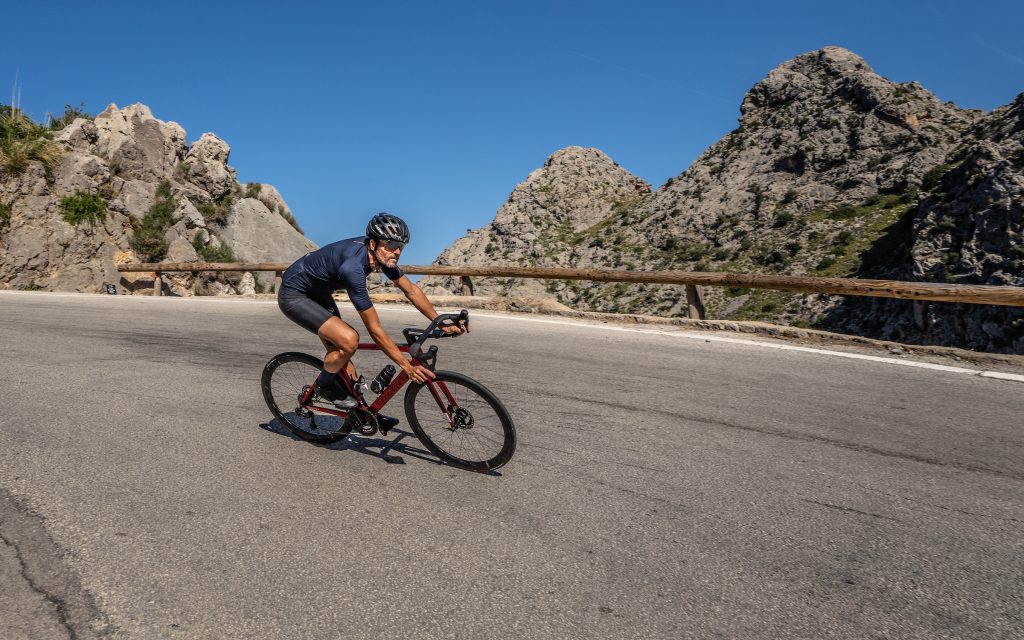
Cyclists underestimate Mallorca’s climbs because the island looks compact on a map, but the Serra de Tramuntana mountain range in the northwest contains some of the most demanding ascents in European cycling. Passes like Sa Calobra, Puig Major, and the Coll de Soller involve sustained gradients that will humble even experienced riders who haven’t prepared specifically for them.
The problem is compounded by the Mediterranean setting. Riders arrive expecting a relaxed holiday, see blue skies and sunshine, and set off without fully accounting for how quickly the roads tilt upward. A climb that looks short on a route profile can take 30 to 60 minutes of continuous effort at altitude. If you want to explore Mallorca’s iconic climbs, it pays to research the elevation gain and average gradient before you leave, not on the morning of the ride.
The best approach is to start with shorter, lower-altitude routes on the first day or two and let your legs adapt to the terrain. Mallorca rewards patience. Riders who build gradually almost always have a better experience than those who go straight for the big mountain passes on day one.
What happens when cyclists skip sun protection on Mallorca?
Skipping sun protection on a Mallorca bike ride leads to painful sunburn, fatigue, and in serious cases, heat exhaustion. The Mediterranean sun is significantly stronger than what most Northern European cyclists experience at home, and the reflective effect of road surfaces and sea air intensifies UV exposure. Many cyclists burn within the first two hours without realising it.
The areas most commonly missed are the back of the neck, the forearms, and the tops of the knees. These are exactly the surfaces most exposed during a ride. A high-factor sunscreen applied before you set off, and reapplied during longer breaks, makes a significant difference. Lightweight arm sleeves are also a practical option that doubles as protection against early morning chill on descents.
Sunglasses with UV protection are equally important. Squinting into bright sunlight for several hours causes headaches and eye fatigue that can ruin the second half of your ride. Treat sun protection as essential kit, not an optional extra.
How much water should you carry on a Mallorca bike ride?
On a Mallorca bike ride, you should carry a minimum of two water bottles totalling at least 1.5 litres, and plan your route around refill stops. In summer months or during longer rides, carrying a hydration pack in addition to your bottles is a sensible precaution. Dehydration sets in faster than most cyclists expect in warm, dry conditions.
The key mistake is assuming there will always be a café or fountain around the next corner. Some of the most scenic roads in Mallorca, particularly in the Tramuntana, pass through stretches with no services for 20 kilometres or more. Before you ride, identify where the villages and rest stops are and plan your water intake around them.
A practical rule of thumb is to drink before you feel thirsty. By the time thirst kicks in, you are already mildly dehydrated, and performance drops quickly from that point. Electrolyte tablets or sports drinks are worth adding to at least one bottle on rides lasting more than two hours, since sweat loss in the Mallorcan heat depletes salts as well as fluids.
Should you ride in the midday heat in Mallorca?
You should avoid riding in the midday heat in Mallorca, particularly between 12:00 and 15:00 during spring and summer. Temperatures regularly climb above 30 degrees Celsius in these hours, and the combination of heat, direct sun, and physical exertion significantly increases the risk of heat exhaustion and sunstroke. Most experienced Mallorca cyclists start early and are back at the hotel before the hottest part of the day.
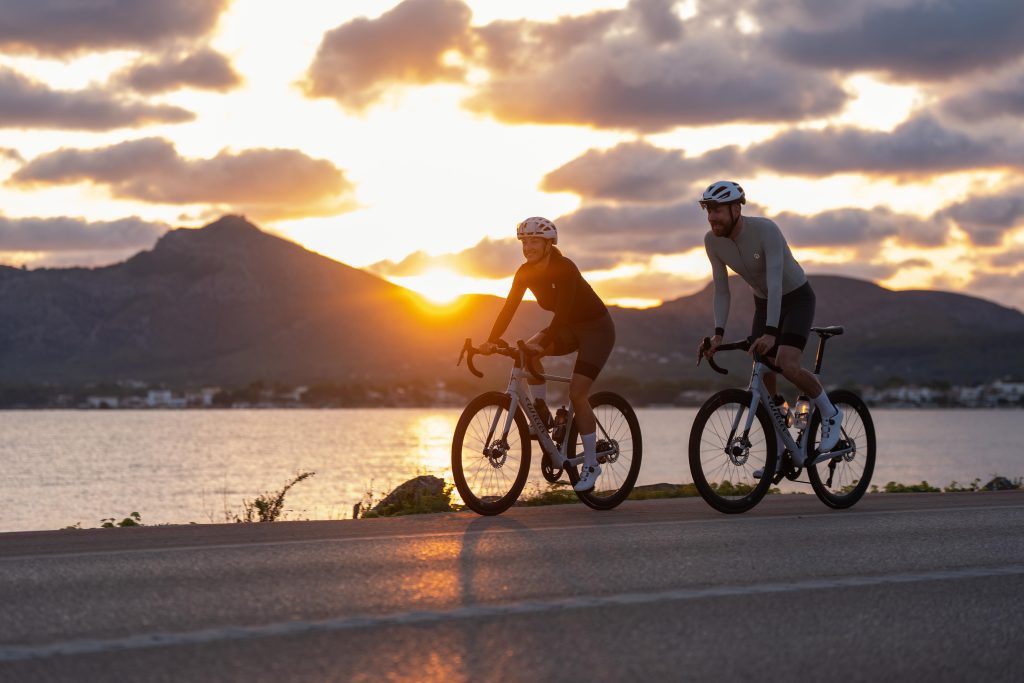
Starting your ride at 7:00 or 8:00 in the morning gives you cooler temperatures, quieter roads, and often the most spectacular light of the day. If you prefer afternoon riding, wait until 16:00 or later when the heat begins to ease. The midday break is a natural part of the Mallorcan rhythm and a perfect opportunity to rest, eat well, and recover for the following day.
This is one of the cycling mistakes in Mallorca that is entirely avoidable with a small adjustment to your schedule. The island is beautiful at any hour, but the early morning hours on a quiet mountain road are genuinely hard to beat.
What gear mistakes do cyclists make when packing for Mallorca?
The most common gear mistakes cyclists make when packing for a Mallorca cycling holiday are bringing too many heavy layers, forgetting a lightweight windproof jacket, and neglecting to pack a small saddle bag with basic repair supplies. Many riders also arrive without chamois cream, which becomes essential on multi-day riding holidays.
Overpacking warm clothing
Mallorca is warm, but mornings in the mountains can be genuinely cold, especially early in the season. The mistake is packing a heavy fleece instead of a packable windproof or gilet that can be stuffed into a jersey pocket on the descent and removed once the temperature rises. Versatility matters far more than bulk when you are riding.
Neglecting basic repair kit
A surprising number of cyclists arrive without the tools to handle a puncture independently. At minimum, carry two spare inner tubes, a CO2 inflator or mini pump, tyre levers, and a multi-tool. Mallorca’s roads are generally excellent, but punctures happen, and being stranded on a remote mountain road without repair supplies is an unpleasant experience that is entirely avoidable.
How do you choose the right route for your fitness level in Mallorca?
To choose the right route for your fitness level in Mallorca, match the route’s total elevation gain and distance to your recent training, not your aspirational fitness. A rider who regularly completes 60-kilometre flat rides at home should not attempt a 100-kilometre mountain stage on day one of their holiday. Start conservatively and build as your legs adjust to the terrain and conditions.
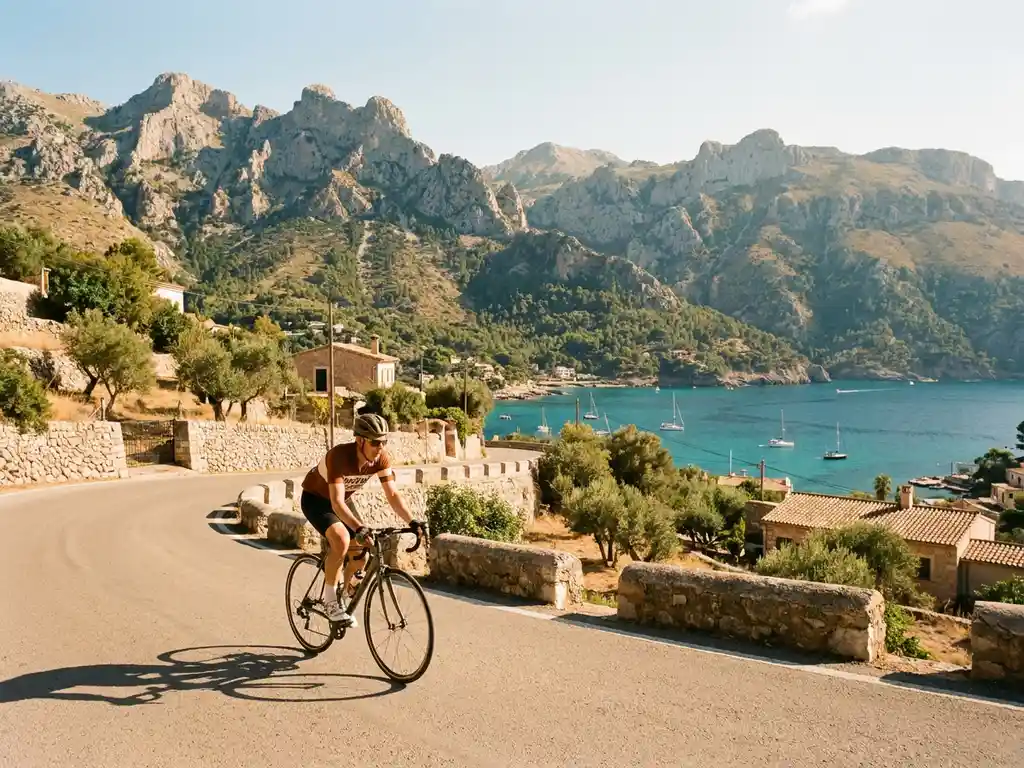
Mallorca offers an exceptional range of routes, from flat coastal rides around the Bay of Palma to technical mountain stages in the Tramuntana. If you are newer to cycling or prefer a relaxed pace, the flatter roads in the south and east of the island are ideal. They allow you to enjoy the scenery, stop for coffee, and cover enjoyable distances without the physical demands of the mountains.
Guided group rides are one of the most reliable ways to ride at the right level. We organise group rides at five different levels, including our Easy Riders rides covering 50 to 60 kilometres at around 20 kilometres per hour, which are designed specifically for cyclists who want to enjoy the island without pushing their limits. Riding with a guide also means local knowledge of road conditions, safe stopping points, and the best routes for the day’s weather. If you want to find the right option for your level, feel free to get in touch with us and we will help you plan the perfect ride.