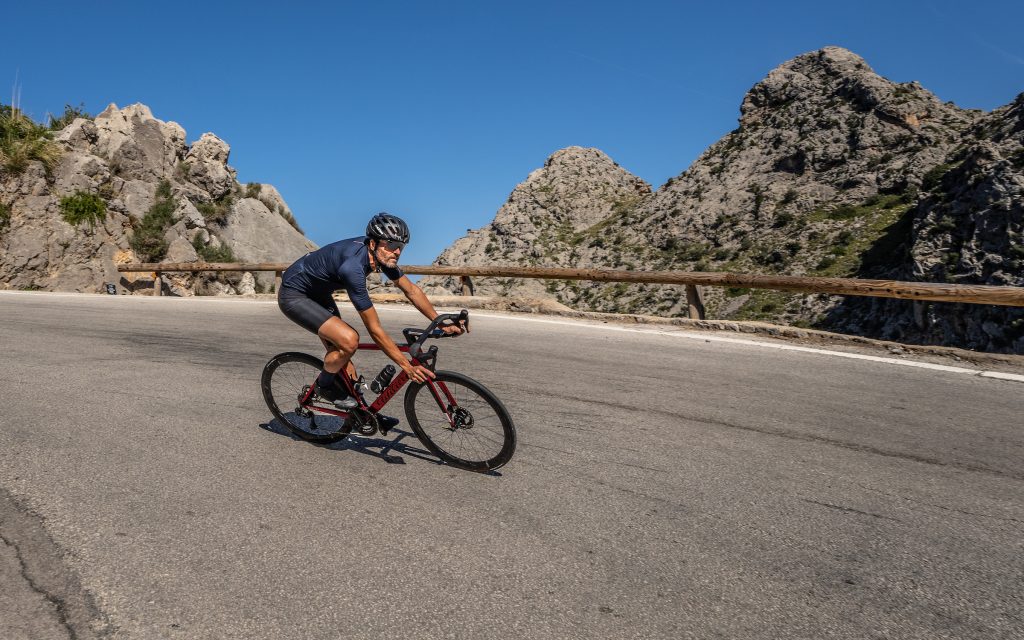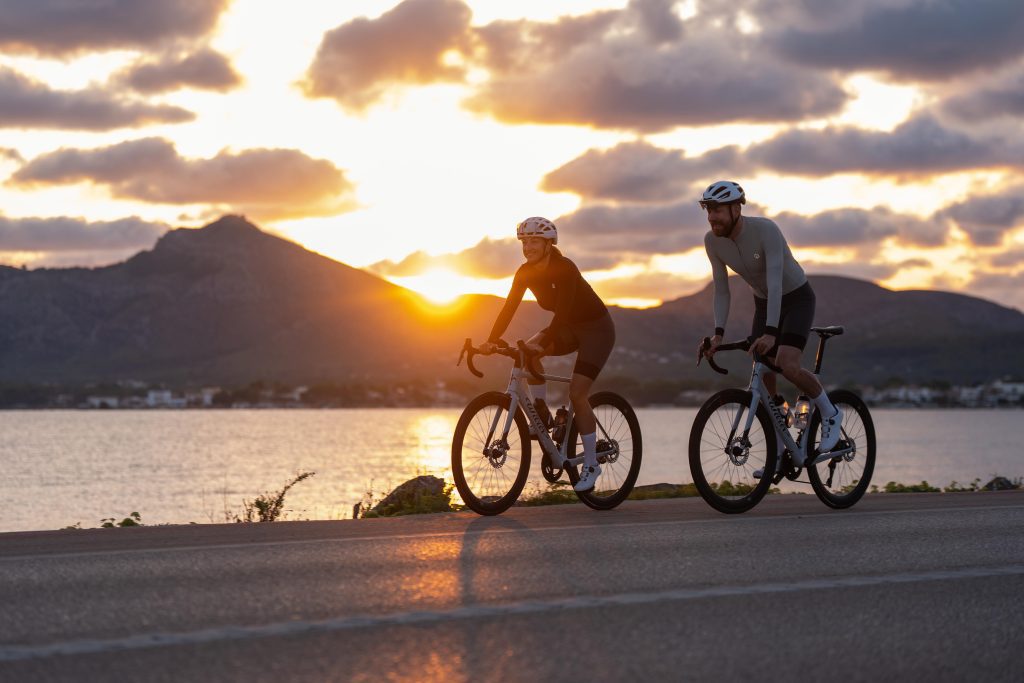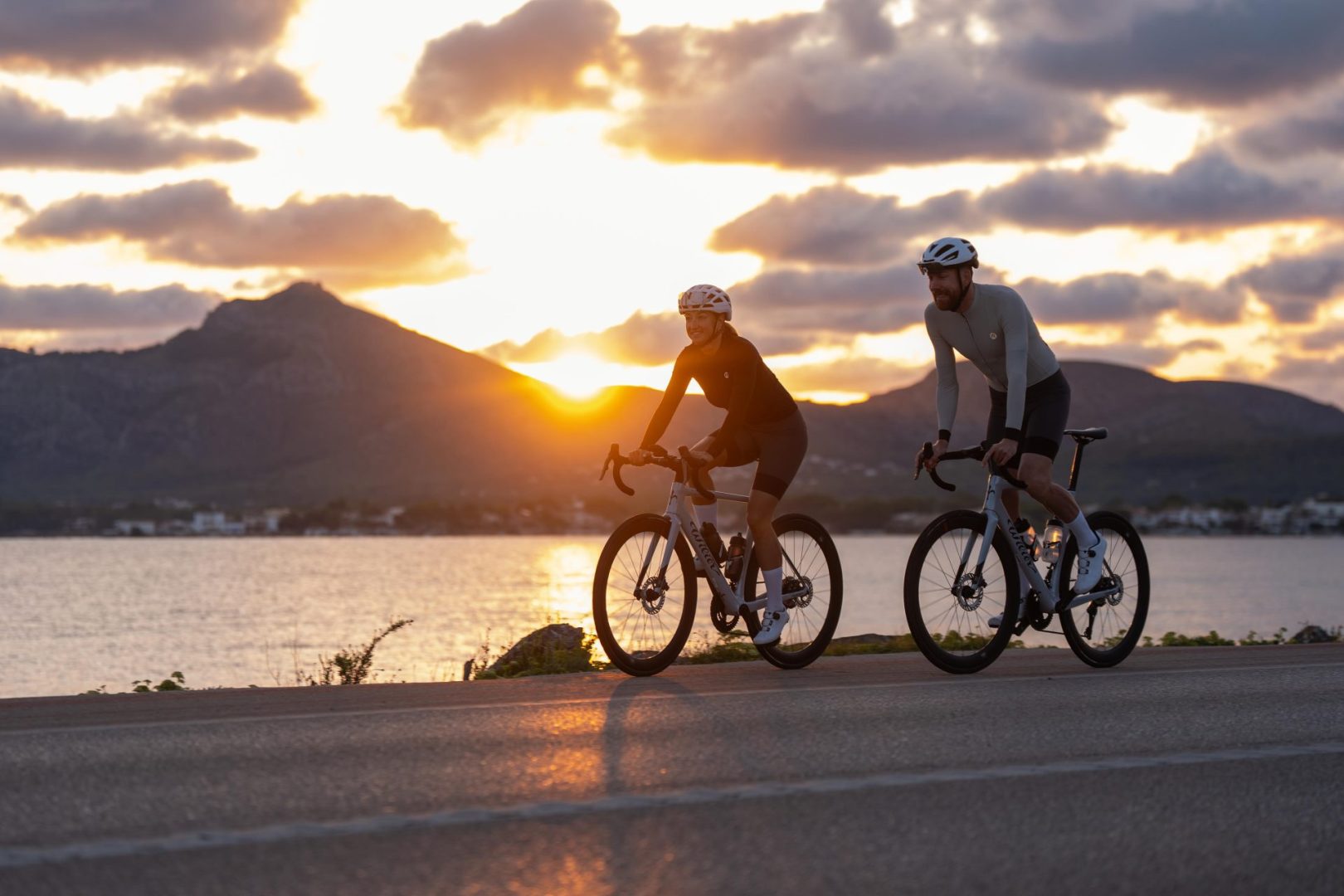
The best months for cycling in Mallorca are April, May, September, and October. During these periods, temperatures range between 18 and 27°C, there is little rainfall, and a pleasant breeze blows. The summer months of July and August are too hot, with temperatures above 30°C, while the winter months from December through February can be too cold and wet to comfortably cycle.
When is the weather in Mallorca best for cycling?
You’ll find the ideal cycling climate in Mallorca from April through June and from September through October. During these months, temperatures vary between 18 and 27°C: perfect for longer bike rides without overheating. Spring brings blooming almond trees and green landscapes, while autumn offers stable weather and clear skies.
Weather conditions in spring are characterized by mild mornings around 15 to 18°C, which warm up to pleasant afternoon temperatures. Rainfall usually remains limited to short showers, often at night. The sea breeze provides natural cooling while cycling along the coast.
Autumn offers similar advantages, with slightly warmer sea temperatures and less changeable weather. September can still be warm (22 to 27°C), but October is ideal, with temperatures around 20 to 23°C. Wind patterns are favorable during these periods, with the Tramuntana wind providing refreshment in the mountains.
Which months should you avoid for a cycling vacation in Mallorca?
July and August are the least suitable months for cycling holidays in Mallorca due to extreme heat up to 35°C and mass tourism. We also advise against December, January, and February due to cold temperatures (10 to 15°C), frequent rain showers, and strong winds, making cycling unpleasant.
The summer months bring not only heat but also busy roads full of tourists and an increased risk of heat stress while cycling. The island fills up with visitors, causing popular cycling routes to become overcrowded and accommodations to become more expensive.
In winter, the weather can change quickly. Rain can start suddenly, especially in the mountains. Temperatures usually stay above 5°C, but cold wind and rain can make cycling less comfortable. In bad weather, some mountain roads may also be closed for a short time.
March and November are transitional months when conditions can vary. Early March can still be cool, while late November may already bring winter showers.
What are the advantages of cycling in spring and autumn in Mallorca?
Spring and autumn offer the perfect combination of pleasant temperatures, fewer crowds, and beautiful nature. In April and May, nature blooms abundantly with wildflowers and green landscapes, while September and October offer stable weather and warm sea temperatures for relaxation after cycling.
In spring, Mallorca transforms into a blooming paradise. Almond trees are in bloom, fields turn yellow with flowers, and the air is clear and fresh. Temperatures gradually rise from 18°C in April to 24°C in May: ideal for both short, relaxed rides and longer mountain tours.
Autumn is characterized by stable weather patterns and fewer tourists. September still offers summer-like temperatures but without the extreme heat, while October is perfect, with temperatures around 22°C. The sea is then still warm enough for a refreshing swim after a bike ride.
At Rompelberg, we make your cycling holiday in Mallorca as easy and enjoyable as possible. From choosing the right bike to finding beautiful routes and getting local tips, our team is always there to help. Whether you prefer a relaxed ride along the coast or a challenging day in the mountains, we help you get the most out of every day on the bike.
How does the cycling climate differ between the coast and mountains of Mallorca?
The coastal climate is milder and more stable, with temperatures 3 to 5°C higher than in the mountains, while the Serra de Tramuntana is cooler, with more wind and changing weather conditions. Along the coast, a refreshing sea breeze usually blows; in the mountains, sudden weather changes can occur.
The coastal areas around Playa de Palma and Alcúdia benefit from the Mediterranean sea climate, with mild temperatures and relatively constant humidity. The sea breeze provides natural cooling while cycling, especially in the afternoon when the sea wind picks up.
In the Serra de Tramuntana, temperatures can be 5 to 8°C lower than on the coast. At 500 meters elevation, it’s noticeably cooler, while at the highest points around Puig Major (1,445 m), temperatures can drop below 10°C, even in summer.
In the mountains, the weather can change quickly and there is often more rain. Fog can appear in the morning, and the wind can suddenly become stronger. It is therefore best to start mountain rides early in the day and always bring an extra layer of clothing.
Along the coast, the weather is usually more stable. This makes it a good choice for longer and more relaxed bike rides. Want to know more about us or the best cycling routes? Feel free to contact our team.