The best time of year to book a road bike holiday in Europe is between March and May or September and October. These shoulder seasons offer mild temperatures, manageable traffic on popular climbs, and ideal riding conditions across most European cycling destinations. The sections below break down how timing varies by destination, when to book, and how to choose between spring and autumn.
Which months offer the best cycling weather in Europe?
The best cycling weather in Europe falls between March and May in spring and September and October in autumn. During these months, temperatures across popular cycling regions typically sit between 15°C and 25°C, roads are less crowded than in summer, and the risk of extreme heat is low. Serious road cyclists consistently rate these windows as the sweet spot for performance and comfort.
Summer months, particularly July and August, bring intense heat to southern European destinations like Mallorca, the Pyrenees, and Tuscany. Temperatures regularly exceed 35°C in the afternoon, which makes long climbs genuinely punishing and potentially dangerous for riders pushing hard. Northern European destinations such as the Alps and Dolomites are more manageable in summer but can still see afternoon thunderstorms that disrupt planned routes.
Winter cycling is possible in warmer southern destinations, and many competitive cyclists specifically target January through February for base training in places like Mallorca, where temperatures hover around 12°C to 18°C on most days. For sportive fietsvakantie planning, however, spring and autumn remain the most reliable and rewarding choices across the continent.
Does the best time vary by European cycling destination?
Yes, the ideal timing for a road bike holiday varies significantly depending on which European destination you choose. Southern destinations like Mallorca, the Costa Blanca, and southern Spain are rideable almost year-round, while mountainous regions like the Alps and Pyrenees have a narrower window from late May through September when high passes are snow-free and accessible.
Southern destinations: extended seasons
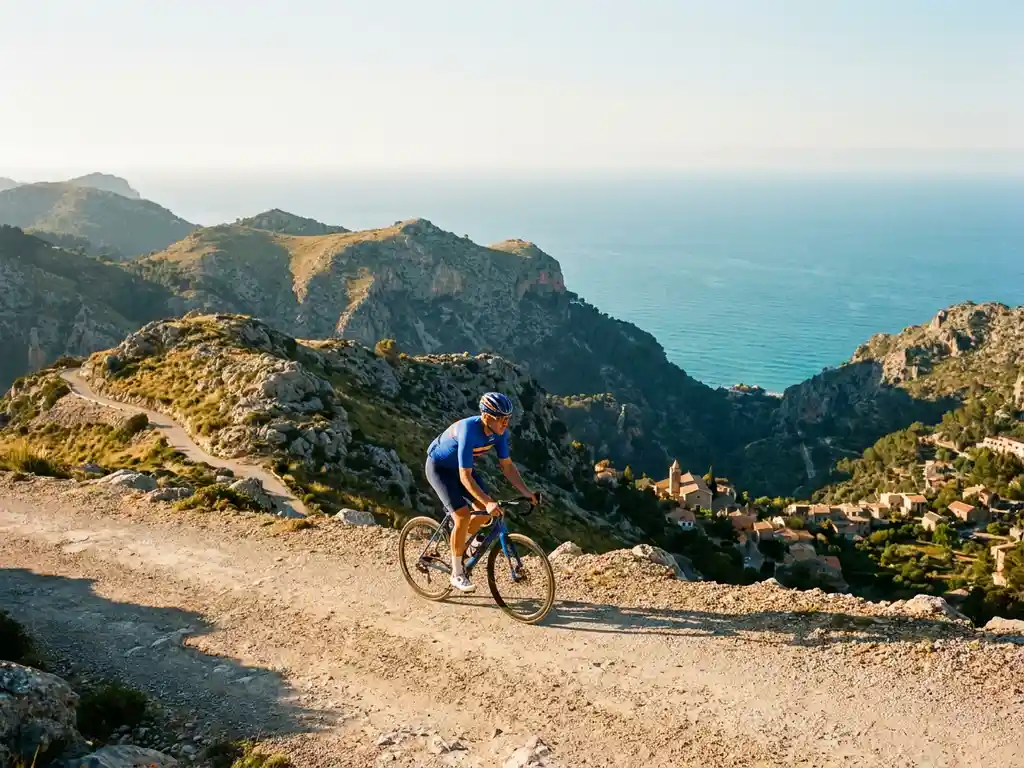
Mallorca stands out as one of Europe’s most versatile cycling destinations precisely because its season stretches from January through November. The island’s mild Mediterranean climate means that even in midwinter, temperatures are warm enough for comfortable riding. This is why professional teams and serious amateur cyclists from across Europe use Mallorca as their winter and early spring training base, building fitness before the European racing season begins.
Mountain destinations: a shorter window
High-altitude destinations like the Alps, Dolomites, and Pyrenees are typically accessible between late May and early October. Before and after this window, iconic climbs like the Col du Galibier or the Stelvio Pass may be closed due to snow. Cyclists planning racefiets vakanties in these regions should target June or September for the best combination of open roads, cooler temperatures, and fewer tourists.
How far in advance should you book a road bike holiday in Europe?
For peak periods, you should book a road bike holiday in Europe at least three to six months in advance. Popular cycling destinations fill up quickly, particularly during spring and autumn shoulder seasons when demand from cycling clubs, training groups, and individual riders peaks simultaneously. Waiting until the last minute significantly limits your choice of hotels, bike availability, and guided ride options.
For sportieve fietsvakanties that include flights, hotel accommodation, and bike rental as part of a complete cycling holiday package, early booking also tends to secure better pricing on flights. Airline fares to destinations like Mallorca rise sharply as departure dates approach, especially during school holiday periods and around major European cycling events. Booking six months out for a spring trip and four to five months out for an autumn trip is a practical rule of thumb for most cyclists.
What are the busiest periods for road cycling holidays in Europe?
The busiest periods for road cycling holidays in Europe are March to April for spring training camps and late September to October for autumn riding. Easter week is consistently one of the most in-demand periods across all southern European cycling destinations, with hotels and bike rental fleets often fully booked weeks or months in advance.
January and February have also grown increasingly busy in Mallorca specifically, driven by professional teams and serious amateur riders seeking warm-weather training during the European winter. If you plan to ride during these months, treat them with the same advance booking discipline as spring. July and August are busy with general tourism but are actually quieter for dedicated cycling groups, as the heat deters many road cyclists from booking performance-focused trips during this window.
Should you choose a spring or autumn cycling holiday?
Both spring and autumn are excellent choices for a road bike holiday, but they suit slightly different goals. Spring is ideal if you want to build fitness early in the season, ride with large groups of fellow cyclists, and enjoy the energy of a destination at peak cycling activity. Autumn suits riders who prefer quieter roads, more settled weather, and a chance to consolidate a full season of training with a challenging final trip.
Spring in destinations like Mallorca brings a genuine buzz. The roads are full of cycling clubs, professional teams completing final preparations, and enthusiastic amateurs. If you thrive on that atmosphere and want to push yourself against strong riders, a March or April fietsvakantie delivers exactly that environment. The landscape is also at its most vivid, with almond blossoms and green hillsides making the riding visually spectacular.
Autumn offers something different. September and October bring slightly lower temperatures than summer, roads that have quietened after the tourist peak, and a particular quality of light that many experienced cyclists describe as the best of the year. For riders who have raced or trained hard through the summer, an autumn trip to a destination like Mallorca provides the perfect combination of reward and challenge before the off-season begins. To find out more about what we offer, visit our about us page.
What’s the best time to cycle iconic climbs like Sa Calobra and Puig Major?
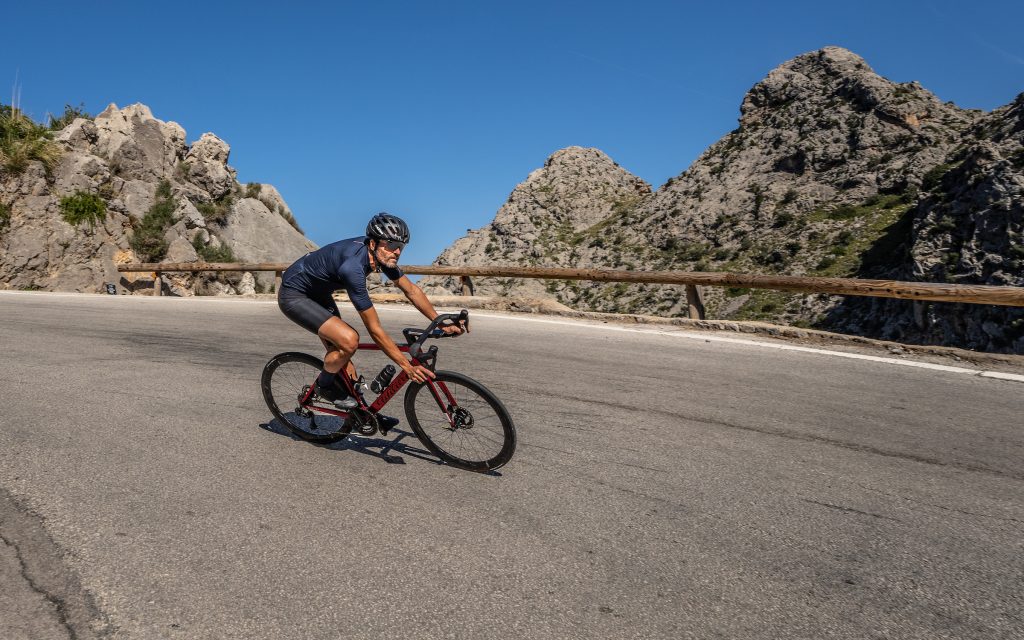
The best time to cycle Sa Calobra and Puig Major is between February and May or September and October. During these months, temperatures on the climb are manageable, road surfaces are in good condition after winter maintenance, and traffic from tourist coaches and motorcycles is lower than in peak summer. These two climbs are among the most demanding and celebrated in European cycling, and timing your visit well makes a significant difference to the experience.
Sa Calobra, with its dramatic descent into the Torrent de Pareis and punishing return climb, is best tackled in the morning during shoulder season when the road is coolest and coach traffic has not yet built up. Puig Major, the highest point on Mallorca, rewards riders with panoramic views across the Serra de Tramuntana and is particularly spectacular in spring when the surrounding landscape is green and clear.
We at Rompelberg Cycling Holidays have guided riders on these climbs for more than 30 years and know exactly when conditions are at their finest. Our Breakaway group rides are specifically designed for competitive and performance-focused cyclists who want to tackle Sa Calobra, Puig Major, and Cap de Formentor at the right time of year, with the right support. If riding these legendary routes is on your list for 2026, spring and early autumn remain the windows we consistently recommend for the best experience. Feel free to reach out via our contact page if you have any questions about planning your trip.