A road bike holiday and a cycling training camp are not the same thing. A road bike holiday prioritises enjoyment, exploration, and flexibility, while a cycling training camp is structured around performance goals, measurable progress, and disciplined daily riding. The key difference lies in intent: one is a cycling-themed break, the other is purposeful athletic preparation. Below, we answer the most common questions cyclists ask before choosing between the two.
Which one is right for your fitness goals?
If your goal is to improve performance, build endurance, or prepare for a race or sportive, a cycling training camp is the better fit. If you want to explore new roads, ride at your own pace, and enjoy the experience of cycling in a beautiful destination, a road bike holiday suits you better. The right choice depends entirely on what you want to achieve by the end of your trip.
Training camps demand commitment. You follow a programme, ride with purpose, and track your output. A sportieve fietsvakantie, by contrast, gives you freedom. You choose your routes, set your own tempo, and enjoy the riding without pressure. Neither is superior, but mixing up the two expectations leads to frustration. Be honest about whether you want to train or travel, and your decision becomes straightforward. If you are still weighing your options, exploring what a dedicated cycling holiday looks like in practice can help clarify which format fits your goals.
What does a cycling training camp actually include?
A cycling training camp typically includes structured daily rides with defined objectives, coaching or guided group sessions, performance-focused route selection, and recovery protocols between efforts. Unlike a general fietsvakantie, the programme is built around a progressive training load rather than sightseeing or leisure. Accommodation, nutrition timing, and rest days are all planned to support athletic output.
In practice, this means your mornings often start with a briefing, your rides have target power zones or climbing goals, and your evenings include recovery rather than exploration. On Mallorca, training camps frequently incorporate iconic climbs like Sa Calobra, Puig Major, and Cap de Formentor, not as bucket-list experiences but as measurable benchmarks for fitness. The environment is built to push you, not pamper you, though quality accommodation and bike support remain essential.
How does the riding experience differ day to day?
On a road bike holiday, each day is largely self-directed. You pick a route, set your pace, and decide how far you ride. On a cycling training camp, each day follows a plan. Routes, distances, intensity levels, and rest intervals are predetermined, and the group rides together with a shared objective rather than individual preference.
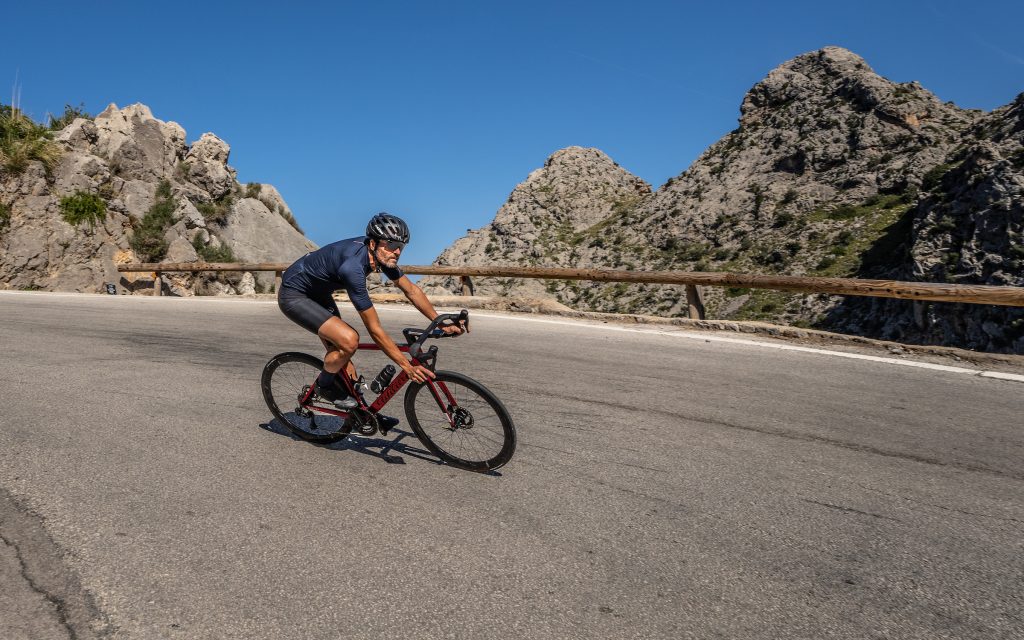
The social dynamic also differs. A holiday group tends to be mixed in ability and motivation, with riders naturally splitting and regrouping throughout the day. A training camp group is usually more homogeneous in fitness level and ambition. On Mallorca, this distinction is visible on the road: holiday riders enjoy the scenery at their own rhythm, while training camp riders are working through intervals on the same climbs. Both experiences are rewarding, but they feel fundamentally different by day three.
What level of cyclist benefits most from a training camp?
Cyclists who benefit most from a training camp are those with a clear performance target, a baseline level of fitness to handle a structured load, and the discipline to follow a programme. This typically means club riders, competitive amateurs, and sportive participants rather than beginners or casual cyclists. A training camp is most effective when you already have a foundation to build on.
That said, intermediate cyclists who want to accelerate their progress can also gain significantly from a structured week. The key is matching the camp’s intensity to your current ability. Arriving underprepared for a high-intensity camp leads to fatigue rather than adaptation. If you are unsure whether your fitness level suits a training camp format, a guided sportieve fietsvakantie with structured group rides is often a smarter starting point. You are also welcome to contact us directly to discuss which option best matches where you are in your training.
Can a cycling holiday include structured training elements?
Yes, a cycling holiday can absolutely include structured training elements without becoming a full training camp. Many cyclists choose a hybrid approach: a flexible fietsvakantie mallorca itinerary that includes guided group rides, challenging climbs, and performance-oriented routes, while still allowing time for recovery, exploration, and enjoyment. This middle ground suits riders who want progression without rigid scheduling.
We offer exactly this kind of flexibility at Rompelberg Cycling Holidays. Our Breakaway group rides are designed for competitive and speed-focused cyclists who want challenging, fast-paced sessions on Mallorca’s best roads, including the legendary climbs that define the island’s reputation. You can combine these with more relaxed days, giving you training stimulus without the full structure of a camp. High-end carbon race bikes from our fleet, including Wilier models like the Filante SLR and Cento10, ensure your equipment matches your ambition regardless of which format you choose. To learn more about the team behind these experiences, visit our about us page.
When is the best time to book a cycling training camp in Mallorca?
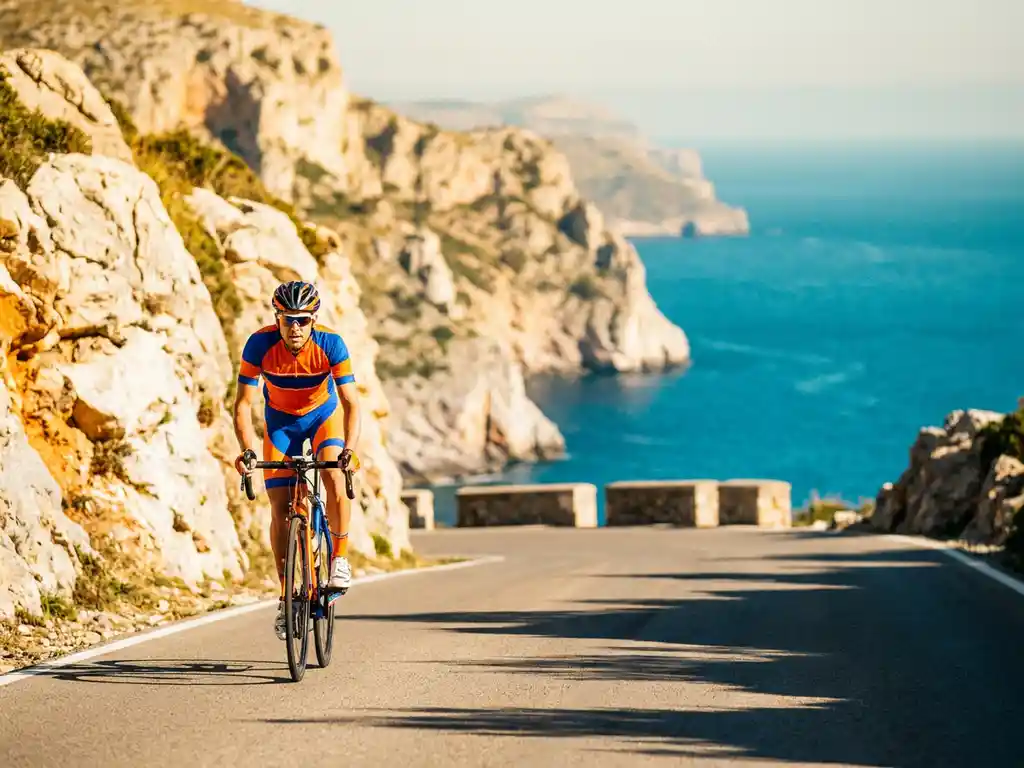
The best time to book a cycling training camp in Mallorca is between February and May, or September and November. These shoulder months offer mild temperatures, quieter roads, and ideal riding conditions for sustained efforts. Spring is particularly popular for pre-season training camps, as cyclists use Mallorca to build race fitness before the European summer calendar begins.
In 2026, demand for structured cycling weeks on Mallorca continues to grow, which means popular dates fill quickly. February and March are especially sought after by club riders and competitive amateurs targeting spring sportives and gran fondos. Booking three to four months in advance is advisable for these peak training periods. Summer months, while beautiful, bring heat that limits high-intensity riding, making them better suited to relaxed racefiets vakanties than structured performance camps. If your goal is genuine training adaptation, the cooler months on Mallorca are where that work gets done most effectively.