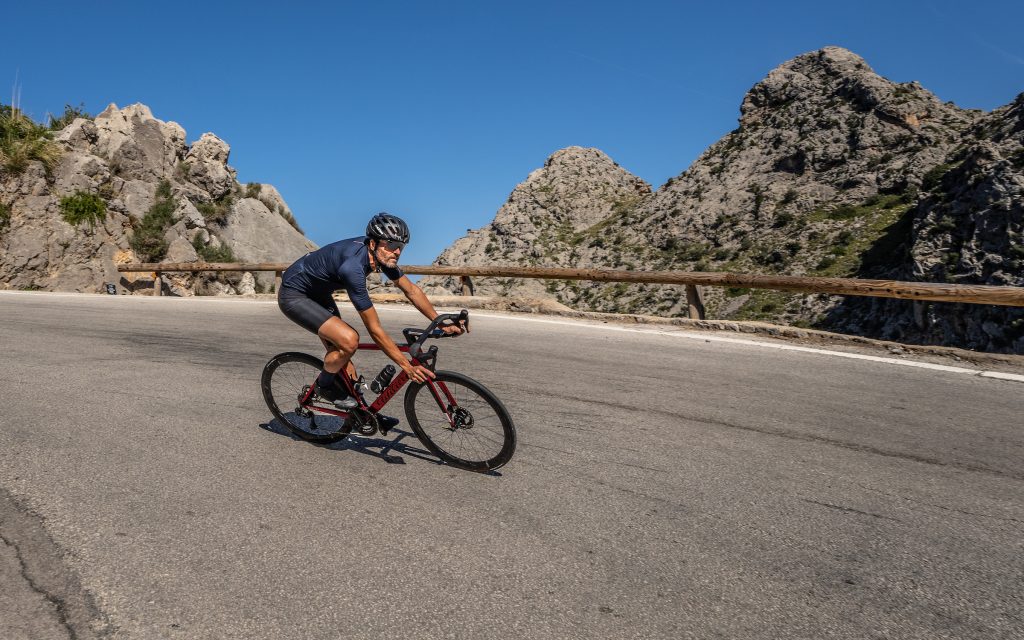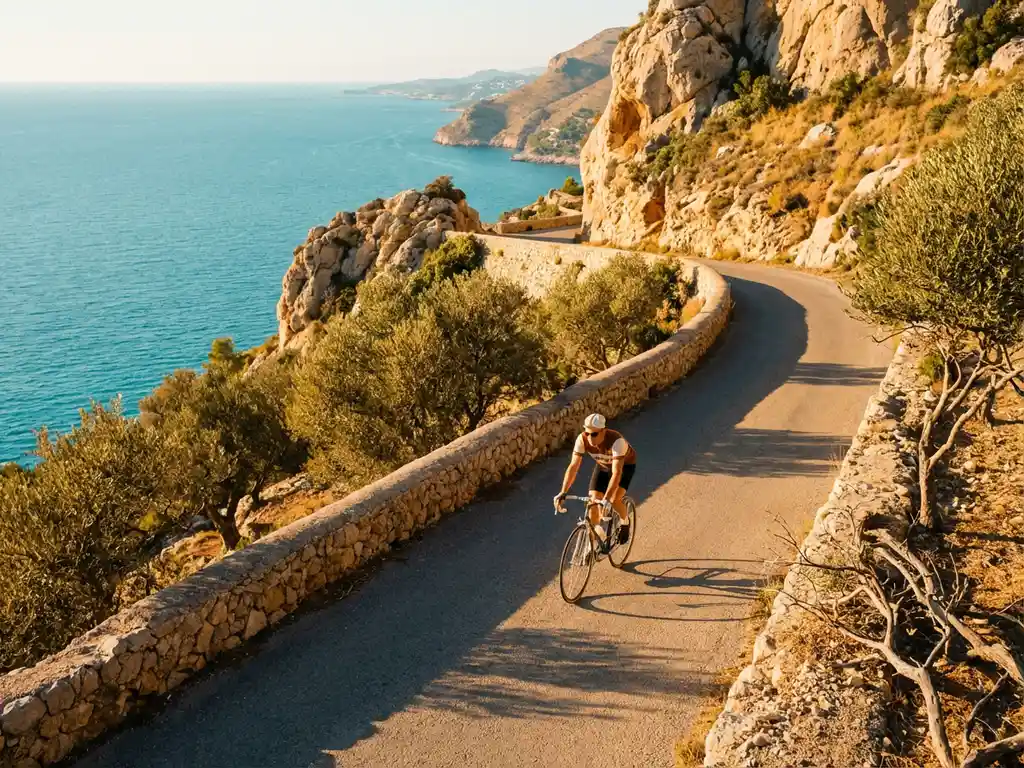
An average cycling vacation typically lasts 5 to 7 days, with many recreational cyclists choosing a week-long stay. Shorter weekend trips of 3-4 days are popular for a first introduction, while extended vacations of 10-14 days offer room for deeper exploration. The ideal duration depends on your fitness level, available time, and the desired intensity of your cycling experience.
What is the average duration of a cycling vacation?
Most recreational cyclists choose a week-long cycling vacation, which amounts to 6 to 8 days including arrival and departure days. This duration provides sufficient time to explore various routes without the vacation becoming too intensive. Weekend trips of 3-4 days are gaining popularity for a quick escape, especially among experienced cyclists who are already familiar with their destination.
For athletic cycling vacations, you often see longer stays of 10-14 days. This duration allows room for alternating between intensive rides and rest days for recovery. Many cyclists combine different activities: from relaxing coastal routes to challenging mountain tours, depending on their preferences and fitness level.
Individual cycling holidays offer more flexibility in duration. You can adjust your stay to your own pace and interests, without having to consider a group program. This makes both short intensive trips and longer relaxed explorations possible.
How many days do you need to properly explore Mallorca by bike?
For a complete exploration of Mallorca, you need at least 7-10 days to experience the main regions and routes. The island offers a varied landscape from flat coastal areas to challenging mountainous regions, which enables different types of cycling activities. A week gives you the chance to discover both the famous climbs and the quiet country roads.
The mild climate makes Mallorca suitable for cycling year-round, although the summer months can be too hot for intensive training. For a relaxed pace where you also have time for local culture and gastronomy, 10-14 days is ideal. This provides room for active recovery days between intensive rides.
Cycling vacations often require more time because you want to experience different terrain types. From the challenging mountain passes in the Serra de Tramuntana to the flat coastal routes – each area requires its own preparation and has its unique charm. Experienced cyclists often plan 2 weeks to experience all the highlights without rush.
Which factors determine how long your cycling vacation should last?
Your fitness level and cycling experience largely determine how many days you need for a satisfying vacation. Beginning cyclists need more rest days between rides, while experienced cyclists can cover longer distances daily. Your objectives also play a role: do you want to relax and enjoy or push your limits?
The available budget also influences your choice. Longer vacations mean more costs for accommodation, meals, and possible additional services. Athletic cycling vacations with guidance and high-quality equipment require different budget planning than independent tours. Learn more about what we offer by visiting our about us page.
Your personal preferences regarding training intensity and recovery are crucial. Some cyclists enjoy short, intensive vacations where every day is utilized for cycling. Others choose longer stays with room for active recovery, local exploration, and social activities. The desired balance between training and recovery determines your ideal vacation duration.
Practical considerations such as work and family obligations often set limits on the possible duration. Many recreational cyclists plan their vacation around available free days and school holidays, which limits options to specific periods and duration.
What are the advantages of shorter versus longer cycling vacations?
Shorter cycling vacations of 3-5 days offer intensive experience in limited time and are perfect for busy people with limited vacation days. They are more budget-friendly and provide less chance of weather setbacks that disrupt your training schedule. The focus is on the highlights of a destination without time for deeper exploration.
The disadvantage of short trips is the limited time to acclimatize to the new environment and equipment. You have less flexibility for spontaneous discoveries and must plan well in advance to get the most out of your time. Recovery between intensive rides is also limited, which can lead to overexertion.
Longer vacations of 10-14 days provide room for deeper exploration and adequate recovery. You can visit different regions, alternate between intensive and recovery rides, and have time to get to know local culture and people. There’s more flexibility for weather conditions and spontaneous plan changes.
The downside of extended vacations is the higher costs and the need for more free days. Also, a long period of intensive cycling can lead to overtraining or injuries if you don’t plan well with sufficient recovery. For some cyclists, a vacation that’s too long becomes less special due to adaptation to the new environment.
The choice between short and long depends on your personal situation, training goals, and preferences. Both have their charm and can lead to unforgettable cycling experiences, provided they’re well-matched to your needs and possibilities.
How Rompelberg helps with planning your perfect cycling vacation
Rompelberg offers the complete solution for planning your ideal cycling vacation, regardless of the desired duration. With our expertise, we ensure that every day is optimally utilized:
• Personalized route planning tailored to your fitness level and available time
• Flexible accommodations for both short weekend trips and extended 2-week vacations
• Professional guidance that takes your pace and preferences into account
• Complete service from bike rental to luggage transport, so you can focus on cycling
Whether you choose an intensive 4-day Mallorca experience or a relaxed 14-day exploration of different regions – Rompelberg makes it possible. Contact us today and let us create your perfect cycling vacation, precisely tailored to your wishes and available time.