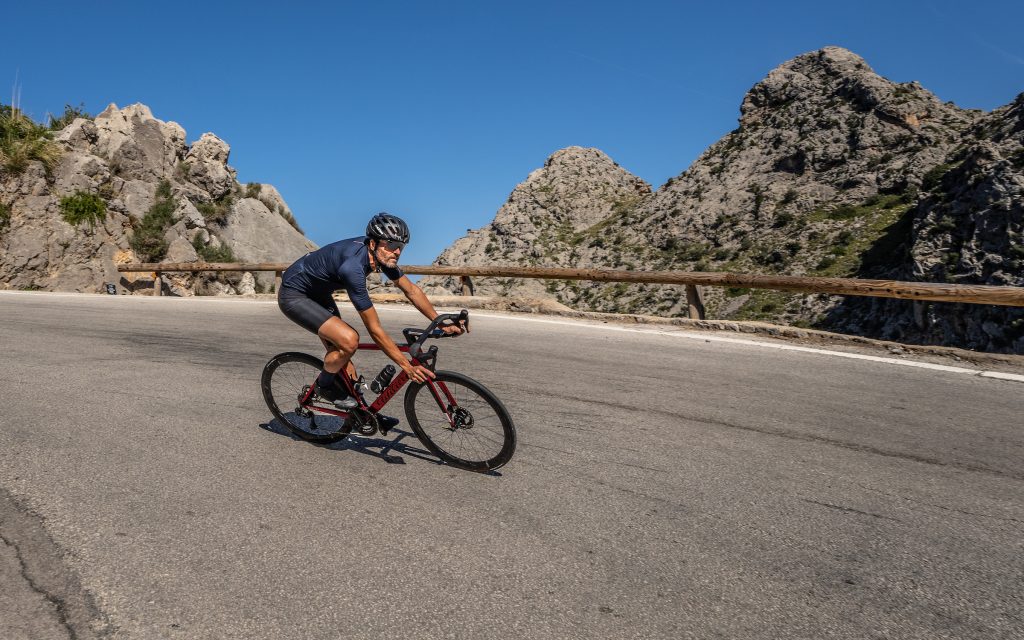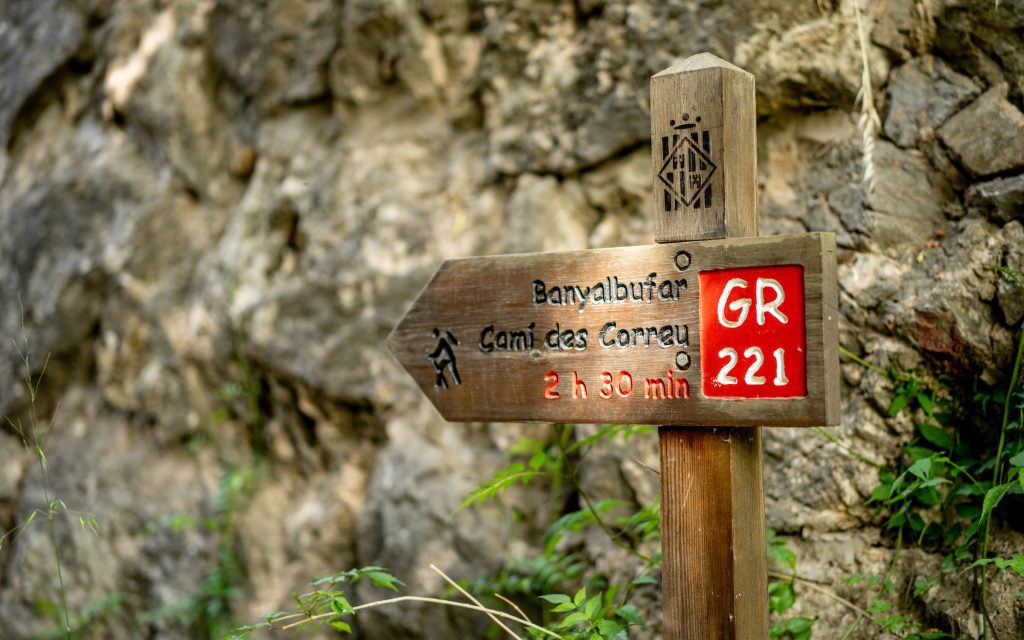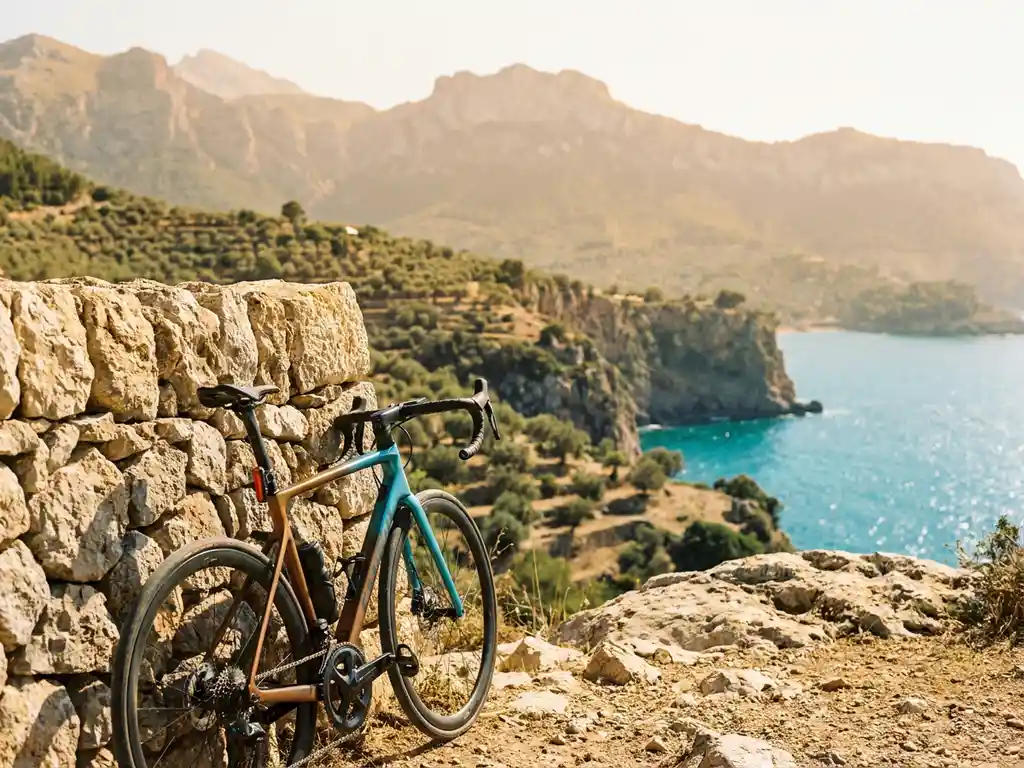
Yes, you can absolutely combine a road bike holiday with sightseeing in Mallorca. The island is compact enough that many of its most iconic landmarks sit directly on or just off the best cycling routes, meaning your ride and your sightseeing often happen at the same time. The sections below cover the routes, planning, and practical details that make this kind of holiday work.
What are the best routes that mix cycling and sightseeing in Mallorca?
The best routes for combining cycling and sightseeing in Mallorca are the Serra de Tramuntana loop, the Cap de Formentor road, and the coastal ride through the southeast towards Cala Pi. These routes pass through historic villages, dramatic coastal viewpoints, and mountain scenery that would justify a visit even without the cycling.
The Serra de Tramuntana is a UNESCO World Heritage mountain range and arguably the most rewarding cycling terrain on the island. Riding through Valldemossa, Deià, and Sóller takes you through some of the most photographed villages in the Balearics. You can stop for a coffee in Sóller’s central square, walk briefly through Deià’s stone streets, and still log serious kilometres before lunch.
The Cap de Formentor road in the north is another standout. The climb to the lighthouse at the tip of the peninsula is challenging, but the views across the bay and down to the turquoise water below are extraordinary. It is the kind of place where stopping at the viewpoint feels like part of the ride rather than a detour from it.
In the southeast, the flatter roads through Es Trenc and along the coast towards Santanyí offer a more relaxed pace. This part of the island suits riders who want to combine cycling with a swim stop or a visit to one of Mallorca’s quieter market towns.
Can you ride Sa Calobra and still have time to explore Mallorca’s villages?
Yes, riding Sa Calobra and exploring Mallorca’s villages in the same week is very manageable. Sa Calobra is a challenging but relatively short climb, and most riders complete the ascent and descent within a half-day. That leaves the afternoon free for the villages of the Tramuntana or a relaxed ride into Sóller.
Sa Calobra is one of the most famous climbs in European cycling. The road descends through a series of tight switchbacks to a cove at sea level, and the return climb is where the real effort happens. Most competitive riders treat it as a dedicated morning effort, starting early to avoid the heat and traffic.
After completing Sa Calobra, many riders continue to Sóller via the Puig Major road. Sóller is a genuine highlight of any cycling holiday. The town has a beautiful central square, an old tram that runs to the port, and enough cafés and restaurants to make a long lunch feel well earned. From Sóller you can also take the mountain road back through Valldemossa, adding another layer of scenery to the day.
Combining Sa Calobra with village exploration works best when you plan the climb for the morning and leave the afternoon unstructured. The villages of the Tramuntana are close enough together that you can drift between them without a fixed itinerary.
How do you plan a week that balances training rides and sightseeing?
The most effective way to plan a week that balances training and sightseeing in Mallorca is to alternate intensity. Schedule your hardest training days, including climbs like Sa Calobra or Puig Major, early in the week, and use the middle and final days for longer but more relaxed rides that pass through villages, markets, and coastal viewpoints.
A practical weekly structure might look like this:
- Day 1: Arrival and an easy spin to get your legs moving and orient yourself on the roads
- Day 2: Hard training day, for example the Sa Calobra and Puig Major combination
- Day 3: Recovery ride through the villages of the Tramuntana, stopping in Valldemossa or Deià
- Day 4: Cap de Formentor, which combines a challenging climb with one of the island’s most dramatic viewpoints
- Day 5: Relaxed coastal ride in the southeast, with a swim stop or market visit
- Day 6: A final longer ride of your choice, or a repeat of a favourite route
- Day 7: Easy spin or rest before departure
If you are unsure how to structure your time on the island, feel free to contact us for advice. We offer a flexible approach to cycling holidays that lets you mix guided group rides with independent days, so you are never locked into a programme that does not suit what you want from the week.
Which parts of Mallorca are best explored by bike rather than by car?
The Serra de Tramuntana, the Cap de Formentor peninsula, and the rural roads of the interior are all significantly better experienced by bike than by car. The roads are narrow, traffic moves slowly in summer, and many of the best viewpoints and village entrances are either inaccessible or impractical for cars.
In the Tramuntana, the road through Deià is a single carriageway with limited parking. By bike you can stop anywhere, lean against a wall, and take in the view without the stress of finding somewhere to leave a vehicle. The same applies to the Formentor road, which has a vehicle restriction during peak hours in summer but remains open to cyclists throughout the day.
The interior of the island, particularly the roads around Sineu, Petra, and the agricultural plains of Es Pla, is another area where cycling reveals things a car journey simply cannot. The pace is slower, the roads are quiet, and you pass through working farmland and small market towns that most visitors never see.
The southeast coast, including the area around Cala Mondragó and the cliffs near Santanyí, also rewards cycling. The access roads to many of the coves are too narrow for comfortable car navigation, but perfectly suited to a bike. To learn more about how we organise rides across all these areas, visit our about us page.
What should you carry on a ride that includes sightseeing stops?
On a ride that includes sightseeing stops in Mallorca, you should carry more water than you think you need, a small amount of cash, a lightweight layer for mountain descents, and a phone with offline maps downloaded. These four things cover the practical gaps that open up when a ride becomes a longer, more varied day out.
Water is the most important consideration. Mallorca is warm for much of the year, and sightseeing stops extend the time you spend in the sun. Many of the mountain villages have public fountains, but you cannot rely on them being accessible or in service. Carrying at least two bottles and knowing where you can refill is a sensible baseline.
Cash matters more than many riders expect. Some of the smaller cafés and village bars in the Tramuntana do not accept cards, and a stop for a coffee or a bocadillo is one of the genuine pleasures of a day like this. A small amount of euros in a jersey pocket solves the problem entirely.
A lightweight gilet or arm warmers are worth packing even on warm days. Descents from the higher mountain roads, particularly after Sa Calobra or Puig Major, can be significantly colder than the temperature at sea level. Stopping to put on a layer takes thirty seconds and makes the descent far more enjoyable.
Finally, offline maps are more useful than a data connection in the mountains, where signal can be patchy. Downloading the relevant area before you leave your hotel means you can navigate confidently even on roads you have not ridden before. For more tips and inspiration on making the most of your time on the island, explore everything Rompelberg has to offer.