As a beginner, you can usually cycle 20 to 40 kilometers per day during cycling holidays, depending on your fitness level and the terrain. It’s wise to start gently with shorter distances and gradually build them up. Factors such as your fitness level, the weather, and the route determine how much you can comfortably cycle without overexertion.
How many kilometers can beginners realistically cycle on their first day?
On your first day as a beginner, it’s best to start with 15 to 25 kilometers to let your body get used to cycling. This distance gives you a good sense of your own limits without immediately overexerting yourself. It’s important to stay realistic and not start too ambitiously.
Your fitness level plays a major role in how much you can cycle. Are you used to exercising regularly? Then you might be able to go a bit further. Haven’t you cycled for a while? Keep it short and choose a flat route. The terrain also makes a big difference: hills and mountains require much more energy than flat roads.
Weather conditions can significantly affect your first day. Wind, heat, or rain make cycling harder than expected. In warm temperatures, you get tired faster, so plan enough breaks. It’s better to feel like doing more after a short, successful first day than to exhaust yourself immediately.
What are the main factors that determine how much you can cycle as a beginner?
Your personal fitness level is the most important factor that determines how many kilometers you can cycle. Additionally, your age, cycling experience, and general health play a major role. External factors such as weather, terrain, and the type of bike also significantly influence your performance.
Personal factors that determine your distance are your cardiovascular fitness and muscle strength. Do you cycle regularly or exercise a lot? Then you probably have more endurance. Your age also matters: younger people often recover faster, but older cyclists often have more experience in assessing their limits.
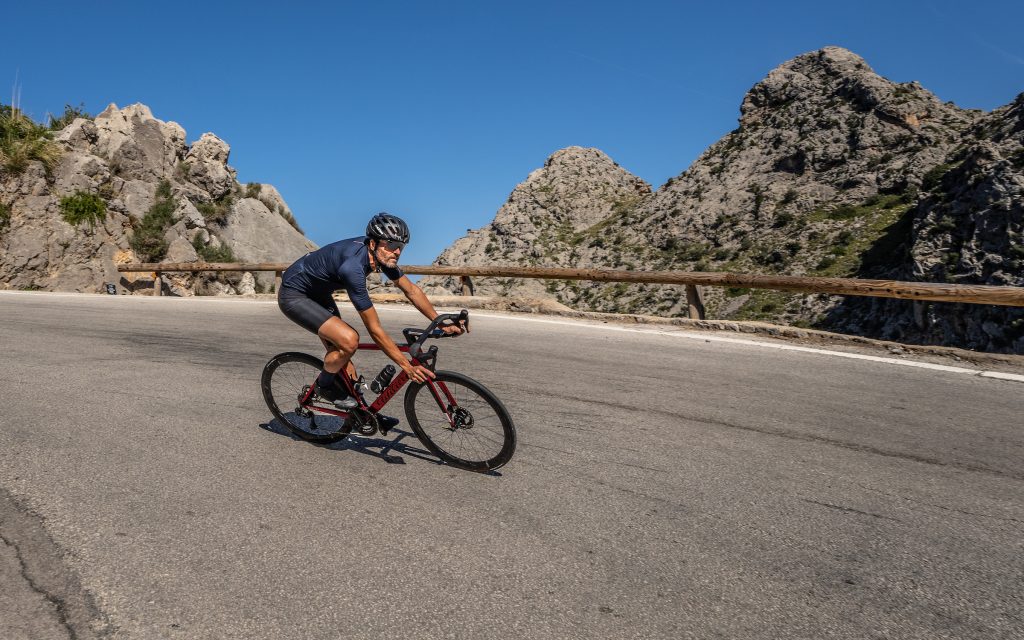
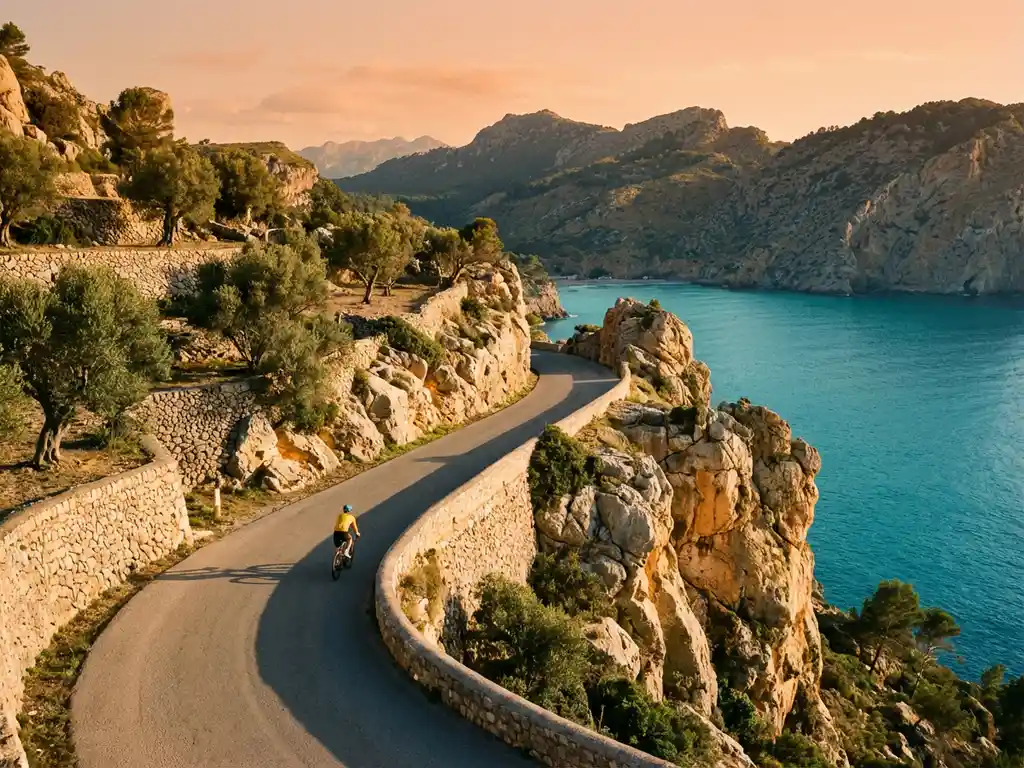
External circumstances can significantly change your plans. Headwinds can halve your speed and quickly drain your energy. Hilly terrain requires much more strength than flat roads, as you can experience in beautiful destinations like Mallorca. A good bike that is properly adjusted makes cycling much easier and more comfortable. On cycling holidays for beginners, you often get access to high-quality rental bikes that are perfectly adjusted to your size, making cycling considerably more pleasant.
How do you gradually build up your cycling distance as a beginner during a holiday?
Start with short distances and gradually increase them by 5 to 10 kilometers per day, depending on how you feel. Plan a rest day or a very light ride every two days to let your muscles recover. Listen carefully to your body and adjust your planning when necessary.
A good building strategy starts with day one 20 kilometers, day two 25 kilometers, day three rest or a short ride of 15 kilometers, and then you slowly build up further. This gradual approach prevents overexertion and ensures you can continue to enjoy cycling every day.
Rest days are essential for beginners. Your muscles need time to recover and become stronger. Consciously plan lighter days or complete rest days. On rest days, you can do other activities, such as walking, swimming, or just relaxing. A professional massage can help with recovery and prepare you for the next ride.
During your cycling holiday, you’ll notice that your fitness improves. What felt difficult at the beginning becomes easier. By the end of your holiday, you can probably cycle much further than you initially thought possible. This natural building process makes cycling holidays so satisfying for beginners.
What signs indicate that you’re cycling too far or too hard as a beginner?
You recognize overexertion by extreme fatigue, muscle pain that doesn’t go away and the feeling that you can’t cycle the next day. Shortness of breath, dizziness, or pain in your knees and back are also warning signals that you should stop and rest.
Physical signs of overexertion are clearly noticeable. Your legs feel heavy, your heart beats too fast, and you have trouble catching your breath during breaks. Muscle cramps, stiff joints the next morning, and general exhaustion are signs that you’ve done too much. Headaches and nausea can also indicate overexertion.
Mental signals are just as important. Are you losing the enjoyment in cycling? Do you feel stressed about the distance you still have to cover? Then it’s time to slow down. Cycling should remain fun, especially during your holiday. Frustration and anxiety about the next ride are clear signs that your pace is too high.
Prevention is always better than cure. Plan shorter rides than you think you can handle, take regular breaks, and drink enough water. Eat enough and choose routes that match your level. When in doubt, it’s always better to take a day of rest than to overexert yourself and ruin the rest of your holiday.
A successful cycling holiday for beginners is about finding the right balance between challenge and enjoyment. By starting gently, gradually building up, and listening carefully to your body, you can enjoy beautiful cycling tours without overexerting yourself. Don’t forget that every cyclist is different: what works for one person may not be suitable for you. The most important thing is that you have fun and make beautiful memories of your cycling holiday. Many experienced cycling tour operators like Rompelberg understand these challenges and can provide expert guidance for beginners. For more information about planning your ideal cycling holiday, you can always make contact for personal advice.