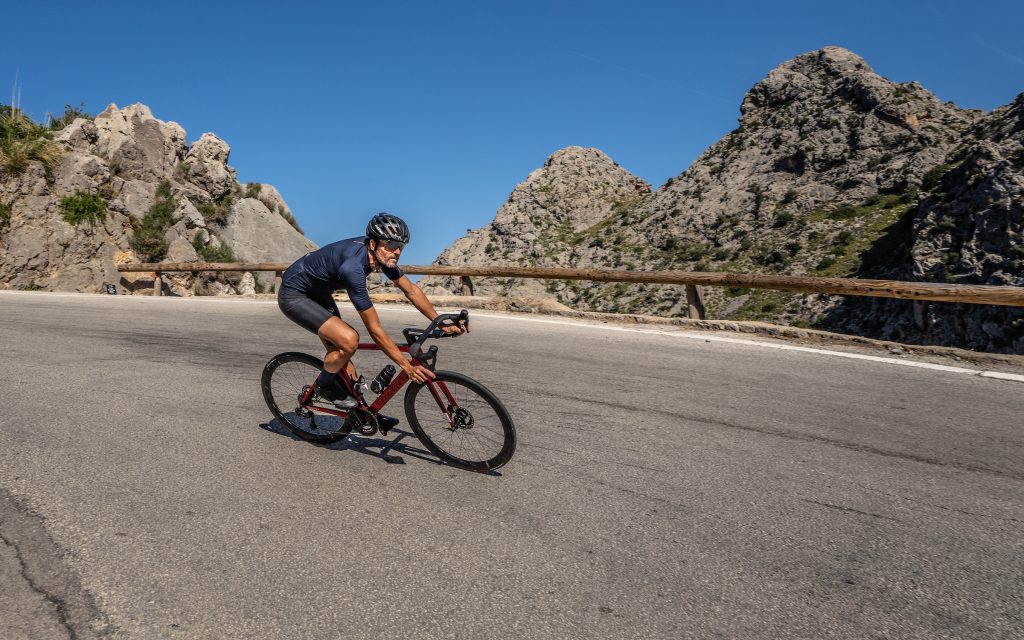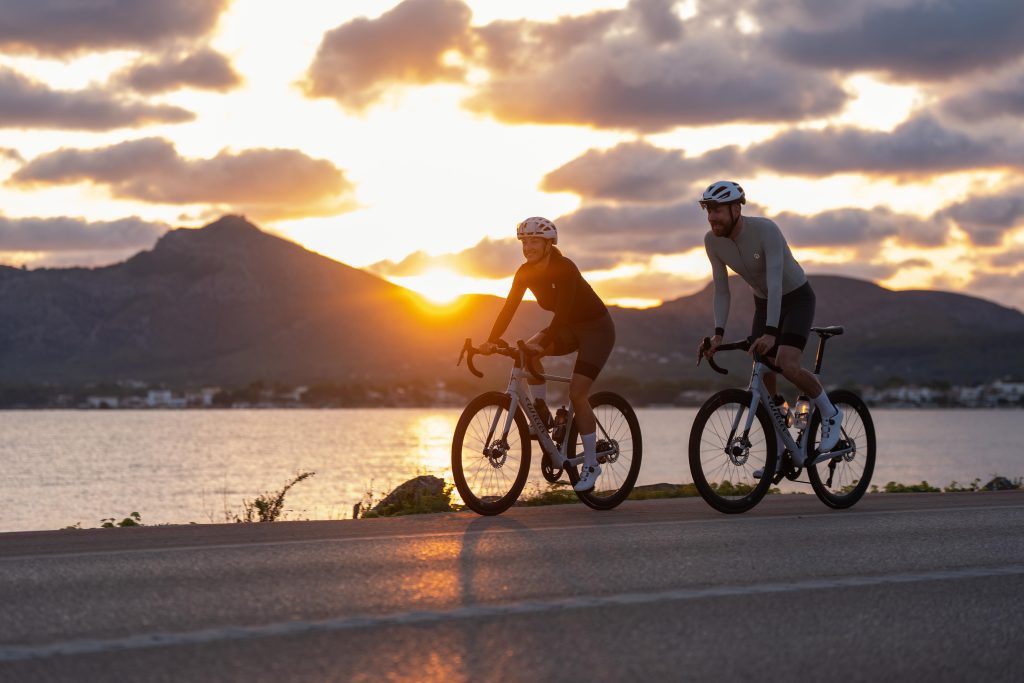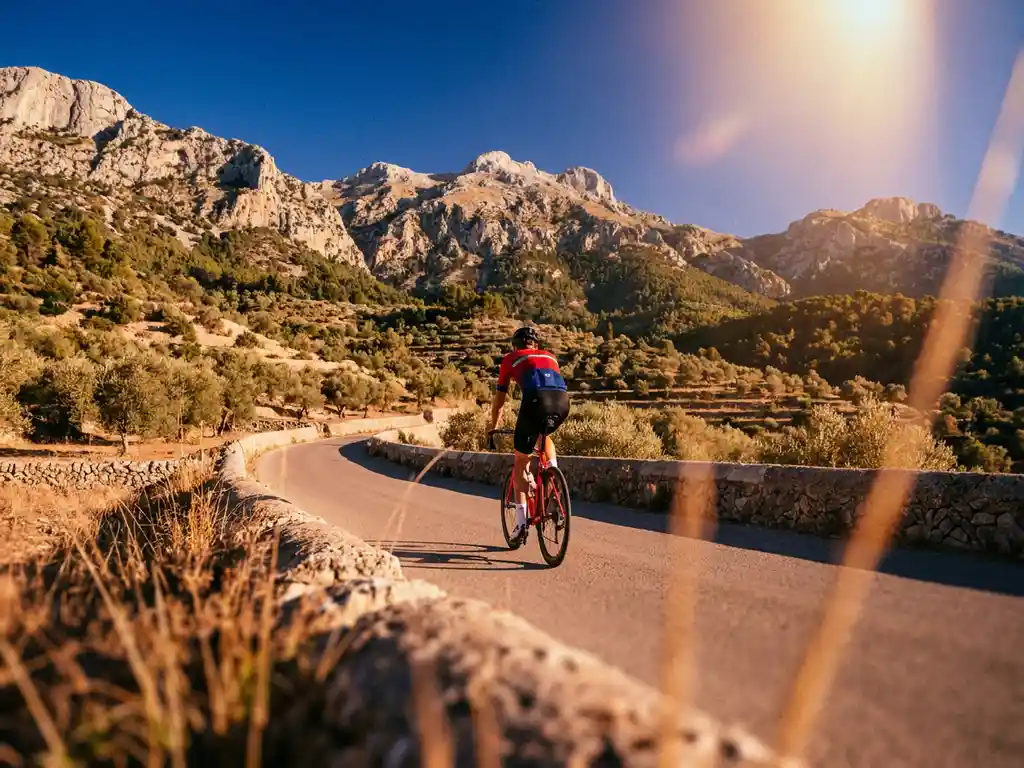
To cycle safely in Mallorca, you need a solid grasp of gear shifting, controlled braking, and basic cornering technique. These three skills matter most because the island’s terrain combines long climbs, steep descents, and winding mountain roads. The good news is that recreational cyclists with moderate experience can handle most of Mallorca’s popular routes without advanced technical training, provided they ride within their limits and prepare sensibly. Below, we answer the most common questions cyclists ask before heading to the island.
What terrain challenges should cyclists expect on Mallorca?
Mallorca’s terrain ranges from flat coastal roads to demanding mountain passes in the Serra de Tramuntana. Most cyclists will encounter a mix of steady climbs, fast descents, and tight bends on narrow roads. The island is not uniformly hilly, but even routes marketed as easy often include short, sharp climbs that catch unprepared riders off guard.
The north and west of the island are significantly more demanding than the flat southeast. Iconic climbs like Sa Calobra and the Coll de Soller attract experienced cyclists from across Europe, while the coastal plains around Playa de Palma and Playa de Muro offer gentler riding that suits a wider range of fitness levels. Understanding which part of the island you are riding in helps you match the route to your actual skill level rather than being surprised by what you find.
Road surfaces on Mallorca are generally excellent, but mountain roads can be narrow, with little margin for error on the outside of bends. Traffic is usually light on popular cycling routes, especially in the early morning, which is when most cyclists choose to ride. Knowing what the terrain demands before you set off is the first step toward cycling safely in Mallorca.
What gear-shifting skills do you need for Mallorca’s climbs?
For Mallorca’s climbs, the key gear-shifting skill is anticipation. You need to shift to an easier gear before the gradient steepens, not after your cadence has already dropped. Waiting too long forces you to shift under load, which stresses the drivetrain and can cause the chain to slip or drop, especially on steep sections.
On longer climbs, maintaining a steady cadence of around 70 to 90 revolutions per minute is more sustainable than grinding a big gear slowly. If you feel your knees starting to push rather than spin, that is a clear signal to shift down. Many recreational cyclists make the mistake of starting a climb in too high a gear because the first section feels manageable, only to run out of gears halfway up when the road tilts sharply.
Before your trip, spend time on hilly roads at home practicing smooth, timely shifts. If you are renting a bike, ask about the gearing options available. A compact chainset or a wide-range cassette makes a genuine difference on climbs like those found on the Mallorca cycling climbs, and choosing the right setup before you ride saves a lot of discomfort on the road.
How do you brake safely on steep Mallorca descents?
On steep Mallorca descents, safe braking means using both brakes progressively and consistently rather than grabbing either lever sharply. Apply the rear brake slightly before the front to stabilize the bike, then add front brake pressure to control speed. Avoid riding with constant brake pressure, which overheats the rims or disc rotors and reduces stopping power when you need it most.
The most common mistake on descents is braking into a corner rather than before it. Slow down to a comfortable speed before the bend begins, then release the brakes and let the bike flow through the turn. Braking mid-corner while leaning reduces traction and makes the bike harder to control.
On long descents, take a short pause at a safe spot to let your brakes cool if you notice reduced stopping power or a burning smell. This is especially relevant on the longer mountain descents in the Tramuntana range. Keeping your weight back and slightly off the saddle on steep sections also helps stability and gives you more control over the front wheel.
What cornering technique matters most on mountain roads?
The most important cornering technique on Mallorca’s mountain roads is looking through the corner, not at the road immediately in front of your wheel. Where your eyes go, your bike follows. Fixing your gaze on the exit of the bend naturally guides your line and helps you judge speed and lean angle more accurately.
Beyond vision, the key principles are entering wide, hitting the apex, and exiting wide. This line smooths out the curve and reduces the lean angle required, which keeps more tyre in contact with the road. On narrow mountain roads, you need to stay within your lane, but the same principle of a smooth, considered line still applies within that constraint.
Avoid crossing your hands or tensing your grip through corners. Relaxed arms absorb road imperfections and allow the bike to track more naturally. If a corner tightens unexpectedly, resist the urge to brake hard. Instead, look further around the bend, push gently on the inside handlebar, and trust the tyre grip. Practicing these habits on familiar roads before you arrive in Mallorca makes them instinctive when the stakes are higher.
Do recreational cyclists need advanced skills to enjoy Mallorca?
No, recreational cyclists do not need advanced technical skills to enjoy Mallorca. The island offers an enormous variety of routes, and many of them are well within reach of anyone who cycles regularly at home. Flat coastal roads, gently rolling inland routes, and well-signposted cycling paths give less experienced riders plenty of excellent options without venturing into challenging mountain terrain.
The key is honest route selection. Choosing rides that match your current fitness and skill level means you spend your time enjoying the scenery rather than managing anxiety on roads that exceed your comfort zone. Our guided group rides are designed with exactly this in mind. The Easy Riders group, for example, covers 50 to 60 kilometres at around 20 kilometres per hour, a pace that allows riders to take in the surroundings, stop for coffee, and finish feeling energised rather than exhausted.
Riding with a guide also removes the navigation burden and provides reassurance on unfamiliar roads. For cyclists who want to build confidence gradually, starting with a guided ride before heading out independently is a practical and enjoyable way to get to know the island.
How can you prepare your cycling skills before arriving in Mallorca?
The most effective preparation for cycling in Mallorca is spending time on hilly roads in your home country before you travel. Focus specifically on practicing gear shifts on climbs, controlled braking on descents, and smooth cornering. Even a handful of dedicated sessions on varied terrain will build the muscle memory and confidence that translates directly to riding safely in Mallorca.
Build fitness and technical habits together
Fitness and technique are equally important. Arriving with a reasonable aerobic base means you are less likely to fatigue on climbs, which is when technical mistakes most often happen. Tired cyclists shift too late, brake too hard, and tense up in corners. Building endurance through regular rides in the weeks before your trip reduces that risk significantly.
Check your equipment before you go
Equipment preparation matters too. If you are bringing your own bike, have it serviced before travel. Check brake pads, cable tension, and tyre condition. If you are renting, communicate your riding style and preferred gearing to the rental provider in advance so the bike is set up correctly when you arrive. A well-fitted, properly maintained bike is a genuine safety asset on mountain roads.
If you have specific questions about route difficulty, bike setup, or what skill level suits which rides, feel free to get in touch with us before your trip. We are happy to help you plan a Mallorca cycling holiday that matches exactly what you are looking for.