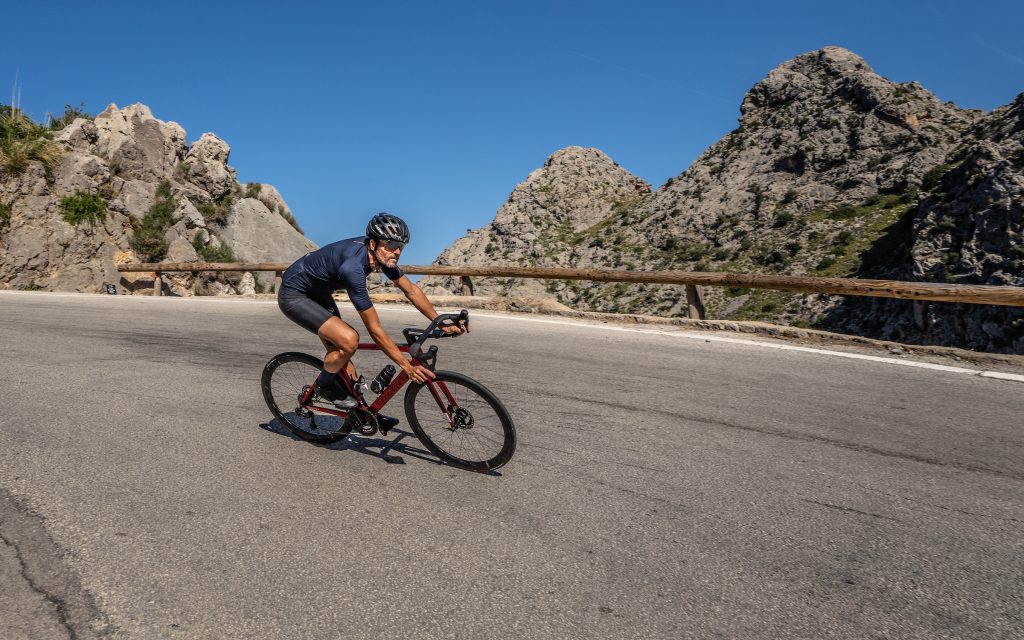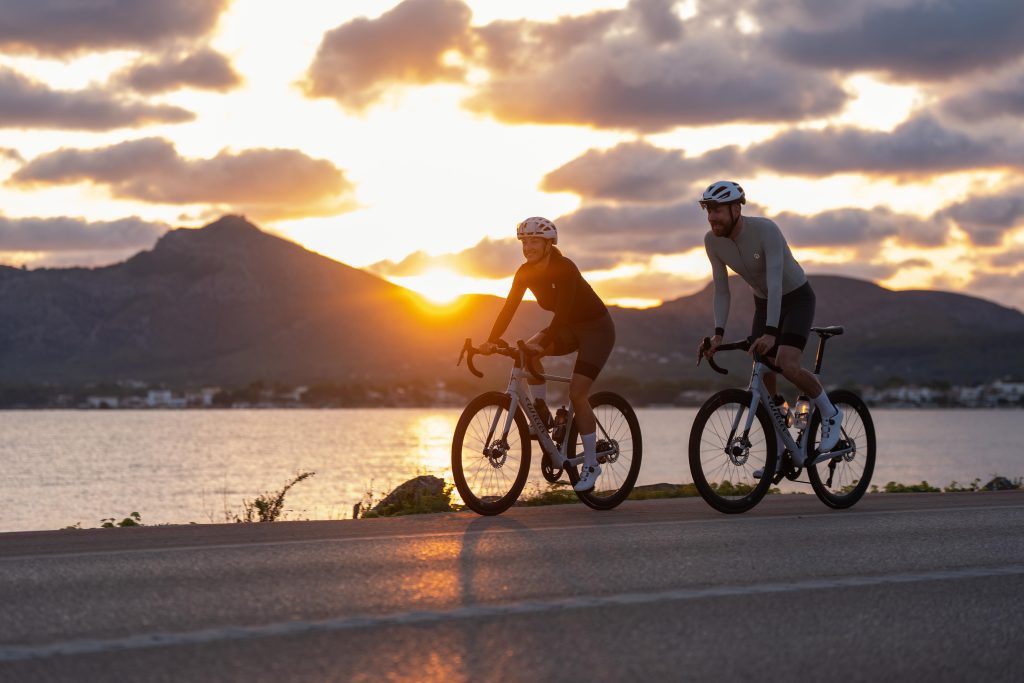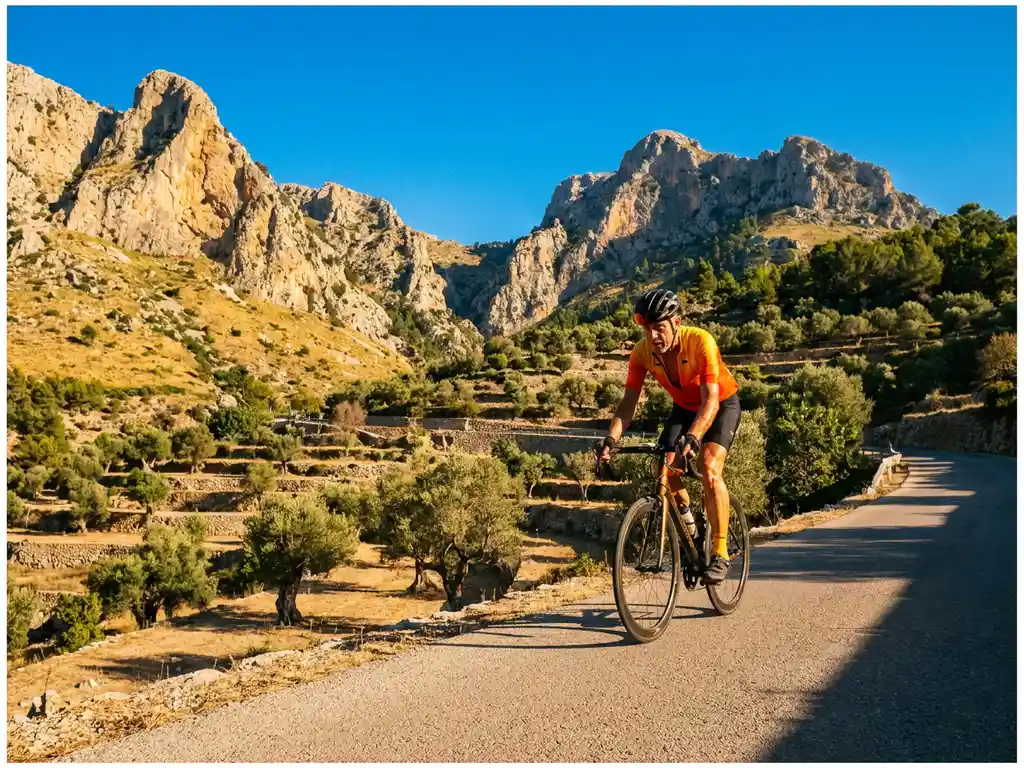
Mallorca is the better island for most cyclists, offering more varied terrain, a more developed cycling infrastructure, and a longer-established reputation as Europe’s premier cycling destination. Tenerife suits climbers and high-altitude training enthusiasts, but for a well-rounded cycling holiday with route variety, comfort, and community, Mallorca has the edge. Below, we break down the key differences across terrain, climate, infrastructure, and timing to help you decide.
Which island has better cycling routes — Mallorca or Tenerife?
Mallorca has better overall cycling routes for the majority of riders. The island offers an exceptional mix of coastal roads, rolling countryside, and mountain passes through the Serra de Tramuntana, giving cyclists of every level something memorable to ride. Tenerife’s routes are dominated by volcanic climbs, which are spectacular but less varied in character.
On Mallorca, you can string together a morning of coastal riding along the bay of Alcúdia, a midday climb through pine-scented mountain roads, and a relaxed afternoon spin through almond groves, all without retracing your route. The island’s road network is well-suited to cycling, with quiet back roads connecting charming villages and dramatic viewpoints at every turn.
Tenerife’s standout route is the ascent of Mount Teide, rising above 2,000 metres through lunar landscapes. It is a genuinely impressive climb and a bucket-list experience for serious climbers. However, outside of Teide and a handful of other notable ascents, the route variety on Tenerife is more limited, and the roads can be busier and less cyclist-friendly in the coastal resort areas.
For recreational riders who want beautiful scenery, manageable gradients, and the freedom to explore at their own pace, Mallorca’s iconic cycling climbs and surrounding roads offer a richer overall experience.
How does the climate affect cycling on each island?
Both islands enjoy mild, sunny climates that make year-round cycling possible, but they differ in important ways. Mallorca has a classic Mediterranean climate with warm, dry summers and mild winters, while Tenerife’s climate varies dramatically by altitude and by side of the island, which directly affects where and when you can comfortably ride.
On Mallorca, temperatures between October and May are ideal for cycling, typically ranging from 14°C to 24°C. Summers are hot, particularly inland, but early morning rides remain enjoyable even in July and August. The island’s weather is generally predictable and consistent, which makes planning a cycling holiday straightforward.
Tenerife’s south is dry and warm almost year-round, but the north can be cloudier and wetter, especially in winter. At altitude near Teide, temperatures drop sharply and conditions can change quickly. Cyclists heading up the volcano need to prepare for cold descents regardless of the season. This variability adds a layer of complexity that recreational riders may not want to manage.
What level of cyclist is each island best suited for?
Mallorca suits cyclists of all levels, from beginners to seasoned club riders. Tenerife is better suited to experienced cyclists who are comfortable with long, sustained climbs and high-altitude riding. The difference in terrain makes each island naturally appealing to a different type of rider.
On Mallorca, a complete beginner can enjoy a flat, scenic ride along the bay while a competitive cyclist tackles the famous Sa Calobra or Puig Major on the same day. This range is rare and genuinely valuable. The island has built its cycling culture around welcoming riders of every ability, and that inclusive spirit shows in everything from the route options to the café stops along the way.
Tenerife rewards those who specifically want to challenge themselves on big mountain roads. The climbs are long and relentless, and the island’s appeal is closely tied to that singular experience. Recreational riders who prefer gentler terrain and more varied scenery may find Tenerife’s options frustrating rather than inspiring.
We organise guided group rides on Mallorca across five different levels, including our Easy Riders rides of 50 to 60 kilometres at a relaxed pace, making it easy for riders of any ability to find their perfect group and enjoy the island at their own rhythm.
How does cycling infrastructure compare between Mallorca and Tenerife?
Mallorca has significantly better cycling infrastructure than Tenerife. The island has invested heavily in cyclist-friendly roads, dedicated bike lanes in key areas, and a thriving ecosystem of cycling hotels, bike shops, and support services that Tenerife has not yet matched at the same scale.
Mallorca is home to hundreds of cycling-focused hotels, many of which offer secure bike storage, on-site mechanics, and early breakfast options timed around morning rides. The island’s roads are well-maintained and widely recognised by professional teams and amateur riders alike as some of the best cycling roads in Europe. Bike rental operations, guided tour companies, and cycling cafés are plentiful across the island.
Tenerife has improved its cycling offer in recent years, particularly around the Teide National Park, where the roads used for professional training camps are in excellent condition. However, outside of those specific areas, the broader infrastructure for everyday cycling tourism is less developed. Finding quality bike hire, mechanical support, or cycling-specific accommodation is more hit-and-miss compared to Mallorca.
When is the best time to cycle in Mallorca versus Tenerife?
The best time to cycle in Mallorca is from February to May and from September to November. For Tenerife, the most popular cycling window is November to March, when the island serves as a warm-weather training escape for northern European cyclists. The two islands actually complement each other seasonally rather than compete directly.
Mallorca’s spring season, particularly March and April, is widely considered the finest time to ride. The roads are busy with professional teams and cycling enthusiasts, the almond blossoms are in bloom, and temperatures are perfect for long days in the saddle. Autumn offers similar conditions with fewer crowds.
Tenerife draws cyclists primarily in winter because its southern climate stays warm and dry when the rest of Europe is cold and wet. For riders who want to maintain fitness through the winter months, Tenerife’s altitude and reliable sunshine make it a practical training destination. For a holiday experience centred on enjoyment, scenery, and variety, Mallorca in spring or autumn is the stronger choice.
Should you choose Mallorca or Tenerife for a cycling holiday?
Choose Mallorca if you want a well-rounded cycling holiday with varied routes, excellent infrastructure, and a welcoming atmosphere for riders of all levels. Choose Tenerife if your primary goal is high-altitude climbing or winter training. For most recreational cyclists, Mallorca is the clear winner.
Mallorca has spent decades building a cycling culture that goes beyond the roads themselves. The combination of stunning mountain passes, coastal scenery, charming villages, and a warm, sociable atmosphere makes a cycling holiday here about far more than the kilometres covered. It is about the coffee stops, the views, the camaraderie, and the feeling of riding somewhere genuinely special.
Tenerife offers a more singular experience. If climbing Teide is on your bucket list or you need a warm base for structured winter training, it delivers on those specific goals. But for flexibility, variety, and the kind of holiday that leaves you already planning your return, Mallorca is hard to beat.
If you are ready to start planning your cycling holiday on Mallorca, get in touch with us and we will help you put together the perfect trip for your level and goals.