For a relaxed cycling day on Mallorca, routes such as the climb to Puig de Randa, the ascent of the Coll de Sa Batalla, or the road toward Lluc through the inland areas are the most suitable. These climbs combine beautiful landscapes with manageable gradients and are ideal for recreational cyclists or anyone looking to include an active recovery day. In this article, we answer the most frequently asked questions about relaxed climbing on Mallorca.
What factors make a climbing route suitable for a relaxed cycling day?
A climbing route is suitable for a relaxed cycling day when the average gradient stays below six percent, the total elevation gain is limited, and the route sees little heavy traffic. In addition, the length of the climb, the quality of the road surface, and the availability of rest stops along the way play an important role in the overall experience.
Specifically, these are the factors to consider when choosing a relaxed climbing route:
- Gradient: routes with an average gradient between three and six percent are comfortable for most cyclists
- Total elevation gain: a relaxed climbing day preferably includes less than 800 meters of elevation in total
- Climb length: short to medium climbs of two to eight kilometers provide sufficient challenge without destroying your legs
- Traffic levels: quiet provincial roads or back roads are more pleasant and safer than busy tourist routes
- Shade and rest stops: a small village or café halfway through makes a climbing day more enjoyable and allows time for recovery
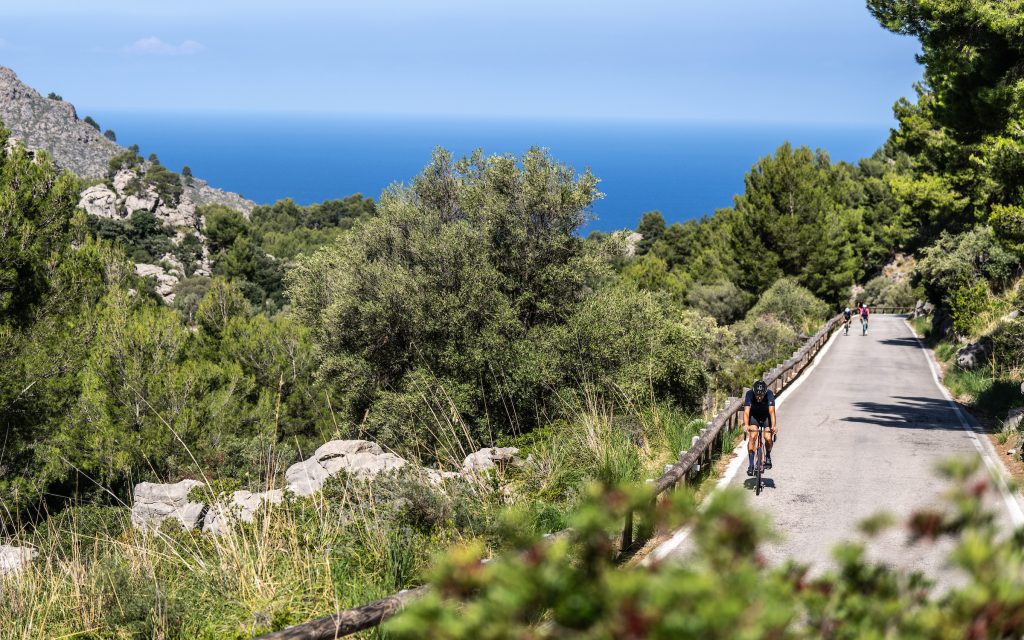
Anyone familiar with Mallorca knows that the island offers a wide variety of climbing profiles. Not every ascent has to be an epic challenge. It is precisely the quieter routes that give you the chance to take in the landscape and enjoy Mallorca’s natural scenery without completely emptying your legs.
Which climbing routes on Mallorca are most suitable for recreational cyclists?
The most suitable climbing routes for recreational cyclists on Mallorca are Puig de Randa, the Coll de Sa Batalla, and the ascent toward the monastery of Lluc via the inland roads. These routes offer beautiful views and a sense of satisfaction without extreme gradients or dangerously narrow roads.
Puig de Randa
Puig de Randa is one of the most accessible climbs on the island. The route leads up to a monastery at the summit and is approximately seven kilometers long with an average gradient of around five percent. The road surface is good, there is little traffic, and the view over the plain of Mallorca is impressive. A perfect choice for anyone climbing on the island for the first time.
Coll de Sa Batalla
The Coll de Sa Batalla is a slightly more challenging but still accessible mountain pass in the interior of Mallorca. The climb is varied, with alternating sections and beautiful views over the green inland landscape. Because this route is less well known among tourists, traffic here is quiet and you can truly enjoy the silence of the island.
Lluc via the inland roads
The road to the monastery of Lluc via the inland roads is an excellent option for cyclists who want a longer but moderate ride. The route is varied, with plenty of alternation between flat and gently rolling terrain. In the village of Lluc itself, you can stop for a drink and enjoy the surroundings before beginning the descent.
How does a relaxed climbing route differ from routes like Sa Calobra or Puig Major?
A relaxed climbing route on Mallorca differs fundamentally from Sa Calobra or Puig Major in terms of gradient, length, and technical difficulty. Sa Calobra and Puig Major are legendary ascents with steep sections of eight to twelve percent, long approach sections, and a total elevation gain that puts even experienced cyclists’ legs to the test.
For comparison:
- Sa Calobra: approximately nine kilometers, average gradient of seven percent, with peaks above ten percent. Technically demanding and heavily visited
- Puig Major: the highest mountain on Mallorca, with long approach sections and gradients that regularly exceed eight percent
- Relaxed climbing routes: average three to six percent, shorter total distance, less elevation gain, and a more relaxed riding experience
This does not mean that relaxed climbing routes are boring. On the contrary, they offer the space to ride mindfully, find the pace that suits you, and enjoy the Mallorcan landscape without constantly riding in the red. For beginners or cyclists including a recovery day, these routes are the ideal choice.
When is the best time to climb at a relaxed pace on Mallorca?
The best time to climb at a relaxed pace on Mallorca is in the early morning, preferably before ten o’clock. The temperature is pleasant, traffic is minimal, and you largely have the roads to yourself. In spring and autumn, conditions are most ideal for a comfortable climbing day.
Regarding the season, the following applies:
- March to May: excellent conditions with mild temperatures between fifteen and twenty degrees, little heat, and fresh air in the mountains
- September and October: after the summer heat, pleasant cycling temperatures return and the roads are less busy than during peak season
- Summer (June to August): setting off early is essential, as afternoon temperatures can rise above thirty degrees, making climbing harder than necessary
- Winter (November to February): possible for the more adventurous cyclist, but cold and sometimes rainy in the mountains
For anyone planning a cycling holiday on Mallorca in 2026, April and October are the absolute top months for a relaxed climbing day. The combination of good weather, fewer tourists, and perfect riding conditions makes these periods particularly attractive.
What type of bike is most suitable for a relaxed climbing day on Mallorca?
For a relaxed climbing day on Mallorca, a lightweight road bike or endurance road bike is most suitable. A bike with a compact chainset, multiple gears, and a light frame makes the climbs more comfortable and less tiring, even for cyclists who are less trained or riding a recovery ride.
What to look for when choosing a bike:
- Weight: a lighter bike climbs more easily. Carbon frames are ideal, but a good aluminum frame also works perfectly well for relaxed climbing routes
- Gear range: make sure you have a compact or even triple chainset so you can maintain a comfortable cadence even on steeper sections
- Riding position: an endurance geometry is more comfortable over longer distances than an aggressive race position
- Tires: wider tires of 28 to 32 millimeters provide more grip and comfort on Mallorcan roads
How Rompelberg Cycling Holidays helps with your climbing day on Mallorca
We understand that not every cycling day needs to be an epic challenge. Whether you are climbing on Mallorca for the first time or deliberately choosing a relaxed day in the saddle, we make sure everything is ready so you can fully focus on the ride.
What we arrange for you:
- High-quality rental bikes tailored to your level and the planned route, including the right gearing for comfortable climbing
- Personal route advice from experienced cyclists who know the roads of Mallorca inside out
- Complete cycling packages including flight, hotel, and bike, so you can enjoy your holiday without any hassle
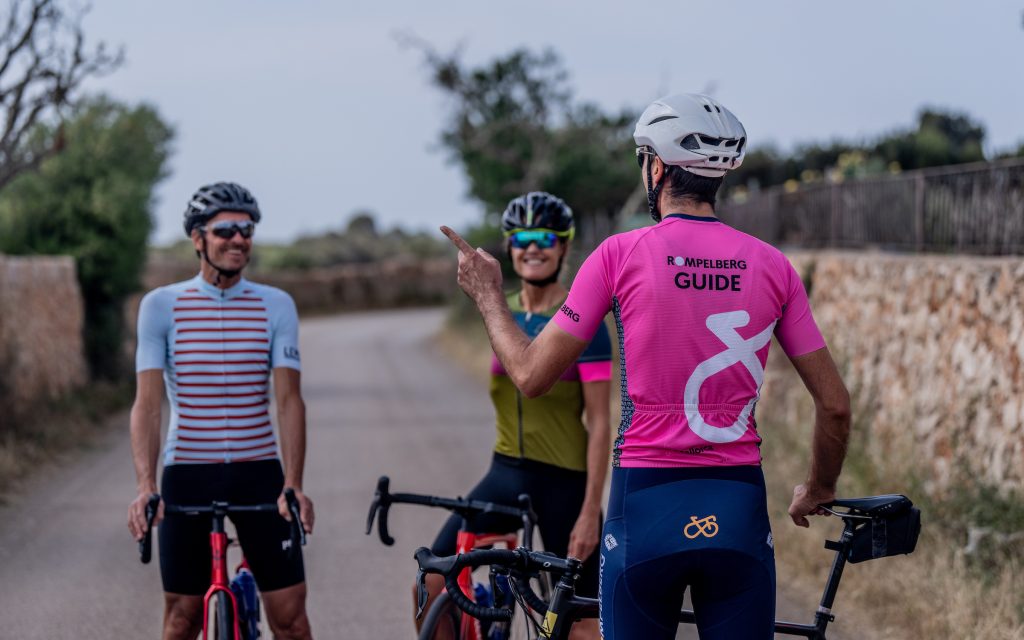
- Guided group rides for every level, from relaxed tours to more challenging climbs on Mallorca
- Flexible options for those who prefer to ride independently and put together their own program
Would you like to know which climbing route best suits your level and how we can make your cycling holiday complete? Contact us and we will be happy to help.