On Mallorca, you can ride several impressive climb routes in one day, depending on your fitness and ambition. The most well-known are Sa Calobra, Puig Major, and Cap de Formentor, each with its own character and level of challenge. In this article, we answer the most frequently asked questions about climbing on Mallorca, so you can plan your day to perfection.
Which climb routes are achievable in one day?
On Mallorca, multiple climb routes can easily be combined in one day, provided your fitness is up to the task. The most popular options are Sa Calobra, Puig Major, Cap de Formentor, and the Coll de Sóller. For an averagely trained cyclist, two of these climbs in one day is very manageable. Three or more is ambitious but achievable for experienced climbers.
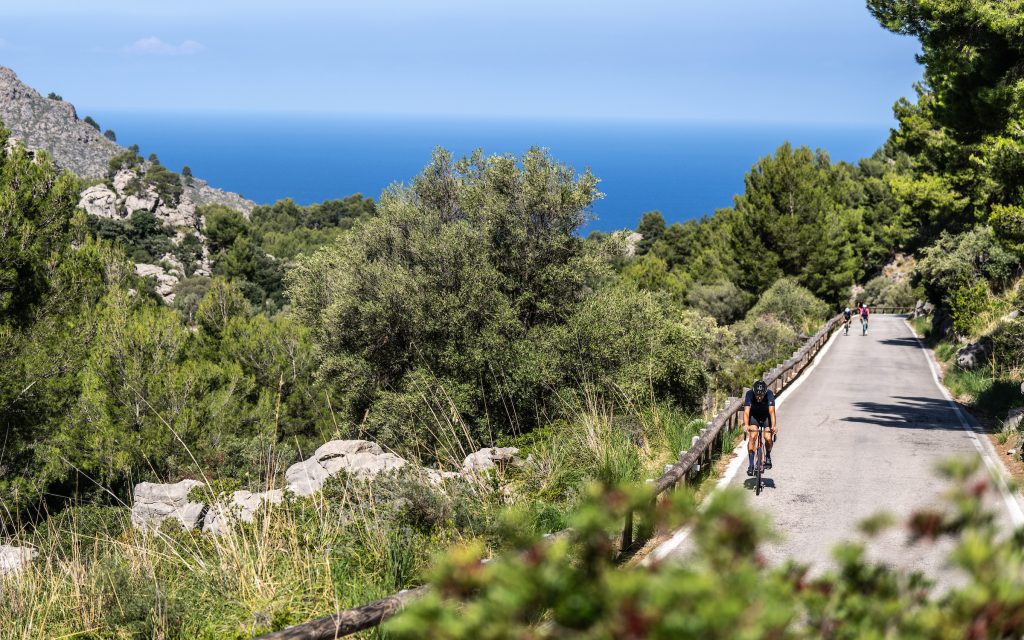
The Serra de Tramuntana, the mountain range that became a UNESCO World Heritage Site in 2011, offers the most challenging climb routes on the island. The roads are well maintained, traffic is manageable, and the views make every effort worthwhile. Below are the most requested combinations by level:
- Beginners: Coll de Sóller or Cap de Formentor as a standalone climb
- Intermediate: Sa Calobra or Puig Major as the main climb, supplemented by a shorter col
- Competitive: Sa Calobra and Puig Major combined, optionally with Coll de Sóller as a warm-up
How tough is Sa Calobra compared to Puig Major?
Sa Calobra is more technically challenging and iconic, while Puig Major is longer and physically harder. Sa Calobra is approximately 9.5 kilometers long with an average gradient of 7.1%, including the famous hairpin bends. Puig Major is the highest mountain on Mallorca at 1,436 meters and demands more endurance due to the total elevation gain.
The key difference lies in the character of the climb. Sa Calobra is explosive and technical, with steep sections and spectacular bends that fully absorb your attention. The descent to the sea is an experience in itself. Puig Major is more consistent in nature: a longer approach, a more regular gradient, and a sense of true mountain climbing. Those who recover from Sa Calobra will notice that Puig Major engages different muscles and demands greater mental perseverance.
Can you combine Sa Calobra and Puig Major in one day?
Yes, Sa Calobra and Puig Major can be combined in one day, but this is a tough day that should not be underestimated. The combination is a classic among competitive cyclists on Mallorca and is known as one of the hardest day rides the island has to offer. Expect a total distance of 100 to 130 kilometers and more than 2,500 meters of elevation gain.
The most logical route departs from Port de Pollença or Sóller, where you first tackle Puig Major and then descend toward Sa Calobra. This way, you ride the hardest climb second, which is mentally challenging but tactically smart if you want to keep your legs fresh for Sa Calobra. Make sure to bring sufficient nutrition, water, and plan an early start in the morning to avoid the heat.
What is the best starting point for a climbing day on Mallorca?
The best starting point for a climbing day on Mallorca is Port de Pollença or Sóller, depending on which climbs you plan. Port de Pollença offers direct access to both Sa Calobra and Puig Major, making it the most strategic starting point for a tough climbing day in the Serra de Tramuntana.
Sóller is ideal if you want to include the Coll de Sóller or if you want to ride the route in reverse. From Playa de Palma, where one of our locations is based, you have a few extra kilometers to ride before reaching the mountains, but the coastal approach makes for a pleasant warm-up. When making your choice, consider:
- The wind direction, as a headwind on the return leg can make a tough day even harder
- The availability of cafés and water points along the way
- Parking options if you drive to the starting point by car
- The schedules of any ferry services or shuttles if you plan a one-way route
What fitness level do you need for the toughest climbs?
For Sa Calobra and Puig Major, you need a solid base fitness level: you should be able to climb comfortably at an average gradient of 6 to 8% for extended periods. Cyclists who regularly ride 80 kilometers or more at home and have experience with climbing can handle these ascents. We recommend that absolute beginners start with less demanding routes.
A useful way to assess your level is to look at your average speed and recovery on climbs. Can you ride a col with 500 meters of elevation gain without completely emptying your tank? Then you are ready for the Mallorcan mountains. For the combination of Sa Calobra and Puig Major in one day, you also need to be mentally strong, as the fatigue in the second half of the day is a factor that many cyclists underestimate.
Which bike is most suitable for climbing on Mallorca?
A lightweight carbon road bike is the most suitable choice for climbing on Mallorca. The weight of the bike makes a noticeable difference on steep sections, and a stiff carbon frame ensures efficient power transfer with every pedal stroke. A compact chainset with a small sprocket at the rear is strongly recommended for the steepest passages of Sa Calobra and Puig Major.
In addition to the frame, the right gearing is crucial. Many cyclists underestimate how steep some sections are and run into trouble when they have no lighter gear left. A 34-tooth chainring at the front combined with a 28 or 30 at the rear gives you the range to survive even the toughest sections without overloading your knees.
How we help you achieve the perfect climbing day on Mallorca
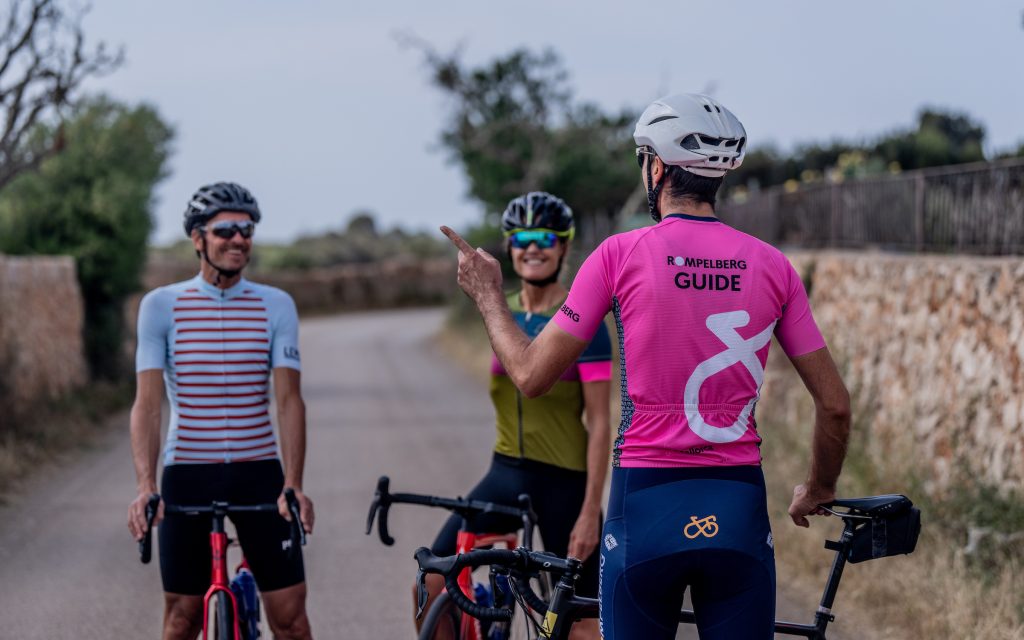
At Rompelberg Cycling Holidays, we make sure you can fully focus on the climb while we take care of the rest. Whether you book a complete cycling holiday or just need a rental bike, we work with you to find the best route for your level and ambitions. Specifically, we offer:
- High-quality carbon road bikes, including the Wilier Filante SLR and Cento10, perfectly suited for climbing
- Personal guidance for competitive groups through our Breakaway group rides
- Complete packages including flight, hotel, and bike, or flexible standalone rental
- Local route knowledge from experienced mechanics and guides who know the Tramuntana inside out
- Bike storage, workshop, and technical support at our locations in Playa de Palma and Playa de Muro
Ready to take on Sa Calobra or Puig Major? Get in touch with us and we will help you put together a climbing day that perfectly matches your level and goals.