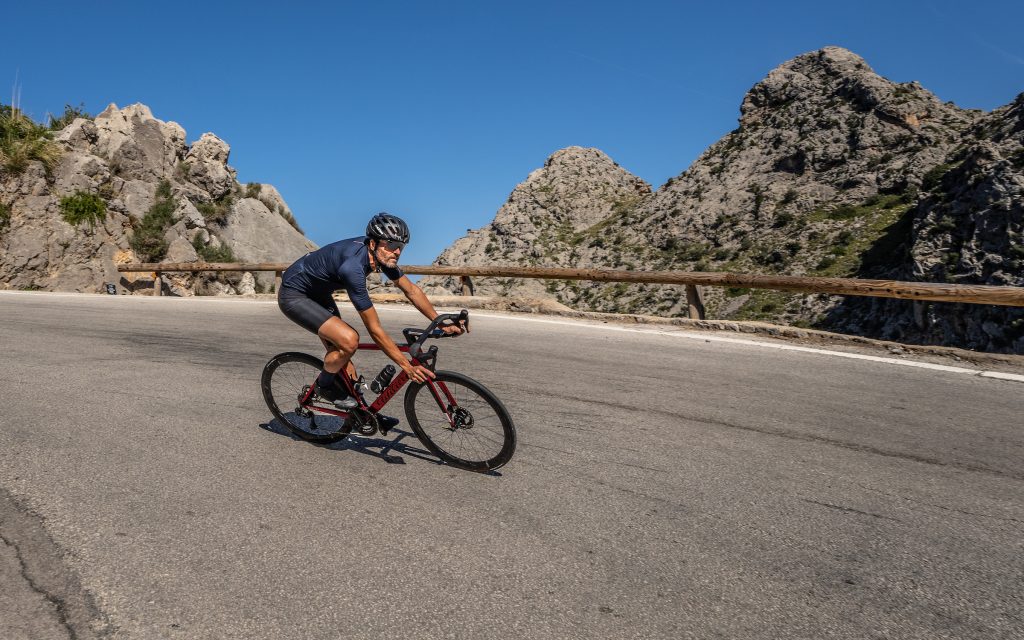
For an individual cycling vacation, you need careful luggage selection that accounts for more independence on the road. You must bring essential cycling equipment, weather-resistant clothing, and practical luggage solutions that give you flexibility without excess weight. The choice depends on your route, the weather, and your personal preferences during your active cycling vacations.
What is the difference between luggage for group and individual cycling vacations?
On individual cycling vacations, you carry more personal responsibility for your equipment than on group trips. You don’t have a support vehicle or guide who can carry extra items, making every gram count. You also need to solve problems independently without direct help from a team.
The biggest difference lies in the independence and preparation. During group cycling vacations, guides can often carry spare parts and there’s usually a support bus available. On individual tours, you must arrange everything yourself, from route planning to emergency repairs. This means you need more technical knowledge and must be better prepared for various scenarios.
For individual cycling vacations, it’s important to choose lightweight but complete equipment. You can’t rely on others for help with breakdowns or bad weather. Therefore, your luggage must find a balance between weight and functionality, bringing all essential items without overloading yourself.
What essential cycling equipment should you always bring?
A good helmet, repair kit with tire levers, spare inner tube, mini bike pump, and multitool are indispensable for any cycling vacation. This basic equipment helps you with most technical problems on the road and ensures your safety while cycling.
Besides the technical basics, you need safety materials such as reflective clothing, lighting, and a first aid kit. Water bottles and energy bars are essential for longer rides. For individual tours, a smartphone with offline maps and a power bank is crucial for navigation and emergency communication.
Also consider personal items like cycling gloves, sunglasses, sunscreen, and any medications. A small frame bag is handy for quick access to important items while riding. When renting high-quality bikes, you often get standard equipment included, but always check what’s provided to avoid duplicate purchases. If you’re unsure what to expect from a provider, learning more on our about us page can help you make an informed choice.
How do you pack smartly for different weather conditions?
The layering system is the key to smart packing for changing weather conditions. Start with good cycling shorts and cycling shirt as a base layer, add insulating layers, and finish with wind- and waterproof outer clothing. This way you can quickly respond to temperature changes during your ride.
Choose functional materials that wick moisture and dry quickly. Merino wool is ideal for base layers because it’s odor-resistant and regulates temperature. For the outer layer, lightweight rain jackets and wind vests are perfect because they take up little space but offer good protection.
Always pack a spare set of dry clothes, especially cycling underwear and cycling socks. These take up little space but make a big difference in bad weather. For warm climates like Mallorca, breathable, light-colored cycling garments with UV protection are essential. Don’t forget cycling gloves and a cycling cap for cooler moments, especially in mountainous areas where weather can change quickly.
What are the best luggage solutions for individual cyclists?
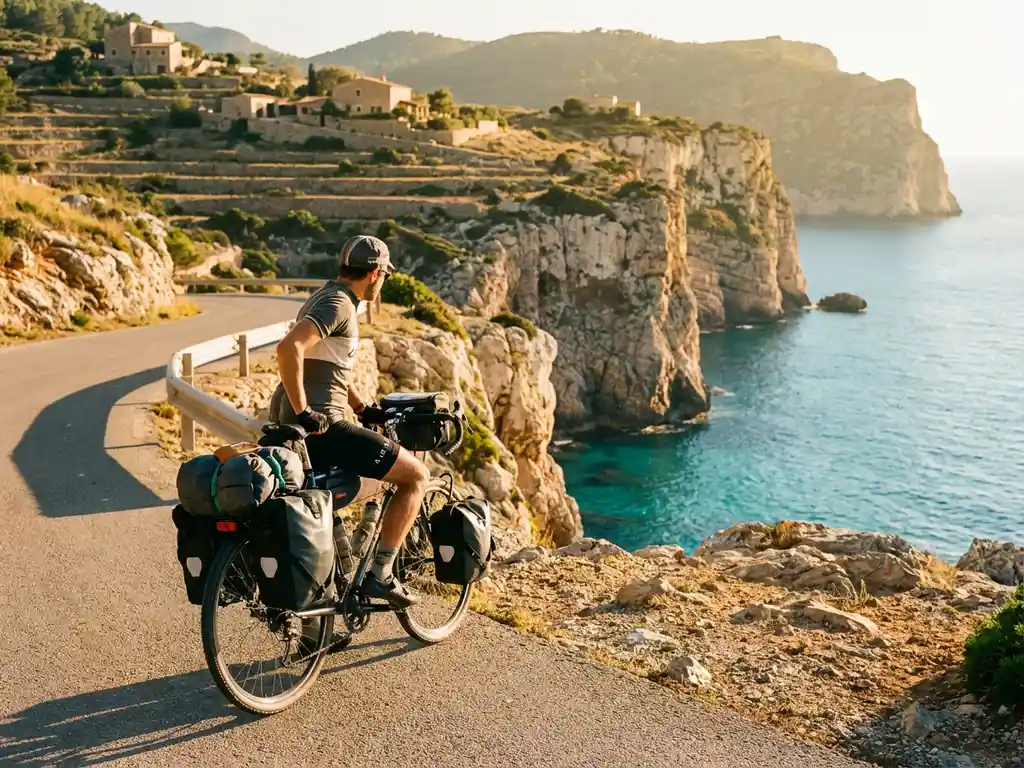
Bike bags offer the best weight distribution and stability for longer rides, while cycling backpacks provide more flexibility but can strain your back on long distances. A combination of frame bag for important items and rear bags for clothing works best for most individual cycling vacations.
For weight distribution, rear bags are ideal because they keep the center of gravity low and don’t disturb bike balance. A handlebar bag provides quick access to maps, phone, and snacks without stopping. Frame bags are perfect for tools and spare parts that you hopefully won’t need but want to keep accessible.
Waterproof bags are worth the investment, especially for electronic devices and spare clothing. Choose bags with reflective elements for extra visibility. For short day trips, a good cycling backpack may suffice, but check that it ventilates well and doesn’t shift while cycling. The choice depends on your ride length, weather, and your personal preference for accessibility versus stability. Exploring a dedicated cycling holiday package can also simplify many of these decisions by bundling the right gear and support from the start.
How Rompelberg helps with your luggage preparation for individual cycling vacations
Rompelberg offers complete support for worry-free luggage preparation for your individual cycling vacation. With our expertise, we ensure you hit the road optimally prepared:
• Personal advice on the right equipment for your specific route and weather conditions
• Professional luggage checklists adapted to the duration and intensity of your cycling vacation
• Rental of high-quality bike bags and technical equipment through our services
• 24/7 support during your trip for questions about equipment and luggage
Plan your individual cycling vacation with the confidence that your luggage is perfectly matched to your adventure. Whether you’re heading to the sun-soaked roads of Mallorca or tackling a challenging new route, contact Rompelberg today for personal luggage advice and start your next cycling journey worry-free.