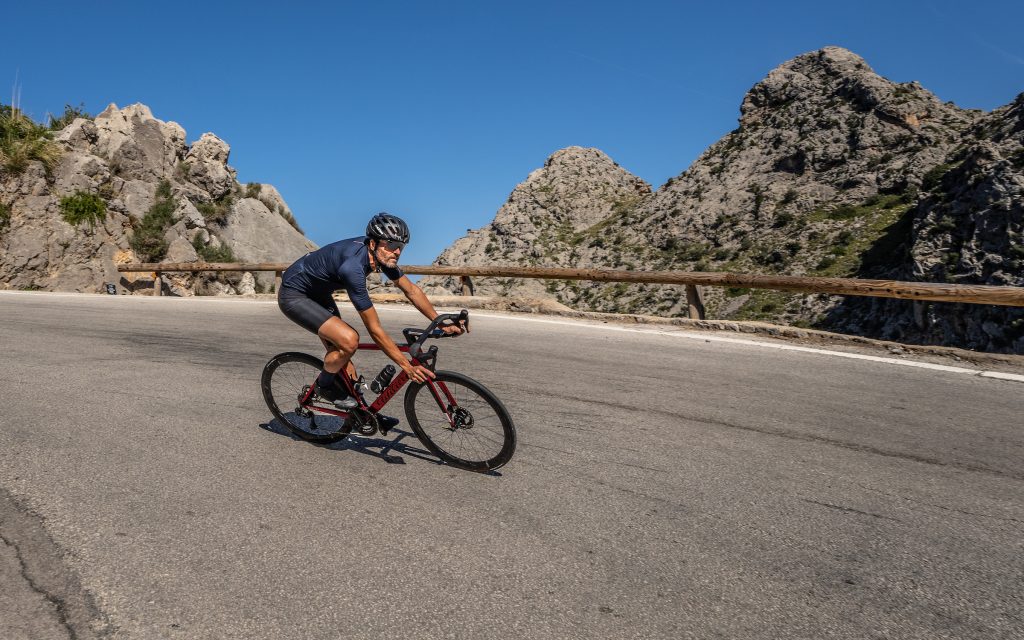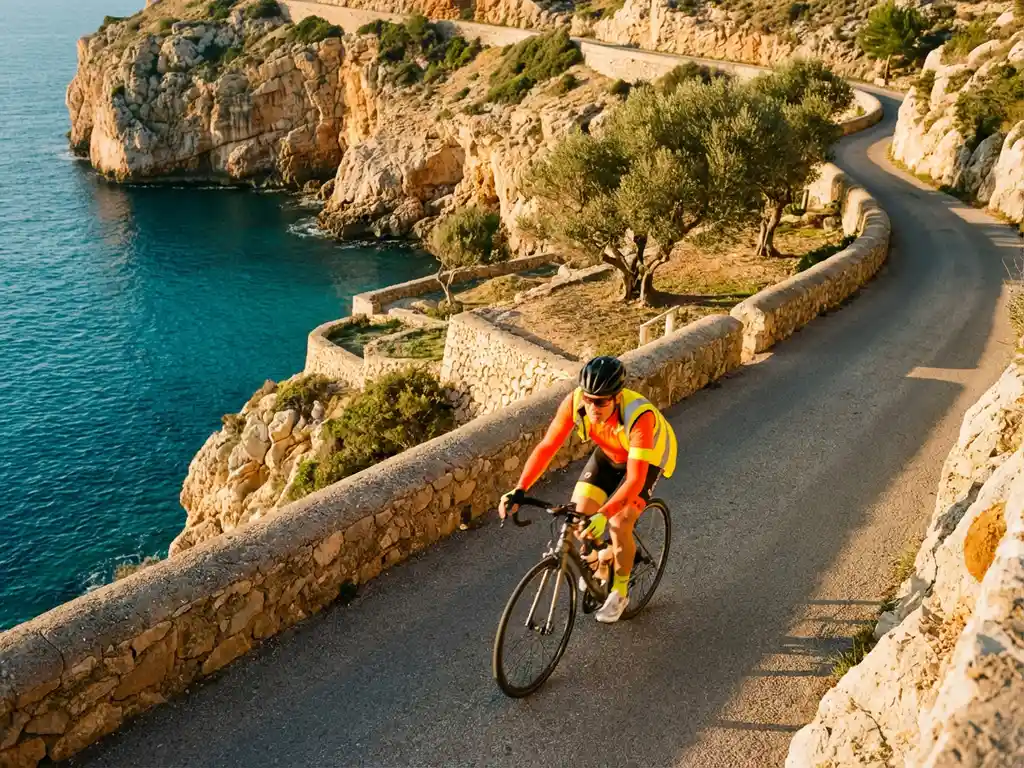
A sporty cycling vacation without injuries starts with proper preparation and correctly adjusting your bike. Most cycling injuries occur due to overuse, incorrect posture, or insufficient warm-up. By gradually building your fitness, setting up your bike correctly, and listening to your body, you can fully enjoy your road cycling vacation without pain or discomfort.
What preparations are essential for an injury-free cycling vacation?
Successful preparation for sporty cycling vacations requires gradual fitness building over at least 6-8 weeks before departure. Start with shorter rides and build up 10-15% extra kilometers weekly. Combine this with strength training for your core and leg muscles to improve stability.
Physical preparation involves several aspects. Start by building your basic fitness through regular cycling, even on days when the weather is less favorable. Practice with different intensities to prepare your body for the varied routes during your cycling holiday. Integrate interval training to strengthen your endurance.
Besides fitness training, testing your equipment is crucial. Try out your cycling clothing, saddle, and shoes during longer training rides. This prevents discomfort during your individual cycling vacations. Also test your nutrition and hydration strategy, so you know what your body tolerates well during intensive efforts.
Plan rest days in your training schedule to prevent overuse. Your muscles need time to recover and become stronger. Good preparation also means getting to know your body and recognizing signs of fatigue.
How do you correctly adjust your bike to prevent injuries?
Correct bike adjustment prevents 80% of all cycling injuries. The saddle height is most important: your leg should be almost fully extended when the pedal is in the lowest position, with a slight knee bend of 25-30 degrees. A saddle that’s too low strains your knees, while one that’s too high causes your hips to tilt.
The handlebar position determines the load on your back, neck, and wrists. For recreational cyclists during relaxed cycling vacations, a more upright position is more comfortable. The handlebars should be adjusted so that your elbows are slightly bent and your shoulders remain relaxed.
Pedal adjustment is often overlooked but essential for knee joints. Your foot should sit straight on the pedal, not turned inward or outward. The ball of your foot should be above the pedal axle for optimal power transfer.
Professional about us services ensure that every bike is perfectly adjusted to your body measurements. Experienced mechanics take your measurements beforehand and adjust the bike for optimal comfort. This prevents many common problems and ensures maximum comfort during your ride.
What are the most common cycling injuries and how do you recognize them early?
The most common cycling injuries are knee pain, saddle sores, neck and back complaints, and numbness in hands. Knee pain usually occurs due to incorrect saddle height or pedal adjustment and manifests as pain at the front or back of the knee during or after cycling.
Saddle sores often start as mild irritation but can develop into serious discomfort. Early signs are sensitivity, red spots, or a burning sensation. Stop immediately if these symptoms occur and check your saddle adjustment and cycling posture. The chamois in cycling shorts is designed to be worn directly against the skin for optimal comfort.
Neck and back complaints manifest as stiffness, tension, or pain in these areas. This often comes from an overly aggressive riding position or poorly adjusted handlebars. Numbness in hands or tingling indicates too much pressure on the wrists or incorrect hand position.
Recognize warning signs early: any pain that persists longer than 30 minutes after the ride deserves attention. Pain that increases during cycling is a clear signal to stop. Listen to your body and don’t ignore discomfort, even during a beautiful ride on Mallorca.
Which warm-up and cool-down techniques work best for cyclists?
An effective warm-up for cyclists begins with 5-10 minutes of easy cycling followed by dynamic stretches for hips, knees, and ankles. Rotate your legs in small circles, do some knee lifts, and stretch your calves by standing on your toes.
Start every ride with a gradual build-up of intensity. The first 10-15 minutes, cycle at an easy pace to prepare your muscles, joints, and cardiovascular system for the upcoming effort. This is especially important during cooler mornings.
After your ride, cooling down is just as important. Cycle the last 10 minutes at a calm pace and let your heart rate gradually decrease. Follow this with static stretches: hold each stretch for 20-30 seconds and focus on your hamstrings, quadriceps, calves, and back muscles.
Professional massage treatments can accelerate your recovery. Massage by an experienced therapist helps treat tired muscles and prepares you for the next ride. This helps prevent muscle soreness and supports your overall well-being during intensive cycling days.
How do you ensure adequate rest and recovery during an intensive cycling vacation?
Effective recovery during sporty cycling vacations requires conscious planning of rest days and recognizing signs of overuse. Plan a rest day or a very light ride every 3-4 intensive cycling days. Your body needs time to recover and become stronger.
Sleep is your most important recovery tool. Ensure 7-9 hours of quality sleep per night and maintain a regular sleep rhythm, even during your vacation. Good cyclist-friendly hotels offer quiet rooms and comfortable beds that contribute to optimal recovery.
Nutrition plays a crucial role in recovery. Eat a combination of carbohydrates and proteins within 30 minutes after your ride to replenish your energy reserves and stimulate muscle recovery. Drink enough water throughout the entire day, not only during cycling.
Learn to recognize signs of overuse: persistent fatigue, elevated resting pulse, decreased performance, or increased susceptibility to injuries. If you notice these signs, take an extra rest day. It’s better to take a day of rest than to ruin your entire vacation with an injury.
Always listen to your body and don’t be afraid to adjust your planning. A successful cycling vacation is about enjoying yourself, not pushing yourself to the limit. By applying these principles, you can optimally benefit from your time on the bike and carefreely enjoy everything your Mallorca cycling vacation has to offer.
How Rompelberg helps with injury-free cycling vacations
Rompelberg offers the complete solution for a safe and comfortable cycling vacation through:
• Professional bike adjustment by experienced mechanics who perfectly tune every bike to your body measurements
• High-quality bikes that are regularly maintained and perform optimally
• Massage and recovery service with therapists available 6 days per week
• Cyclist-friendly accommodations with comfortable beds for optimal recovery
• Expert guidance in planning your routes and rest days
Plan your injury-free cycling vacation now and experience the difference of professional service that puts your well-being first. For more information about us or to make a direct booking, contact us. Book your carefree cycling vacation with Rompelberg today.