You prepare for long climbs in Mallorca through a combination of targeted cycling training, smart nutrition strategies, and the right equipment. Start at least eight to twelve weeks before your departure with a progressive training schedule specifically focused on climbing ability and endurance. In this article, we answer the most frequently asked questions about preparing for the challenging mountain passes of Mallorca, from physical fitness to ride strategy.
What level of physical fitness do you need for the tough climbs in Mallorca?
For the tough climbs in Mallorca, such as the Puig Major ascent and Sa Calobra, you need a solid aerobic base combined with sufficient muscular endurance in your legs. Aim for an average power output of 3 to 4 watts per kilogram of body weight as a starting point for the longer climbs on the island.
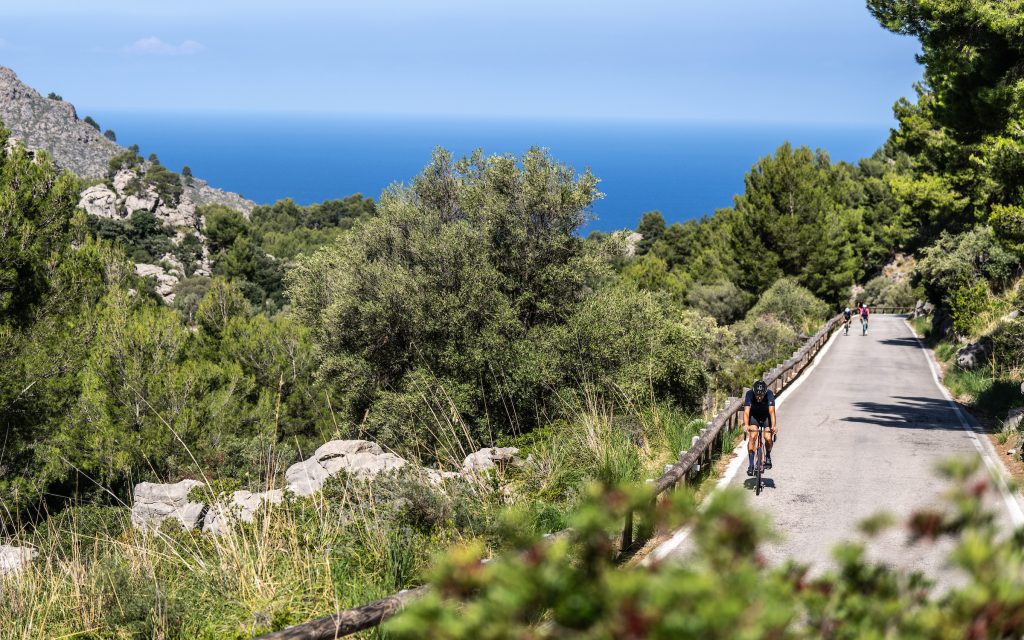
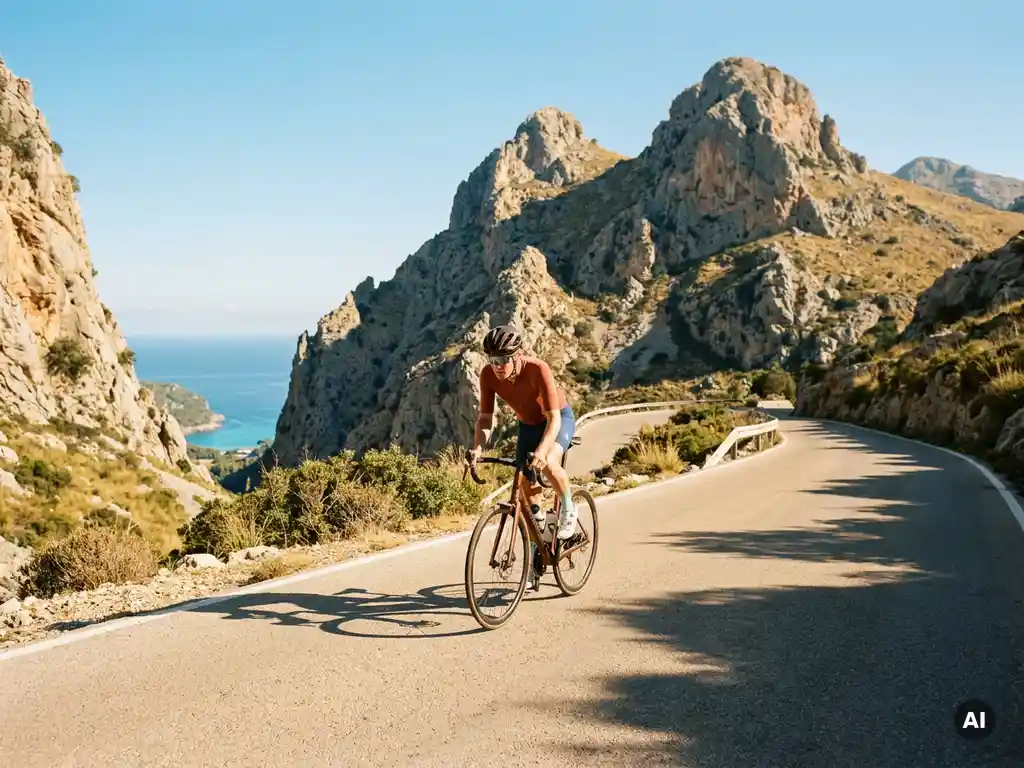
Mallorca’s mountain passes are not beginner territory. Sa Calobra rises over nine kilometers with an average gradient of seven percent, while the Puig Major is even steeper and more challenging. You don’t need to be a professional cyclist, but you do need to be comfortable riding at sustained effort without completely running out of energy halfway up the climb.
Build your fitness by regularly combining longer rides with specific climbing intervals. Those who have been cycling regularly for a year or more and are accustomed to rides of over three hours are in a good starting position. If you have less experience with mountain riding, plan extra weeks for acclimatization to climbing itself.
How do you build a training schedule for mountain rides?
An effective training schedule for mountain rides in Mallorca lasts at least eight to twelve weeks and is built around three phases: base endurance, specific climbing training, and peak load followed by tapering. Increase your training volume by no more than ten percent per week to avoid injury.
Phase 1: Building base endurance
During the first three to four weeks, focus on longer rides at an easy pace, also known as zone 2 training. This improves your fat burning and aerobic capacity — the foundations for every long climb. Ride three to four times per week, with a long ride on the weekend of at least two to three hours.
Phase 2: Climb-specific training
In the second phase, add climbing intervals. Seek out steep sections in your area or use an indoor trainer with resistance simulation. Ride repetitions of five to twenty minutes at a high but sustainable pace. This trains exactly the muscle groups and energy system you need for cycling training for mountain rides like those in Mallorca.
Phase 3: Peak load and tapering
In the final two weeks before your departure, reduce your volume but maintain the intensity. Your body needs time to recover and grow stronger. Arrive in Mallorca rested, not exhausted.
What are the best nutrition strategies for long climbs?
For long climbs in Mallorca, carbohydrate-rich nutrition is key. Make sure your glycogen stores are fully topped up before each ride and consume carbohydrates every 45 to 60 minutes while climbing — such as gels, bars, or bananas — to prevent an energy dip.
Hydration is at least as important as nutrition. In Mallorca, temperatures in spring and summer can rise quickly, especially on mountain roads where there is little shade. Drink proactively and don’t wait until you feel thirsty. Add electrolytes to your water bottle on longer rides of more than an hour and a half.
The evening before a tough climb, eat a carbohydrate-rich meal — think pasta, rice, or potatoes. On the morning of the ride, have a light but energy-rich breakfast two to three hours before setting off. Avoid heavy, high-fat meals that burden your stomach during climbing.
What bike and equipment are ideal for Mallorca’s mountain passes?
A lightweight carbon road bike is ideal for the mountain passes of Mallorca. Weight plays a crucial role on long climbs: every kilogram less means less resistance on steep gradients. Choose a bike with a compact chainset so you can ride out even the steepest sections without overloading your knees.
For a carbon road bike in Mallorca, the lighter the better — but stiffness and comfort are also important on multi-day trips. A good bike fit is at least as important as the brand or model. Get a professional bike fitting before you leave so you can climb efficiently and injury-free.
In terms of equipment, these are the essentials for mountain rides in Mallorca:
- Lightweight cycling shoes with a stiff sole for optimal power transfer
- Sun protection: sunglasses, sunscreen, and a lightweight helmet with good ventilation
- At least two water bottles or a bottle cage with extra capacity
- A wind jacket or gilet for the descent, as temperatures can drop quickly after a tough climb
- Repair kit: inner tube, CO2 cartridge, and a multi-tool
How do you adapt your ride strategy on steep gradients?
On steep gradients such as Sa Calobra and the Puig Major ascent, a steady pace is the best strategy. Start more conservatively than you think you need to, as most cyclists go out too hard and run out of energy halfway up. Ride by feel or use a power meter to monitor your effort.
Regularly change your riding position to activate different muscle groups. Climb seated for efficiency on longer sections and stand on the pedals for short, steep stretches or to give your muscles a brief rest. Keep your cadence as high as possible — ideally between 70 and 90 revolutions per minute — to save your muscles for the long road ahead.
Mentally, a long climb is also a challenge. Break the climb into smaller sections and focus on the next corner or the next kilometer. Don’t constantly look at the summit — ride from segment to segment. This makes the climb manageable and keeps your motivation high.
When is the best time to train in Mallorca?
The best time to train in Mallorca for long climbs is in early spring, from February to April, or in autumn, from September to November. During these periods, temperatures are pleasant, the roads are quieter, and conditions are ideal for intensive cycling training for mountain rides.
In the summer months, the heat on mountain roads can exceed 35 degrees Celsius, making tough climbs even harder. If you do train in summer, set off early in the morning before the heat sets in. In winter, the higher mountain passes are sometimes closed due to weather conditions.
For competitive cyclists planning their training camp in 2026, March or October offers the golden combination of good weather, light traffic, and optimal training conditions on the island’s legendary climbs.
How we help you prepare for Mallorca’s climbs
At Rompelberg Cycling Holidays, we combine thirty years of local knowledge with a complete offering for cyclists who want to take on the tough mountain passes of Mallorca. Whether you’re attacking Sa Calobra for the first time or looking to improve your time on the Puig Major ascent, we make sure you arrive at the start line well prepared.
Here’s what we arrange for you:
- High-quality carbon rental bikes, including top models from Wilier, perfectly set up for mountain rides
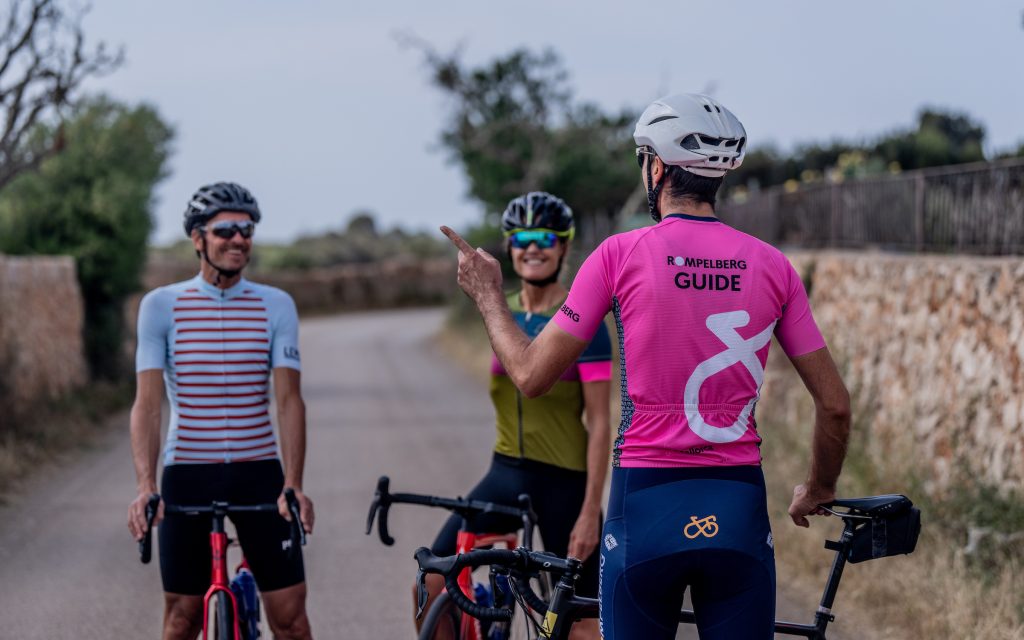
- Guided group rides along the iconic climbs of Mallorca, tailored to your level
- Complete cycling holiday packages including flights, hotel, and bike, so you can focus solely on cycling
- Personal guidance from experienced guides who know Mallorca’s mountain passes like the back of their hand
- Accommodations specifically selected for cyclists, with secure bike storage and an on-site workshop
Want to know which package best suits your ambition level? Contact us and we’ll help you put together a cycling holiday that perfectly matches your goals for 2026.