Combining sightseeing with a road cycling vacation requires strategic route planning where you align athletic performance with cultural attractions. By consciously planning stops at iconic locations and adjusting your pace to opening hours, you create a perfect balance between sporting challenge and cultural enrichment. The key lies in flexible daily planning and choosing routes that naturally pass by attractions.
What is the difference between a road cycling vacation and regular cycling vacation?
A road cycling vacation focuses on athletic performance with high-quality road bikes, longer distances and higher speeds, while regular cycling vacations are more focused on relaxation and tourist exploration. Road cyclists seek challenge in mountainous routes and want to push their limits, while recreational cyclists primarily enjoy the landscape and local culture.
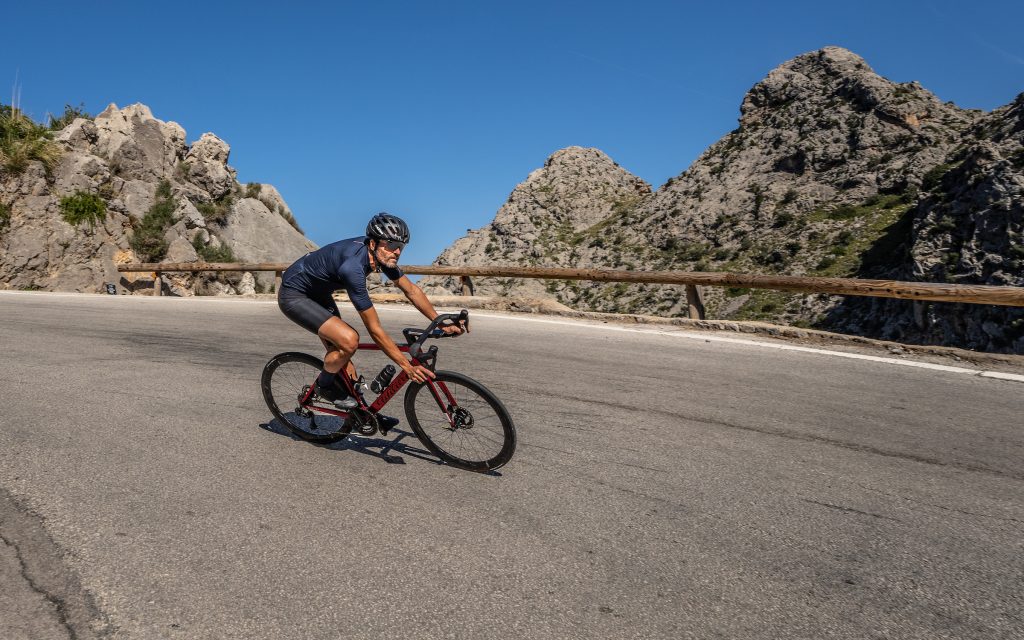
On a road cycling vacation you use specialized equipment like lightweight road bikes specifically designed for mountainous routes. These bikes are equipped with modern components for optimal performance and are professionally adjusted to your individual preferences. The pace is usually between 25-35 km/h, with distances of 80-150 kilometers per day being normal.
Regular cycling vacations, on the other hand, focus on comfort and accessibility. The pace is more relaxed (15-25 km/h), with shorter stages of 30-60 kilometers. More stops are planned at cafés, attractions and photo opportunities. The routes are often flatter and less technically challenging, making them suitable for all levels and ages.
How do you plan sightseeing stops during intensive road cycling rides?
Plan sightseeing stops strategically at natural rest points on your route, such as after climbs or halfway through long stages. Choose attractions that are within 5-10 minutes of your planned route to minimally disrupt your rhythm. Timing is crucial: visit cultural sites during the cooler morning or evening hours.
Start by identifying highlights along your planned road cycling route before you depart. Use digital maps to check which attractions lie within an acceptable detour of maximum 2-3 kilometers. Plan these stops at moments when you would pause anyway for water or nutrition.
Consider opening hours of museums, churches and other attractions. Plan intensive rides in the early morning (6:00-9:00) or late afternoon (4:00-7:00 PM), so you have time between 9:00 AM-4:00 PM for sightseeing when most attractions are open. Always carry a small backpack or saddle bag with camera, water and possibly change of clothes for visits to religious sites.
Communicate your plans with fellow travelers or guides, so everyone knows where and when stops are planned. Flexibility remains important – sometimes weather or your energy level is reason to adjust the planning. If you want to know more about how we organize this, feel free to learn more on our about us page.
Which Mallorcan attractions are best accessible by road bike?
The best road bike-accessible attractions in Mallorca are Cap de Formentor, Lluc monastery, Valldemossa, and the lighthouse at Cap de Ses Salines. These locations lie along popular road cycling routes, have good road quality and offer safe parking possibilities for bikes.
Cap de Formentor is an absolute must-see, accessible via a spectacular 20-kilometer climb from Port de Pollença. The road is well maintained and offers breathtaking views over the Mediterranean Sea. At the lighthouse there are plenty of places to safely park your bike.
Lluc monastery is centrally located on the island and accessible via various routes from both the north and south coast. The climb to Lluc is challenging but very cyclable, with an average gradient of 6%. The monastery has a large parking area where bikes are welcome.
Valldemossa, the picturesque mountain village where Chopin stayed, lies 17 kilometers from Palma via a gradual climb. The narrow streets in the village itself are less suitable for road bikes, but you can park your bike at the entrance and continue exploring on foot.
The south coast offers access to beautiful lighthouses such as Cap Blanc and Cap de Ses Salines. These routes are relatively flat and very suitable for road cyclists who want to cover longer distances while enjoying coastal views and historic buildings.
What are the best times to combine sightseeing with road cycling?
The optimal times for combining sightseeing with road cycling are early morning (6:00-9:00 AM) for intensive cycling, followed by sightseeing between 9:00 AM-12:00 PM, an afternoon break, and possibly a second short ride from 4:00-6:00 PM. This schedule avoids the heat and crowds of midday.
Spring (March-May) and autumn (September-November) are ideal for this combination. Temperatures range between 18-25°C, perfect for intensive rides, while most attractions are still open without summer crowds. During these periods most road cyclists are also on the island, creating good atmosphere and safety in groups.
During summer months (June-August) it’s essential to start very early – by 6:00 AM at the latest – to avoid the worst heat. Plan sightseeing between 9:00-11:00 AM and 5:00-7:00 PM, when the sun is less intense. Many churches and museums close between 12:00-4:00 PM for siesta, which works out perfectly for an afternoon rest.
Pay attention to weather conditions and adjust your planning accordingly. With strong wind (tramuntana), mountain routes to attractions like Sa Calobra are more challenging but also more spectacular. Rain is rare, but always check the forecast before departing to remote locations like Cap de Formentor.
Weekends can be busier at popular attractions, so plan your most ambitious combinations of sport and culture on weekdays. Many local markets take place on specific days – integrate these into your planning for an authentic cultural experience after your ride. Explore our full range of cycling holidays to find the itinerary that suits your ambitions best.
How Rompelberg helps with combining sightseeing with road cycling vacation
Rompelberg offers the perfect solution for combining sightseeing with road cycling vacation through:
- Pre-mapped routes that naturally pass important attractions
- Flexible daily programs adapted to opening hours of cultural attractions
- Professional guidance that optimizes both athletic performance and cultural enrichment
- High-quality road bikes perfectly adjusted for mountainous routes to iconic locations
- Local expertise about the best times and routes for each attraction
Discover how you can find the perfect balance between sporting challenge and cultural discovery. Contact us and experience the best of both worlds.