Yes, you can ride climbing routes on Mallorca with an e-bike, but it requires the right preparation and realistic expectations. The electric assistance makes steep gradients more accessible, but the mountains of Mallorca also pose serious challenges for e-bikers in terms of battery life, weight, and technique. In this article, we answer the most frequently asked questions about e-bike climbing on Mallorca.
What makes climbing routes on Mallorca so challenging for an e-bike?
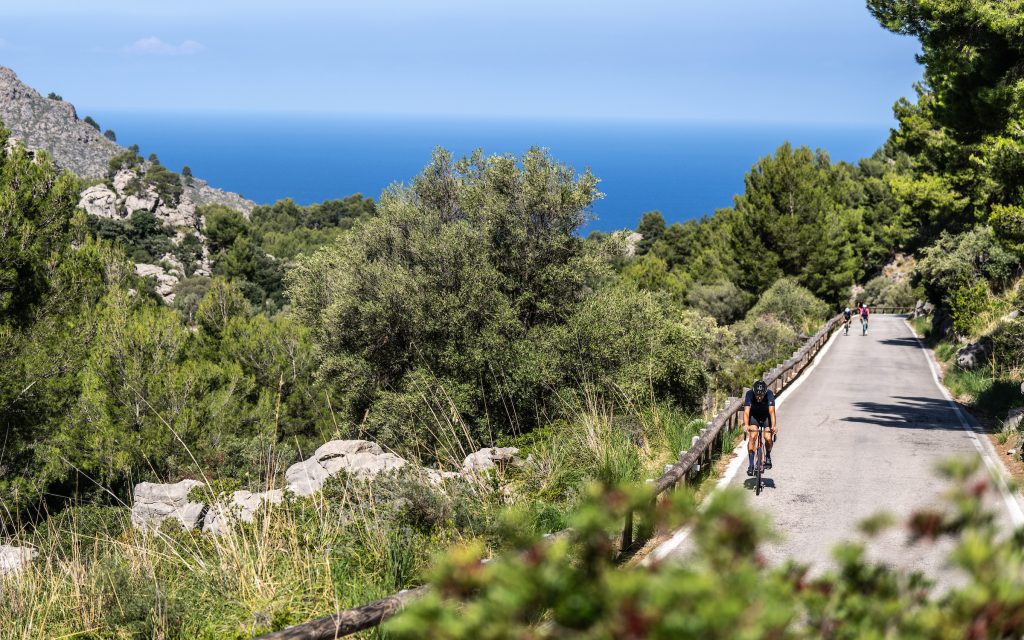
The climbing routes on Mallorca are challenging for an e-bike due to the combination of extreme steepness, long climbing distances, and heat. The Serra de Tramuntana, the mountain range in the northwest of the island, offers climbers gradients of up to 12% and more, sometimes over several consecutive kilometers. That is tough for both the rider and the battery.
Where a regular road bike only taxes the rider’s fitness, an e-bike draws extra energy from the battery with every steep meter. Moreover, an electric bike typically weighs 15 to 22 kilograms, compared to 7 to 9 kilograms for a lightweight carbon road bike. That weight difference is noticeable on long climbs, especially when the assistance decreases or cuts out. The heat on Mallorca, even in the shoulder seasons, also accelerates battery discharge.
How much assistance does an e-bike provide on steep gradients?
On steep gradients, an e-bike in its highest assistance mode delivers an additional power output of typically 250 to 400 watts on top of your own pedaling effort. That is enough to climb a gradient of 8 to 10% at a comfortable pace, even for riders with average fitness. At gradients above 12%, however, you will notice that even maximum assistance does not compensate for everything.
European regulations cap electric assistance at 25 km/h. On steep gradients you are almost always riding below that limit, which means the motor provides continuous assistance. That is favorable for climbing, but energy consumption is also at its highest during those moments. Switch smartly between assistance levels to conserve the battery on less steep sections.
Which climbing routes on Mallorca are suitable for an e-bike?
Not every iconic climb on Mallorca is equally suitable for an e-bike. The most accessible routes for electric cyclists are the shorter or less steep variants, while the toughest classics require extra preparation.
- Puig Major (from Soller): A long, steady climb with consistent gradients. Very manageable with a full battery and sensible energy management.
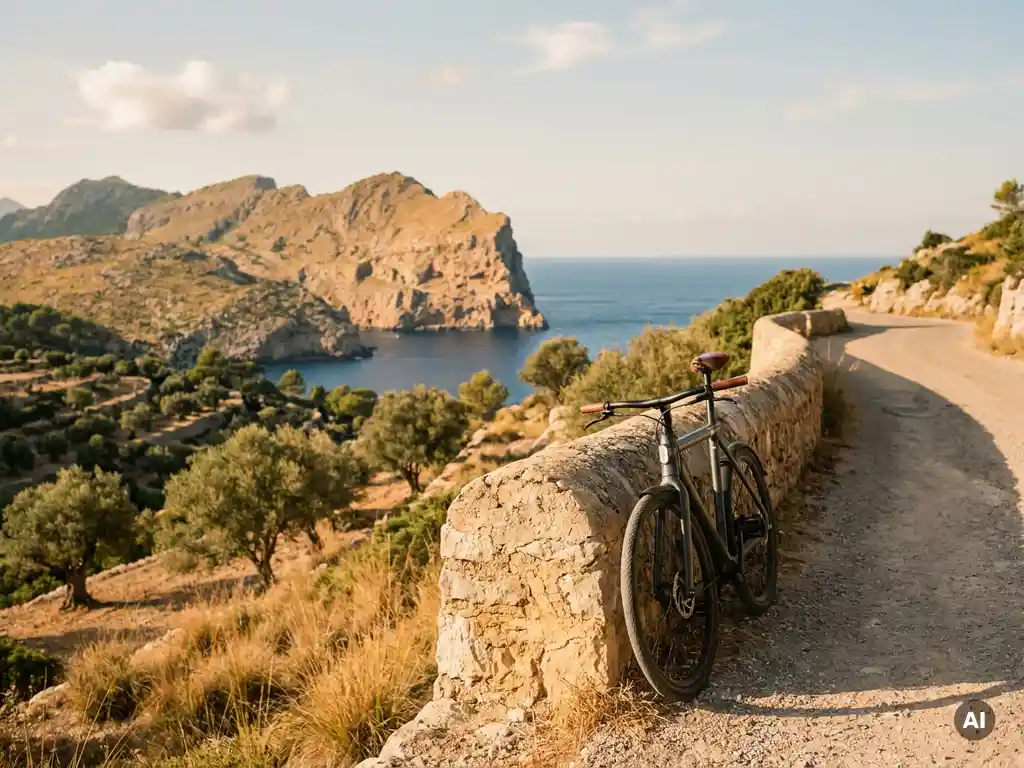
- Cap de Formentor: Relatively accessible, with stunning views and no extreme steep sections. An excellent choice for e-bikers who want to enjoy the scenery.
- Sa Calobra: The most notorious climb on Mallorca. With an e-bike, the descent toward Sa Calobra is very manageable, but the return climb via the Coll dels Reis demands a lot from the battery. Plan this only with a fully charged battery and early in your ride.
- Coll de Soller: A classic climb with varied gradients, well suited for e-bikers exploring the mountains for the first time.
Check our overview page of climbs on Mallorca for detailed information about routes, elevation differences, and difficulty levels.
How far can you get on an e-bike battery in the mountains of Mallorca?
With a standard e-bike battery of 500 to 625 Wh, you can cover an average of 60 to 100 kilometers in the mountains of Mallorca, depending on the assistance level, the rider’s weight, and the elevation profile of the route. On routes with a lot of climbing and maximum assistance, that range can fall considerably short.
A practical rule of thumb: for every 1,000 meters of elevation gain, expect a significant additional drain on the battery. A ride to Sa Calobra and back, including the steep return climb, can easily involve 1,500 to 2,000 meters of elevation gain. That calls for a full battery at departure and conscious riding behavior along the way.
Tips to make your battery go as far as possible:
- Always start with a fully charged battery.
- Use the lowest assistance level on flat or gently sloping sections.
- Switch to high assistance only on the steepest passages.
- Ride early in the morning to avoid heat, as warmth accelerates discharge.
- Ask your rental provider about the option of an extra spare battery.
Does the e-bike climbing experience differ greatly from a regular road bike?
Yes, the climbing experience on an e-bike differs fundamentally from that on a regular road bike. On an e-bike, your pace is determined less purely by your own power output and more by how you deploy the assistance. That makes climbing more accessible, but also less direct in the feedback you receive from your body.
On a lightweight carbon road bike, you feel every gradient in your legs and lungs. That is precisely what competitive cyclists seek: the pure challenge of Sa Calobra or Puig Major under their own power. With an e-bike, the effort is lower, but the views and the adventure are identical. For cyclists who are less trained or have an injury, the e-bike offers a valuable way to still enjoy the most beautiful routes.
Another difference is the handling: the higher weight of an e-bike is noticeable in corners and when maneuvering on narrow mountain roads. Allow yourself a few kilometers to get accustomed before starting a serious climb.
Which type of e-bike is best for climbing on Mallorca?
For climbing on Mallorca, a lightweight e-road bike or an e-gravel bike is the most suitable option. These bikes combine a relatively low weight with a powerful motor and a large battery capacity, and are designed for exactly the type of road surface you encounter on the Mallorcan mountain roads.
What to look for when choosing an e-bike for mountain rides:
- Weight: The lighter the bike, the less the motor needs to compensate. Preferably choose a model under 16 kilograms.
- Battery capacity: A battery of at least 500 Wh is recommended for longer mountain rides. Bigger is better if you want to combine multiple climbs in one day.
- Motor type: A mid-drive motor (such as Bosch or Shimano Steps) provides a more natural riding feel when climbing than a hub motor, and distributes the weight better across the bike.
- Gear range: Make sure you have enough low gears to pedal comfortably even on the steepest passages.
How we help you with e-bike climbing on Mallorca
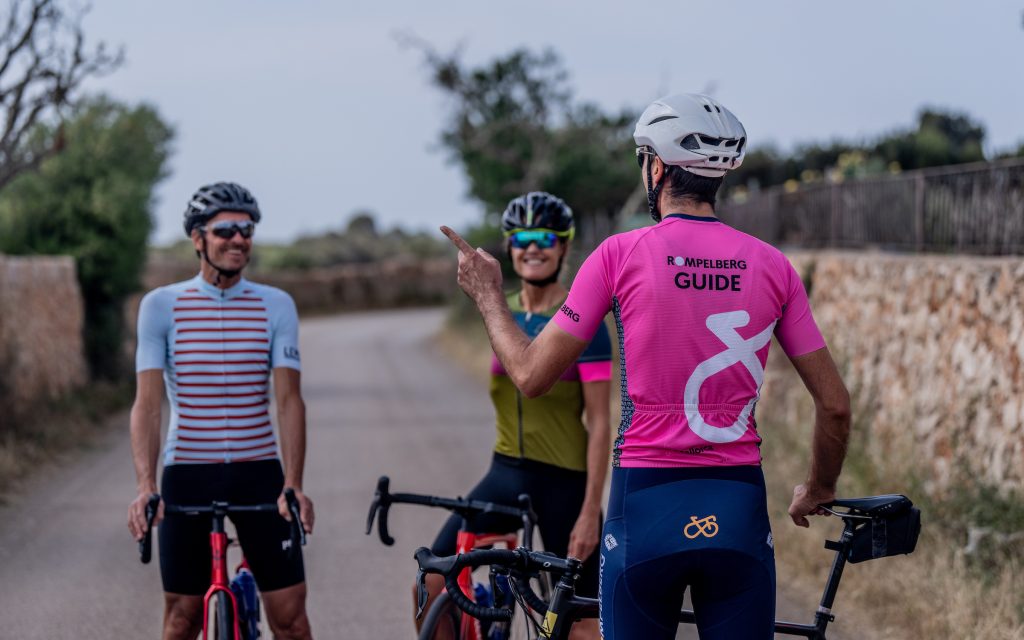
We at Rompelberg Cycling Holidays guide cyclists of every level in discovering the most beautiful climbing routes on Mallorca, including on an e-bike. Whether you want to head into the mountains for the first time or ride a specific route, we work with you to find the best approach.
What we arrange for you:
- High-quality e-bikes suited for mountain rides, including powerful batteries and reliable motors
- Personal advice on which climbing routes match your level and battery capacity
- Complete cycling holiday packages including flights, hotel, and bike rental, so all you have to think about is riding
- Local knowledge about the best start times, charging options, and route variations
- Experienced guidance for groups who want to head into the mountains together
Want to know which e-bike and which route suit you best? Contact us and we will help you on your way to an unforgettable cycling holiday on Mallorca.