The toughest and most suitable climbing routes in Mallorca for advanced cyclists are Sa Calobra, Puig Major, and Cap de Formentor. These three climbs combine significant elevation gain, technical challenges, and breathtaking landscapes that make the island one of the most popular training destinations in Europe. In this article, we answer the most frequently asked questions about climbing routes in Mallorca so you can optimally prepare.
Which climbs in Mallorca are the hardest?
The hardest climbs in Mallorca are Sa Calobra, Puig Major, and Cap de Formentor. Sa Calobra is the most notorious, with its consistently steep gradients and technical hairpin bends. Puig Major is the highest mountain pass on the island and requires endurance over a longer distance. Cap de Formentor challenges riders with a combination of elevation gain and wind.
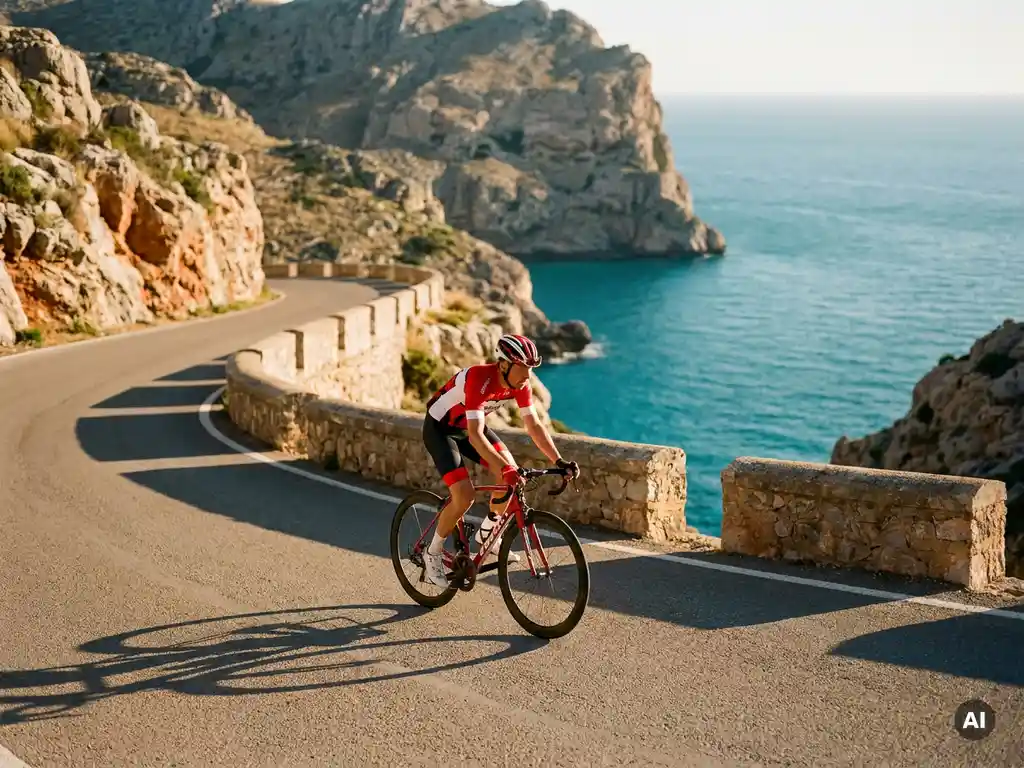
For advanced cyclists, these are the three names that come up time and again when discussing climbing routes in Mallorca. Each of these climbs has its own character and requires a different approach. Sa Calobra is known for its explosive effort, while Puig Major is more a matter of pacing and perseverance. Cap de Formentor adds an extra dimension through the unpredictable wind you encounter along the coastline.
Beyond these three, there are also challenging routes through the Tramuntana, such as the climb to Coll de Sóller and the route toward Lluc. For a complete training camp, these cols together offer a varied and intensive program suited to every level within the advanced category.
How tough is Sa Calobra for an advanced cyclist?
Sa Calobra is a serious challenge for advanced cyclists. The climb is approximately 9.5 kilometers long with an average gradient of around 7 percent, but the difficulty lies in the combination of sustained effort, little recovery room, and the famous 270-degree hairpin bend. A trained cyclist typically needs between 45 minutes and an hour to complete it.
What makes Sa Calobra so special for advanced riders is that the climb is unforgiving. There are barely any flat sections to recover on, and the road surface demands technical riding skill through the corners. The descent is spectacular but also requires concentration due to the sharp bends and traffic during peak season.
For cyclists tackling Sa Calobra for the first time, it is wise to ride the climb in the morning. It is cooler then, there is less traffic, and you can better appreciate the surroundings. Combine the climb with the connecting route via Puig Major for a complete training day in the Tramuntana.
What makes Puig Major different from other Mallorcan cols?
Puig Major stands out as the highest col in Mallorca, with a summit at 1,445 meters. The climb is longer and more gradual than Sa Calobra, covering approximately 12 kilometers with an average gradient of around 5 to 6 percent. What is special is that on the way to the top you ride through changing climate zones and regularly encounter wind and mist.
Where Sa Calobra challenges you explosively and technically, Puig Major tests your aerobic capacity and mental strength. The climb starts relatively gently but becomes progressively harder in the second half. Advanced cyclists looking to test their FTP or simulate a sustained effort will find Puig Major an ideal benchmark.
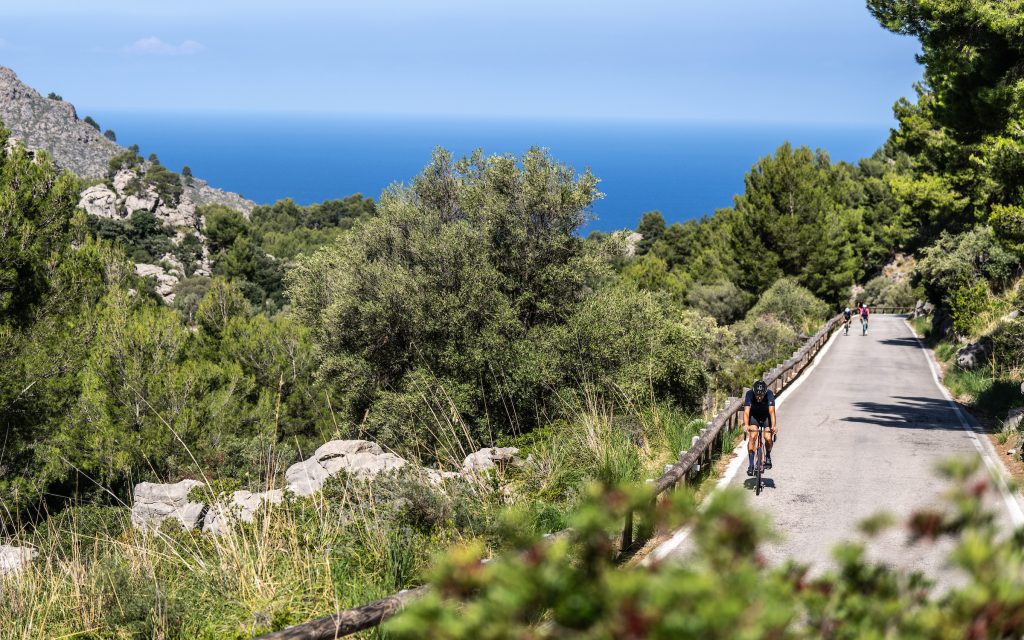
Another distinguishing aspect is its location. Puig Major is part of the Serra de Tramuntana, a UNESCO World Heritage Site, and the route offers views over the Cúber reservoir and the surrounding mountain peaks. The combination of sporting challenge and scenic beauty makes this col a must for every advanced cyclist in Mallorca.
Which climbing route is suitable as a training route for a training camp?
For a training camp in Mallorca, the route via Puig Major and Sa Calobra is the most complete choice for advanced cyclists. This combination delivers more than 2,000 meters of elevation gain in a single ride and trains both endurance and strength. Cap de Formentor is an excellent addition for a separate training day focused on pacing and wind resistance.
A well-structured training camp spreads the hard climbs across the week so that recovery and progression go hand in hand. A commonly used schedule looks like this:
- Day 1: Arrival and a relaxed exploratory ride along the coast
- Day 2: Puig Major as the first major effort
- Day 3: Active recovery with a flat or lightly rolling route
- Day 4: Sa Calobra as the highlight of the camp
- Day 5: Cap de Formentor for the final challenge
- Day 6: Easy closing ride and recovery
This structure gives you the space to tackle each climb to the fullest without burning yourself out prematurely. Combine the routes with sufficient sleep, good nutrition, and a solid bike to get the most out of your training camp.
When is the best season to climb the cols in Mallorca?
The best season for climbing routes in Mallorca is spring, from March through May, and autumn, from September through November. During these periods, temperatures are pleasant for intensive effort, traffic is limited, and the roads are in good condition. Summer is too hot for hard climbs, and winter can be cold and wet at altitude.
In spring you benefit from temperatures between 15 and 22 degrees Celsius, which is ideal for climbing. It is no coincidence that many professional cycling teams choose February and March to do their spring preparation in Mallorca. In 2026, the early spring months are once again popular, partly because the roads are still relatively quiet then.
Autumn offers similar conditions and has the added advantage that the island is somewhat quieter after the summer season. The light conditions in September and October are also particularly beautiful for long rides in the Tramuntana. Those who are flexible with planning often have more freedom on the popular climbing routes in autumn.
What bike do you need for the tough climbing routes in Mallorca?
For the tough climbing routes in Mallorca you need a lightweight carbon road bike with a compact chainset. A bike weighing under 7.5 kilograms with a low gear of at least 34×32 gives you the freedom to climb Sa Calobra and Puig Major efficiently without overloading your knees. A good fit is at least as important as the weight of the bike.
Advanced cyclists who do not bring their own bike would do well to rent a high-quality carbon road bike that is specifically set up to their body measurements. A poorly fitted bike quickly leads to injuries or loss of power on long climbs. Also make sure the bike is equipped with good brakes, as the descents in Mallorca are technical and demand reliable braking power.
How Rompelberg helps you ride the finest climbing routes in Mallorca
We understand what advanced cyclists need to get the most out of their climbing routes in Mallorca. At Rompelberg Cycling Holidays we combine more than 30 years of local knowledge with a fleet of more than 800 high-quality bikes, so you can focus entirely on the climb. Here is what we arrange for you:
- Custom carbon road bikes: We offer high-quality carbon road bikes, including models from Wilier such as the Filante SLR and the Cento10, professionally fitted to your body measurements
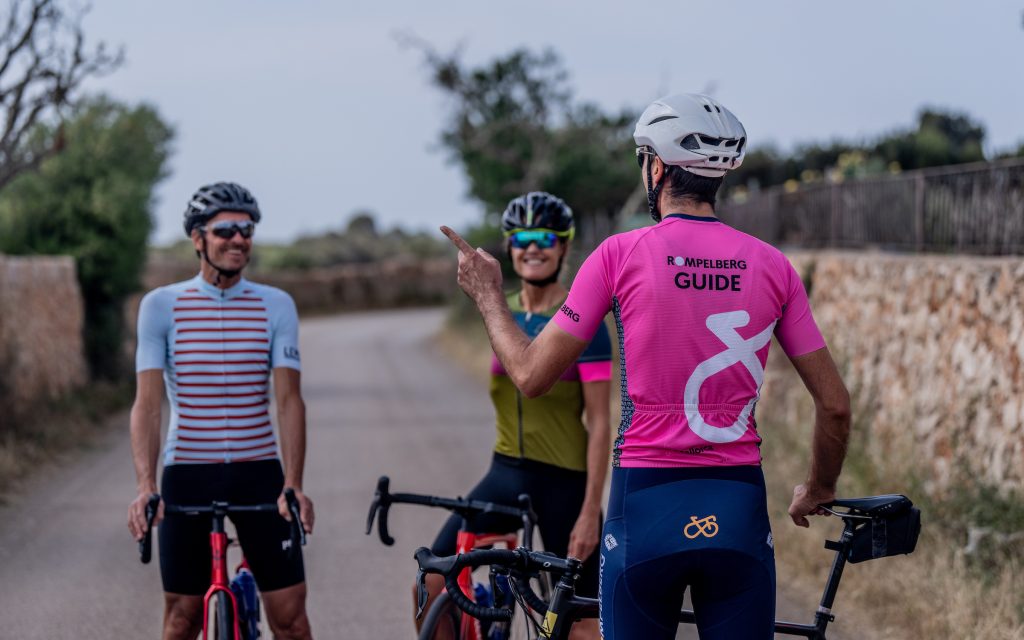
- Guided group rides: Through our Breakaway group you ride together with other competitive cyclists at the right pace along Sa Calobra, Puig Major, and Cap de Formentor
- Complete training camp packages: From flights and hotel to bike rental and guidance, we arrange everything so you only have to ride
- Experienced mechanics on site: In our hotels in Playa de Palma and Playa de Muro there is always a workshop with experienced mechanics ready to help
- Flexible options: Prefer to plan your own route? We also offer standalone bike rental and tailored advice without having to book a full package
Ready to take on the climbs in Mallorca? Get in touch with us and we will help you put together a training camp that perfectly matches your level and ambitions.