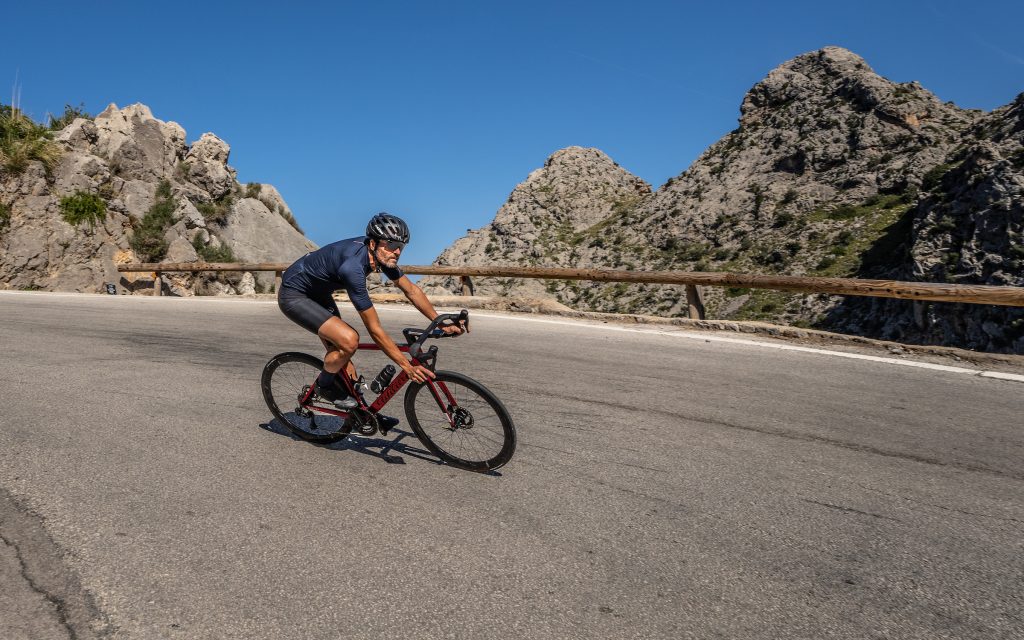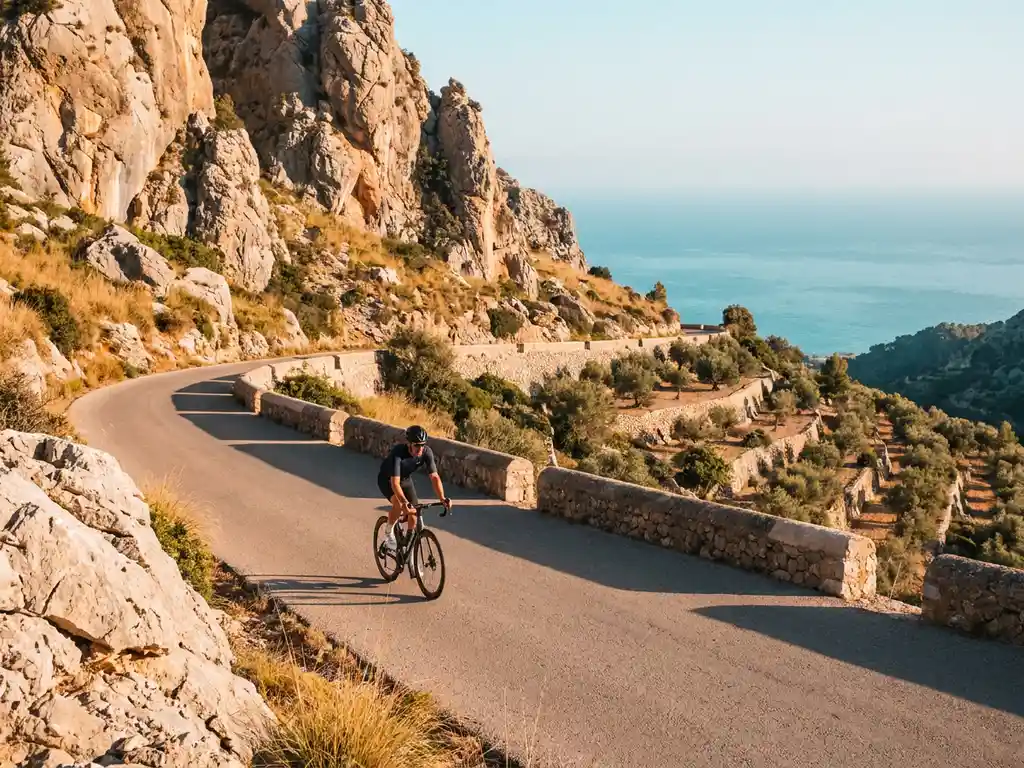
The most effective way to avoid busy roads on a cycling holiday in Mallorca is to stick to the island’s interior routes, cycle early in the morning, and use GPS tools or local knowledge to plan your ride before you set off. Mallorca has a well-developed network of quieter roads that most tourist traffic never touches, making it entirely possible to enjoy long, peaceful rides without sharing the tarmac with coaches and hire cars. The sections below answer the most common questions cyclists ask when planning a traffic-free ride on the island.
Which roads on Mallorca are the most congested for cyclists?
The busiest roads for cyclists on Mallorca are the coastal routes around the Bay of Palma, the Ma-1 motorway corridor, and the popular tourist stretch between Palma and Andratx. The road through Port de Sóller and sections of the Ma-10 mountain route also attract heavy traffic during peak season, particularly between mid-morning and early afternoon when tour buses and rental cars are most active.
In 2026, Mallorca continues to draw millions of visitors each year, and the roads that connect the island’s most photographed spots bear the brunt of that footfall. The coastal road between Cala Millor and Artà in the east, while scenic, can become surprisingly congested during summer weekends. Similarly, the approach roads into Valldemossa and Deià see steady tourist traffic throughout the day. If you are planning a cycling holiday in Mallorca, these are the corridors worth avoiding during peak hours or replacing with alternative inland routes altogether.
What are the quietest cycling routes in Mallorca’s interior?
The quietest cycling routes on Mallorca run through the central plain known as Es Pla, connecting small agricultural towns like Sineu, Petra, Llucmajor, and Campos via narrow country roads that see very little motor traffic. These flat to gently rolling roads offer excellent surfaces, open views across almond and olive groves, and almost no tourist vehicles.
For cyclists who prefer the mountains without the crowds, the roads around the Serra de Tramuntana’s less-visited eastern flanks offer a compelling alternative to the famous but busier Sa Calobra climb. Routes linking Orient, Alaró, and Bunyola wind through pine forests and past old stone walls, giving you the sensation of riding through a completely different Mallorca. These are genuinely among the best cycling roads on Mallorca for anyone who values calm over spectacle.
The southeast of the island is another underused gem. Roads around Santanyí, Ses Salines, and the Cap de ses Salines peninsula are flat, well-surfaced, and largely free of heavy traffic even during high season. They connect easily with each other, making it straightforward to build a full day’s ride without touching a single busy road.
When is the best time of day to cycle on Mallorca’s busier roads?
The best time to cycle on Mallorca’s busier roads is before 9:00 in the morning. Tourist traffic, hire cars, and delivery vehicles all build significantly after that hour, and the window between sunrise and 9:00 gives you the clearest roads of the day, combined with cooler temperatures and softer light.
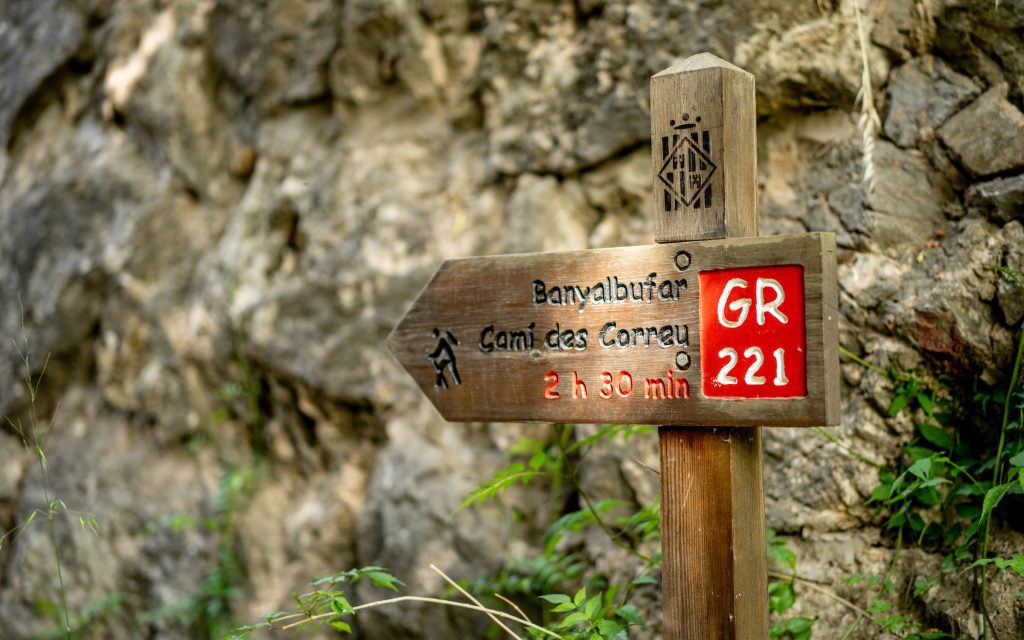
If you want to ride a famous route like the Sa Calobra ascent or the coastal road through Banyalbufar, an early start makes an enormous difference to the experience. By the time the tour buses arrive, you can already be at the top enjoying a coffee. Equally, late afternoon after 17:00 sees a noticeable drop in traffic as day-trippers return to their hotels, giving you a second usable window for cycling on Mallorca’s more popular roads.
Midday riding on busy roads is best avoided entirely during June, July, and August, both because of traffic density and because temperatures regularly exceed 30 degrees Celsius. Planning your rides around the early morning window is not just a traffic strategy but a comfort and safety decision too.
How do cycling apps and GPS tools help find quiet roads on Mallorca?
Cycling apps and GPS tools help you find quiet roads on Mallorca by filtering routes based on road type, surface quality, and popularity data gathered from other cyclists. Apps like Komoot, Strava, and Wahoo’s route planner all allow you to select cycling-specific roads and avoid main highways, drawing on real-world data from thousands of riders who have already mapped the island’s quieter lanes.
Komoot is particularly well-suited to Mallorca because its routing algorithm prioritises dedicated cycling roads and gravel tracks, and its community highlights feature lets you see which routes other cyclists have rated highly. You can download routes for offline use before you leave home, which is useful if you plan to ride in areas with patchy mobile coverage.
Strava’s route builder overlays a heatmap of where cyclists actually ride, which is a practical way to identify roads that the local cycling community already favours. If a road appears bright on the heatmap, it is likely a well-established Mallorca bike route that other riders have found enjoyable and manageable. Combining this with satellite view on Google Maps to check road width and surface gives you a reliable picture before you even clip in.
If you prefer not to plan everything yourself, you are welcome to contact us for personalised route advice based on your level and the areas you want to explore.
Should you join a guided group ride to avoid traffic on Mallorca?
Yes, joining a guided group ride is one of the most reliable ways to avoid traffic on Mallorca. Experienced local guides know which roads are quiet at which times, and they plan routes that sidestep the busiest corridors by default. You benefit immediately from years of local knowledge without needing to research routes yourself.
We organise guided group rides on Mallorca five days a week, with groups structured by pace and distance so you ride with people at a similar level. Our Easy Riders group, for example, covers 50 to 60 kilometres at around 20 kilometres per hour, following carefully selected routes that prioritise enjoyment and scenery over speed. These rides are designed specifically for cyclists who want to explore the island’s quiet cycling routes without the stress of navigating traffic or planning every turn themselves.
Beyond the practical traffic advantage, riding in a group also adds a natural safety buffer on roads where occasional vehicles do appear. Drivers are more aware of a visible group than a lone cyclist, and having a guide at the front and rear of the group means the pace and road positioning are managed throughout. You can explore more about the iconic climbs on the island as part of a guided experience if you want to tackle the famous ascents without the uncertainty of going it alone.
For cyclists visiting Mallorca for the first time, a guided ride on day one is a practical way to get your bearings, learn which roads to favour, and then apply that knowledge to your independent rides for the rest of the week.