You recover faster between cycling stages by combining smart nutrition immediately after each ride, quality sleep, and targeted active recovery. The key is treating recovery as structured training in itself, not as passive downtime. For competitive cyclists on a cycling holiday, getting this right determines whether you perform well on day five or fade badly before the week is out. Below, each question unpacks a specific piece of the recovery puzzle.
What slows down recovery between cycling stages?
The biggest obstacles to fast cycling recovery are glycogen depletion, muscle micro-damage, dehydration, and poor sleep. When you combine all four across consecutive days of hard riding, the cumulative effect compounds quickly. Most cyclists underestimate how much a single bad recovery night or skipped post-ride meal delays their readiness for the next stage.
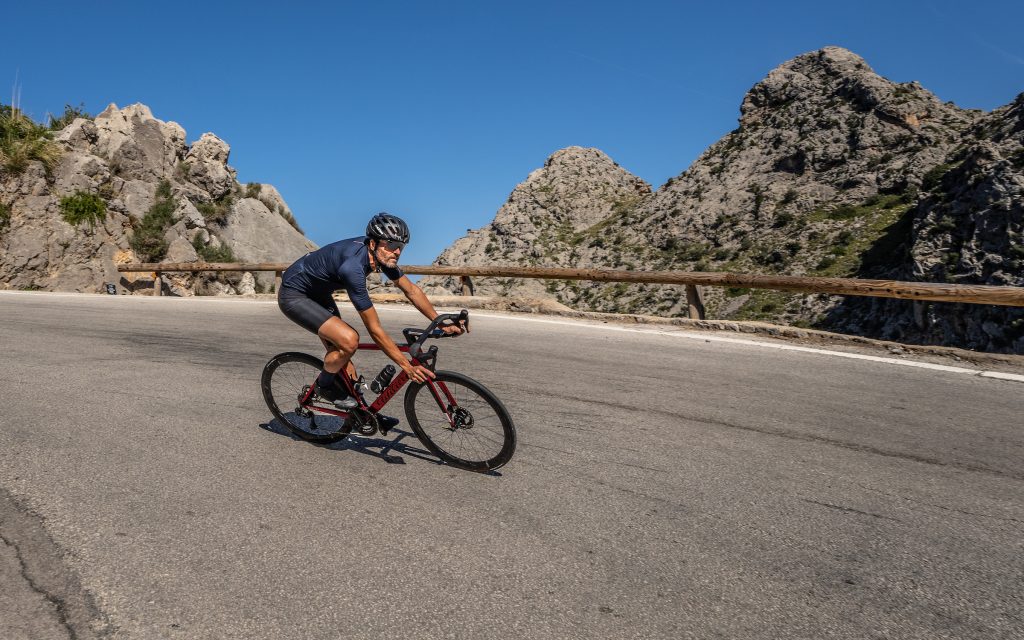
Glycogen stores in the muscles and liver are your primary fuel source during sustained efforts. After a demanding stage, those stores can be significantly depleted, and without deliberate replenishment, they will still be low when you clip in the next morning. Muscle micro-tears from repeated pedalling efforts, especially on climbs like Sa Calobra or Puig Major, create inflammation that needs time and nutrients to resolve.
Dehydration is a less obvious but equally damaging factor. Even mild fluid deficits reduce blood plasma volume, which slows nutrient delivery to muscles and impairs the removal of metabolic waste products. On a cycling holiday in Mallorca, sweat losses are higher than many northern European cyclists expect, making consistent hydration across the full day critical, rather than just during the ride itself.
What should you eat and drink after a hard cycling stage?
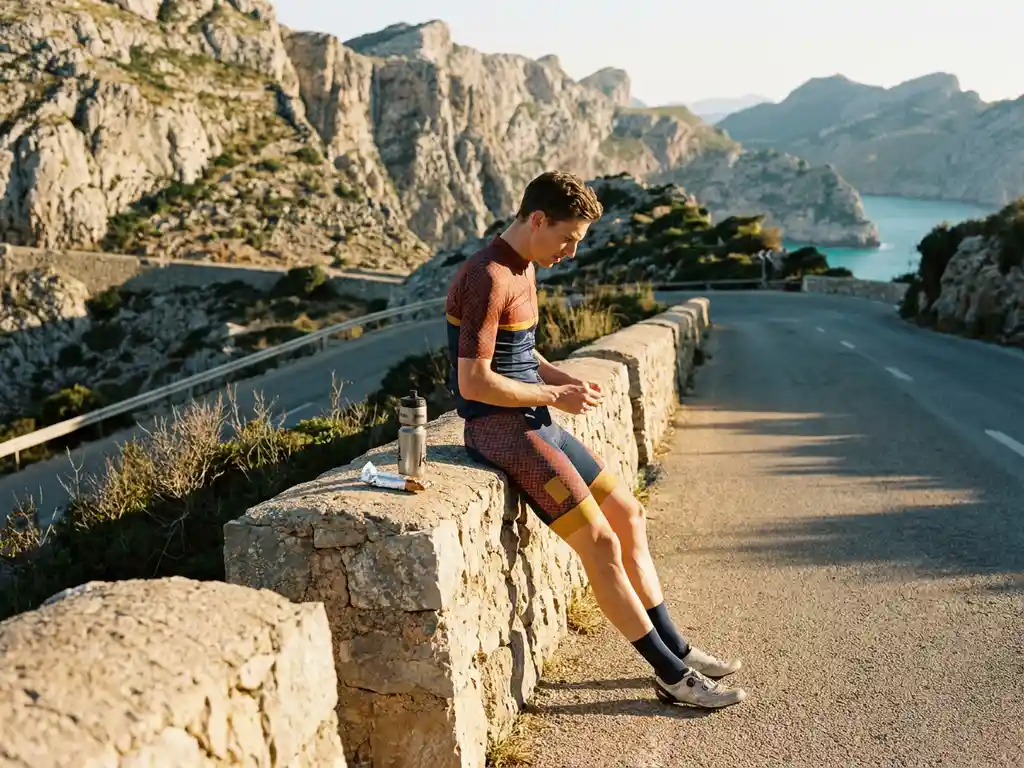
After a hard cycling stage, eat a combination of fast-absorbing carbohydrates and quality protein within 30 to 45 minutes of finishing. This window is when muscle cells are most receptive to glycogen resynthesis and protein synthesis. Aim for a ratio of roughly three to four grams of carbohydrate for every one gram of protein in your immediate post-ride meal or recovery snack.
Practical options include rice with chicken or fish, a large pasta dish with lean protein, or a recovery shake followed by a proper meal within two hours. Do not rely on the recovery shake alone. Whole food meals provide micronutrients, antioxidants, and fibre that support the broader recovery process beyond just refuelling muscle glycogen.
For hydration, water alone is often insufficient after a long, sweaty stage. Sodium lost through sweat needs to be replaced to support fluid retention and nerve function. Adding electrolyte tablets to your water, eating salty foods, or drinking a sports drink alongside your post-ride meal helps restore the electrolyte balance that plain water cannot address on its own.
How does sleep quality affect cycling recovery?
Sleep is the single most powerful recovery tool available to cyclists. During deep sleep, the body releases growth hormone, repairs muscle tissue, consolidates motor patterns learned during training, and reduces systemic inflammation. Poor or insufficient sleep between stages will undermine every other recovery strategy you apply.
Aim for at least seven to nine hours per night during a multi-day cycling holiday. Quantity matters, but so does quality. Alcohol, even in moderate amounts, significantly disrupts sleep architecture by suppressing REM sleep and causing earlier waking. Given that a glass of wine or a beer after dinner is a natural part of holiday culture, it is worth knowing that even one or two drinks can reduce the restorative depth of your sleep that night.
Keep your room cool and dark, avoid screens for at least 30 minutes before bed, and try to maintain a consistent sleep and wake time across the week. Jet lag or travel disruption at the start of a cycling trip can also set your sleep rhythm back by a day or two, so arriving a day before your first stage is a worthwhile investment. If you would like to know more about how we structure our programmes, feel free to visit our about us page.
Should you do active recovery or complete rest between stages?
Between consecutive cycling stages, light active recovery is generally more effective than complete rest for most cyclists. A short, easy spin of 20 to 40 minutes at very low intensity increases blood circulation without adding meaningful training stress, helping to flush metabolic waste products from fatigued muscles and reduce next-day soreness.
Complete rest is appropriate when you are dealing with a genuine injury, illness, or extreme fatigue that goes beyond normal training tiredness. If your legs feel heavy but not painful, and your motivation is intact, a gentle recovery ride will serve you better than lying still all day.
The key word is easy. Active recovery only works if the intensity stays genuinely low, well below your aerobic threshold. Many competitive cyclists struggle with this because the instinct is to push. On a sportive cycling holiday where the roads are beautiful and the climbs are tempting, discipline during recovery rides is as important as effort during the main stages.
What stretching and body care routines speed up recovery?
Post-ride stretching, foam rolling, and cold or contrast water therapy are the three most effective body care routines for speeding up cycling recovery between stages. Used consistently, they reduce muscle stiffness, improve range of motion, and help manage the inflammation that accumulates across a week of hard riding.
Stretching and mobility work
Focus your stretching on the hip flexors, hamstrings, glutes, and lower back, which absorb the most stress during long cycling stages. Hold each stretch for 30 to 60 seconds and avoid aggressive or bouncing movements immediately after a hard ride when muscles are still warm and vulnerable. Ten to fifteen minutes of deliberate stretching in the evening is more valuable than a rushed session straight off the bike.
Foam rolling and cold water therapy
Foam rolling the quadriceps, IT band, and calves helps break up tension and improve tissue quality over the course of a week. Cold water immersion or contrast showers, alternating between cold and warm water, are widely used by professional cyclists to reduce perceived muscle soreness and support circulation. Even a cool shower after a hot stage day can make a meaningful difference to how your legs feel the following morning.
How do you manage recovery across a full week of cycling stages?
Managing recovery across a full week of cycling stages requires planning your effort distribution, not just your daily recovery habits. Structure your week so that the hardest stages fall on days two, three, and four, with lighter days or a planned rest day in the middle of the week and again toward the end. This prevents cumulative fatigue from peaking too early and allows you to finish the week strongly.
Track how your body is responding each morning. An elevated resting heart rate, persistent heavy legs, disrupted sleep, or reduced motivation are early warning signs that recovery is falling behind training load. Responding to those signals by reducing intensity or taking an unplanned rest day is not a setback. It is smart training management.
On a cycling holiday in Mallorca with a structured programme, we design the weekly schedule with recovery built in, so you are not left guessing when to push and when to hold back. Our guided groups and experienced team help competitive cyclists get the most from every stage without digging themselves into a hole by midweek. The goal is to arrive at the final stage feeling as capable as possible, not just surviving it. If you are ready to plan your next trip, do not hesitate to contact us and we will help you find the right programme.