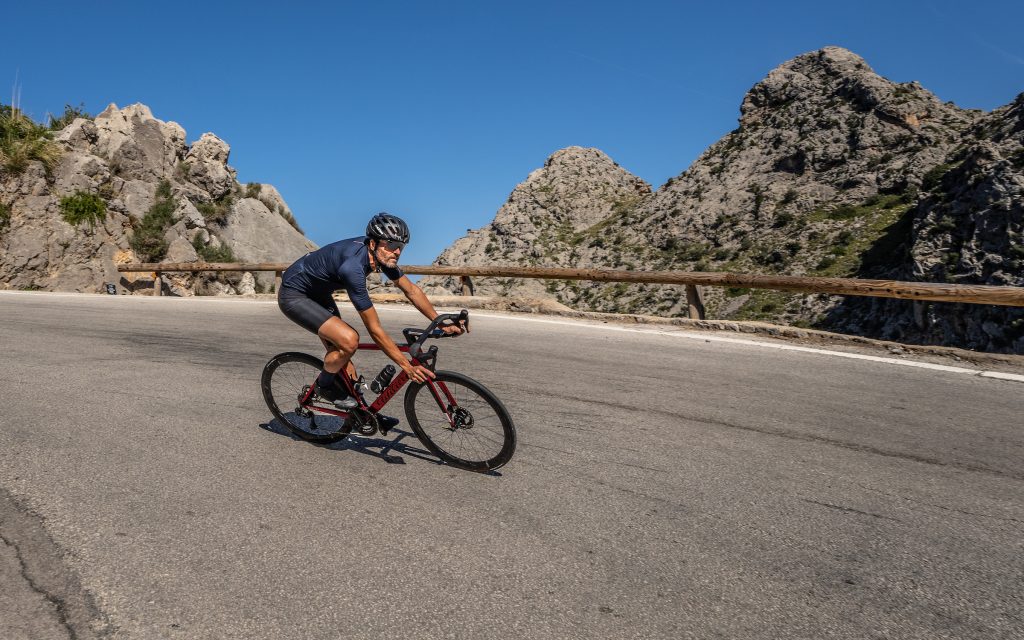
The best nutrition strategy for a multi-day sportive cycling holiday combines high carbohydrate intake before and during rides, consistent protein consumption for recovery, and disciplined hydration across every day of riding. For competitive cyclists and those tackling demanding routes, the margin between feeling strong on day four and hitting the wall entirely comes down to how consistently you fuel. The sections below break down each element of that strategy, from calorie targets to hydration planning.
How many calories do you actually need on a multi-day cycling holiday?
On a multi-day sportive cycling holiday, most active cyclists need between 3,000 and 5,000 calories per day, depending on ride duration, intensity, and body weight. A four-hour mountain stage at moderate effort burns roughly 2,000 to 2,500 calories on the bike alone, on top of your baseline metabolic needs. Underestimating this figure is one of the most common mistakes riders make.
The challenge with multi-day riding is cumulative fatigue. Your body does not fully replenish glycogen stores overnight unless you eat enough, which means arriving at day two or three already depleted. Riders tackling iconic climbs like Sa Calobra or Puig Major on a cycling holiday in Mallorca should plan their calorie intake as seriously as their training plan.
A practical approach is to track your intake loosely for the first day and adjust based on hunger signals and energy levels. If you feel flat during the second morning warm-up, you almost certainly under-ate the day before. Err on the side of eating more, not less, especially during the first half of the holiday when your body is still adapting to the volume.
What should you eat before a long cycling stage?
Before a long cycling stage, eat a carbohydrate-rich meal two to three hours before you start, aiming for 1 to 1.5 grams of carbohydrate per kilogram of body weight. Oats, white rice, toast with honey, or a banana with yogurt are all effective options. Keep fat and fibre relatively low to avoid digestive discomfort on the bike.
If your start time is early, as is common on cycling holidays in warm climates, you may need to eat closer to 60 to 90 minutes before riding. In that case, reduce the portion and choose easily digestible foods like white bread with jam, a rice cake, or a small bowl of porridge. A strong coffee can also prime your nervous system and improve early-stage alertness without burdening your gut.
Avoid experimenting with unfamiliar foods the morning of a big stage. Stick to what your body knows, particularly before rides with significant climbing, where digestive discomfort can derail an otherwise well-prepared effort.
How do you fuel properly while riding for several hours?
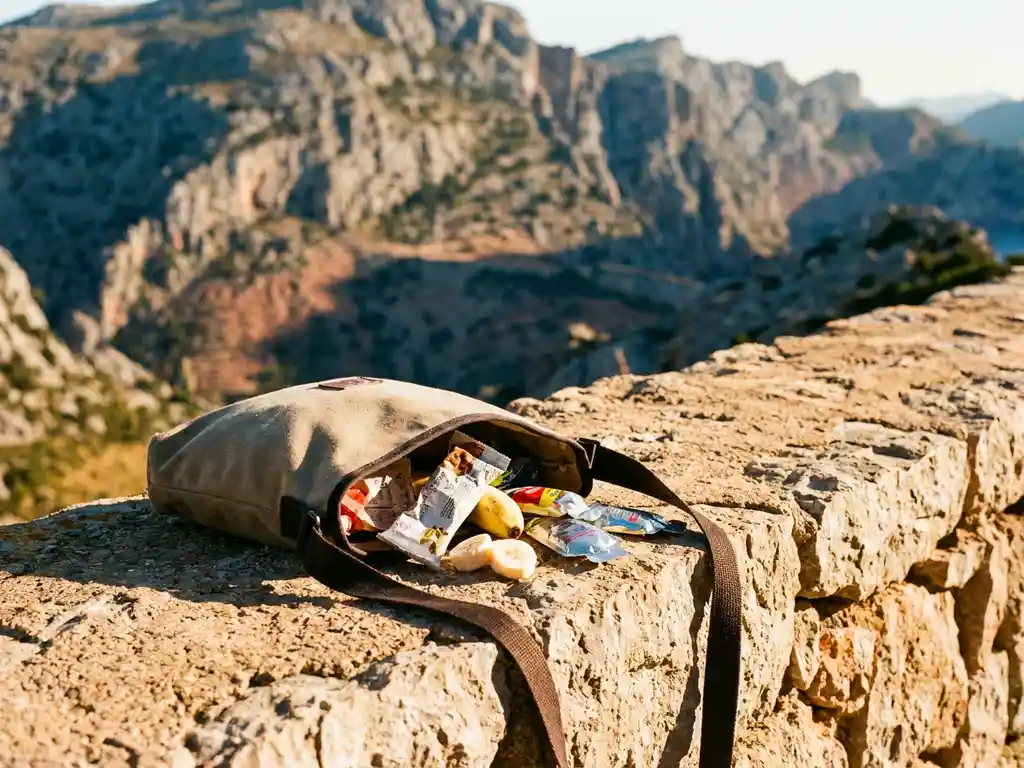
During rides lasting more than 90 minutes, aim to consume 60 to 90 grams of carbohydrate per hour. This can come from energy gels, bars, bananas, rice cakes, or a combination of sources. Start eating within the first 30 to 45 minutes, before hunger sets in, because by the time you feel empty, it is already too late to recover quickly.
Variety matters more than people expect on multi-day rides. If you rely exclusively on gels, palate fatigue can make eating feel like a chore by day three. Mixing real food with sports nutrition products keeps intake consistent. Many riders find that savoury options like salted crackers or a small sandwich become more appealing mid-ride than sweet gels, especially in warm conditions.
On hilly routes, time your eating around the terrain. Eat on the flat sections or gentle descents, not when you are grinding up a steep climb. This keeps your breathing steady and ensures your body can actually process what you are taking in.
What is the best recovery nutrition after a hard cycling day?
The best recovery nutrition after a hard cycling day combines fast-acting carbohydrates and protein within 30 to 45 minutes of finishing your ride. A ratio of roughly three to four grams of carbohydrate for every one gram of protein is widely recommended. A recovery shake, chocolate milk, Greek yogurt with fruit, or a rice dish with chicken all fit this window effectively.
After that initial recovery window, your evening meal becomes the foundation for the next day’s performance. Prioritise a carbohydrate-heavy dinner with a moderate protein source and plenty of vegetables. Pasta, rice, or potatoes with lean meat or fish are reliable choices that most hotels catering to cyclists will offer.
Sleep is also part of recovery nutrition in the broader sense. Your body synthesises protein and replenishes glycogen most efficiently during deep sleep, so a small casein-rich snack before bed, such as cottage cheese or a glass of milk, can meaningfully support overnight recovery on demanding multi-day trips. To learn more about how our holidays are structured to support recovery, visit our about us page.
Should you use supplements or stick to whole foods on a cycling holiday?
On a sportive cycling holiday, a combination of whole foods and targeted sports nutrition products is more practical than relying on either alone. Whole foods provide micronutrients, fibre, and satiety that gels and powders cannot replicate. But during rides, the convenience and digestibility of sports nutrition products make them genuinely useful tools, not just marketing.
The supplements worth considering are limited to a short list. Electrolyte tablets or powders help replace sodium and magnesium lost through sweat, particularly in warm climates. Caffeine, whether from coffee or a gel, is one of the most evidence-backed performance aids available. A protein supplement can be useful if your hotel meals do not reliably provide enough, though this is rarely a problem on well-organised cycling holidays.
Skip the more exotic supplements unless you already use them at home. Introducing new products mid-holiday risks digestive issues at the worst possible time. The principle is simple: use supplements to fill genuine gaps, not to replace the solid nutrition foundation that whole foods provide.
How does hydration strategy change across multiple riding days?
Hydration strategy on a multi-day cycling holiday must account for cumulative fluid loss, not just single-day intake. On day one, most riders manage hydration reasonably well. By day three or four, especially in warm conditions, small daily deficits compound into meaningful dehydration that impairs both performance and recovery. Drinking to thirst alone is not sufficient when riding daily in the heat.
A practical target is 500 to 750 millilitres of fluid per hour on the bike, adjusted upward in high temperatures or on climbs where sweat rate increases. Off the bike, continue drinking steadily throughout the day. A simple check is urine colour: pale yellow indicates adequate hydration; dark yellow or amber means you need to drink more before the next stage.
Electrolytes become increasingly important as the holiday progresses. Plain water alone does not replace the sodium lost through repeated heavy sweating, and low sodium levels can cause fatigue, cramping, and headaches that are often mistaken for general tiredness. Adding an electrolyte product to at least one bottle per ride, and salting your meals generously, helps maintain the balance that keeps you riding strongly through the final days of your trip.
Planning a sportive cycling holiday with the right support around you makes it easier to execute a solid nutrition strategy. We at Rompelberg Cycling Holidays ensure that riders have access to everything they need on and off the bike, so the only thing left to focus on is the riding itself. If you have questions about our nutrition support or holiday packages, feel free to reach out via our contact page.