Mallorca is considered the best road bike vacation destination in Europe because it combines exceptional road quality, a near-perfect cycling climate, dramatic mountain terrain, and a well-established cycling infrastructure that few other islands or regions can match. The island caters to every level of rider, from relaxed tourers to elite athletes, making it a genuinely universal choice for a fietsvakantie Mallorca. Below, we answer the most common questions cyclists ask before booking their trip.
What makes Mallorca’s roads so ideal for road cycling?
Mallorca’s roads are ideal for road cycling because they combine smooth, well-maintained tarmac with an extraordinary variety of terrain, from flat coastal routes to challenging mountain passes, all within a relatively compact island that is easy to navigate. Traffic is manageable outside the peak summer months, and the dedicated cycling culture means drivers are accustomed to sharing the road with large groups of riders.
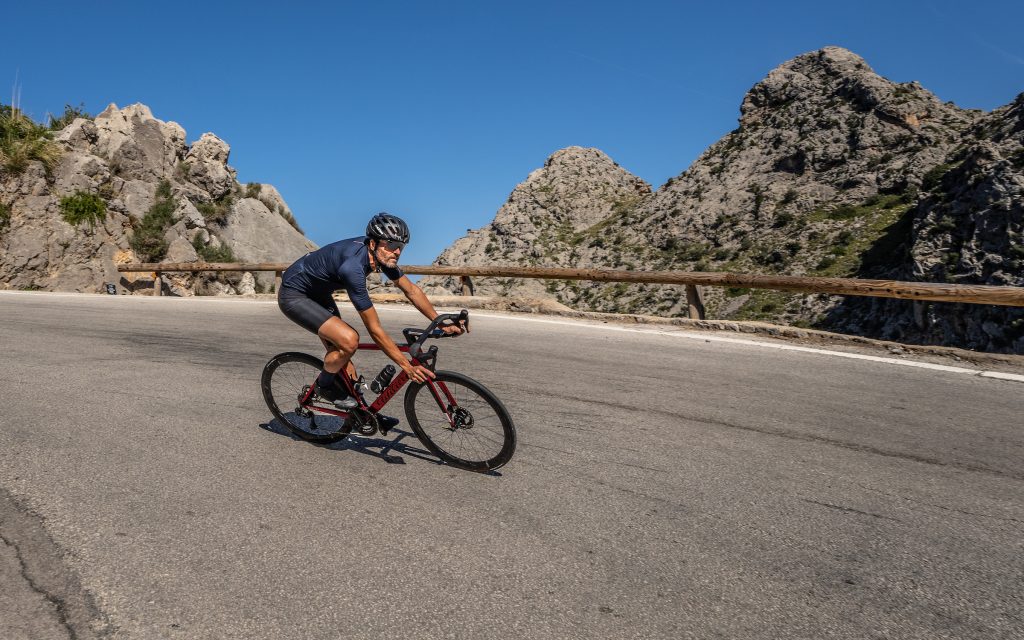
The Serra de Tramuntana mountain range in the northwest is the centrepiece of Mallorca‘s appeal. Its winding roads climb through pine forests and limestone cliffs, offering technical descents and sustained ascents that rival anything found on the European mainland. Meanwhile, the flat plains of the interior and the eastern coastline provide gentler riding for those who prefer distance over elevation. This variety within a single island is rare and is a core reason why a sportieve fietsvakantie on Mallorca suits riders of every ability.
The island also benefits from a well-developed cycling economy. Bike shops, cafes with cyclist-friendly menus, and routes that are clearly documented and widely ridden mean you spend less time planning and more time pedalling.
When is the best time of year to cycle in Mallorca?
The best time to cycle in Mallorca is from February through May and again from September through November. During these shoulder seasons, temperatures typically sit between 15 and 25 degrees Celsius, roads are quieter than in peak summer, and the landscape is at its most vivid. Spring in particular has become the traditional season for cycling holidays across Europe.
February and March see a surge of professional teams and serious amateur riders using the island as a pre-season training base. The roads are busy with cyclists but relatively free of tourist traffic, making it an ideal window for long, uninterrupted training days. Autumn offers similar conditions with the added bonus of post-summer warmth and quieter accommodation.
July and August are the least recommended months for serious cycling. Temperatures regularly exceed 35 degrees Celsius, tourist traffic increases significantly, and the physical demands of riding in intense heat make it unsuitable for structured training or long-distance touring. If summer is your only option, early morning starts and shorter routes are essential.
Which iconic cycling climbs should every road cyclist tackle in Mallorca?
Every road cyclist visiting Mallorca should tackle Sa Calobra, Puig Major, and Cap de Formentor. These three climbs are the benchmarks of cycling on the island and represent the full range of challenges the Serra de Tramuntana has to offer. They appear on bucket lists for good reason and are central to what makes a racefiets vakantie on Mallorca so memorable.
Sa Calobra
Sa Calobra is arguably the most famous climb in Mallorca and one of the most photographed roads in European cycling. The descent to the cove involves a series of tight hairpins, including the extraordinary loop where the road passes beneath itself. The return climb is demanding, with sustained gradients that test both legs and mental resolve. It is not the longest climb on the island, but it is the most dramatic.
Puig Major and Cap de Formentor
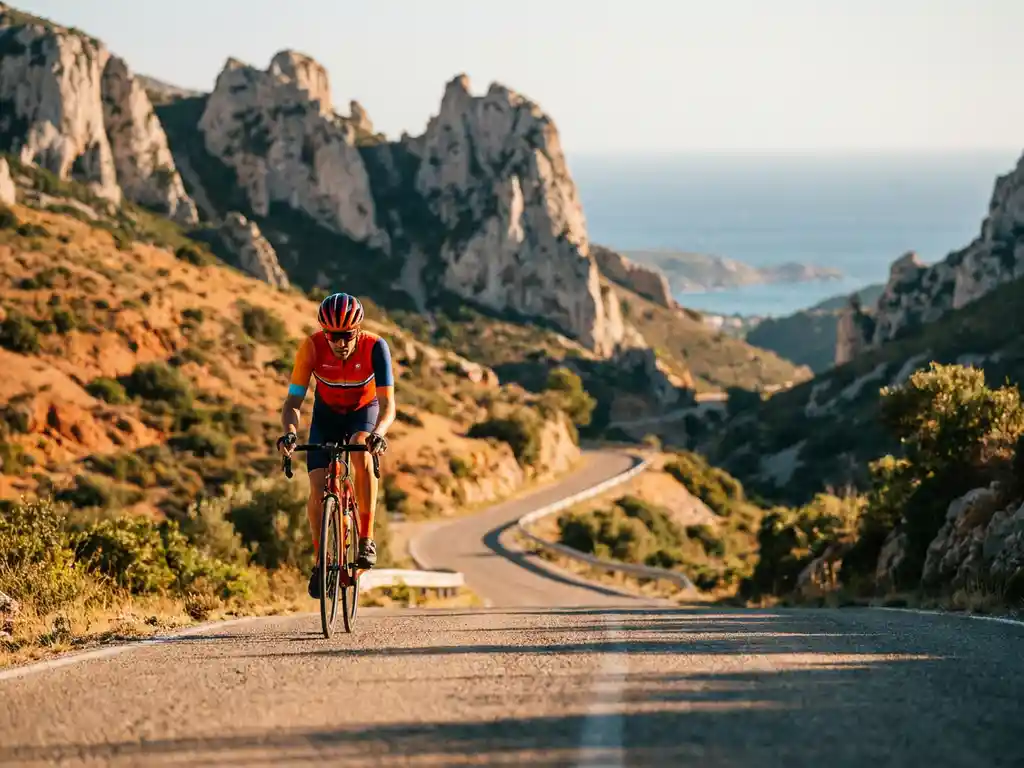
Puig Major is the highest point accessible by road in Mallorca and forms a natural pairing with Sa Calobra on a classic loop from Port de Soller or Soller. The gradients are consistent and the views across the reservoir and mountain range are spectacular. Cap de Formentor, at the northeastern tip of the island, offers a different kind of challenge: a long, exposed road with sea views on both sides that rewards riders with a lighthouse at the end and a fast descent back to Port de Pollenca.
How does Mallorca compare to other popular European cycling destinations?
Mallorca compares favourably to other popular European cycling destinations because it concentrates mountain terrain, coastal roads, and reliable weather into a compact, accessible island with excellent flight connections from across Europe. Unlike destinations such as the Pyrenees or the Alps, you do not need to drive hours between climbs or worry about unpredictable mountain weather for most of the year.
Compared to Tenerife, which is also a popular winter training island, Mallorca offers more variety in road character and a broader range of accommodation and services specifically tailored to cyclists. Tenerife’s Mount Teide is a singular iconic climb, whereas Mallorca provides dozens of distinct routes across different landscapes.
The Alpe d’Huez region or the Dolomites offer more raw elevation and legendary Tour de France history, but they are seasonal destinations with a much shorter viable riding window. Mallorca’s extended season, from February through November, gives it a practical advantage for anyone planning a structured fietsvakantie rather than a one-off adventure.
What should road cyclists look for when choosing a base in Mallorca?
Road cyclists should look for a base that offers direct access to cycling routes, secure bike storage, proximity to a workshop or mechanic, and a location that suits the type of riding they plan to do. The two most popular bases for cyclists are Playa de Palma in the south and Playa de Muro in the north, each offering a different gateway to the island’s routes.
Playa de Palma is well connected to the flat coastal roads heading east and provides a good starting point for day trips into the mountains. It is a lively area with plenty of amenities and is particularly convenient if you are flying into Palma Airport. Playa de Muro, on the northern bay, sits closer to the Serra de Tramuntana and is the natural choice for riders who want quicker access to climbs like Sa Calobra and Cap de Formentor.
Beyond location, the quality of bike storage matters enormously. A hotel with a locked, dedicated bike room and on-site mechanical support removes a significant layer of stress from a cycling trip. We at Rompelberg Cycling Holidays have carefully selected our hotels with exactly these priorities in mind, ensuring riders have secure storage, a fully equipped workshop, and experienced mechanics available throughout their stay.
Do you need to bring your own bike to Mallorca?
No, you do not need to bring your own bike to Mallorca. High-quality carbon road bikes are available to hire on the island, and for most riders, renting locally is more practical and cost-effective than paying airline bike fees, managing the risk of damage in transit, and reassembling the bike on arrival.
The quality of hire bikes available in Mallorca has improved dramatically in recent years. We offer a fleet of more than 800 bikes, including high-end Wilier models such as the Filante SLR and the Cento10, which are the kind of machines competitive riders and serious amateurs expect for a sportieve fietsvakantie. Bikes are set up to your measurements before you ride, and any adjustments or mechanical issues are handled on-site by our team of experienced mechanics.
That said, riders who are highly particular about their fit, saddle, or pedal system may prefer to travel with their own machine. In that case, a good travel case and careful packing will protect the bike during transit, and our workshop team can assist with reassembly on arrival. Whether you hire or bring your own, feel free to contact us with any questions before your trip — Mallorca’s roads will make the effort worthwhile.