From Playa de Muro, some of Mallorca’s most iconic cycling climbs are directly accessible. The village is located in the north of the island, a short cycling distance from the Serra de Tramuntana, the mountain range renowned for its spectacular cols and legendary ascents. In this article, we answer the most frequently asked questions about climbing from Playa de Muro, from the toughest cols to the best season.
Which climbs are accessible from Playa de Muro?
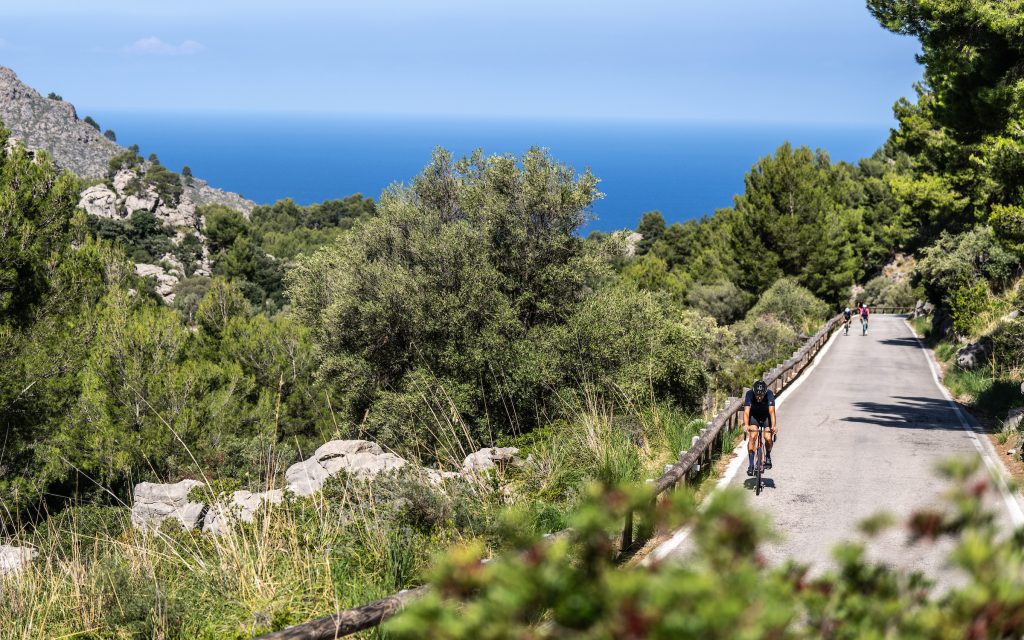
From Playa de Muro, several of Mallorca’s top climbs are directly accessible, including Sa Calobra, Puig Major, and Coll de sa Batalla. Its location on the north coast makes this an ideal starting point for cyclists who want to explore the Serra de Tramuntana without first having to ride kilometres through heavy traffic. Within an hour of cycling, you find yourself right in the heart of the mountain landscape.
The most popular climbing routes from Playa de Muro are:
- Sa Calobra via the coastal road towards Port de Sóller and the turn-off to Coll dels Reis
- Puig Major, the highest mountain in Mallorca, accessible via the MA-10
- Coll de sa Batalla, a lesser-known but challenging climb heading inland
- Cap de Formentor, technically a climb with stunning views over the Mediterranean Sea
Combining Sa Calobra and Puig Major in a single day is a classic challenge that many trained cyclists ride from Playa de Muro. The total distance quickly adds up to 100 to 130 kilometres, depending on the chosen return route.
How hard is the Sa Calobra climb?
Sa Calobra is one of the toughest and most famous climbs in Mallorca. The ascent via Coll dels Reis covers approximately 9.5 kilometres with an average gradient of 7 percent and peaks of up to 10 percent. The total elevation gain is around 670 metres. For trained cyclists, the climb takes an average of 45 to 75 minutes.
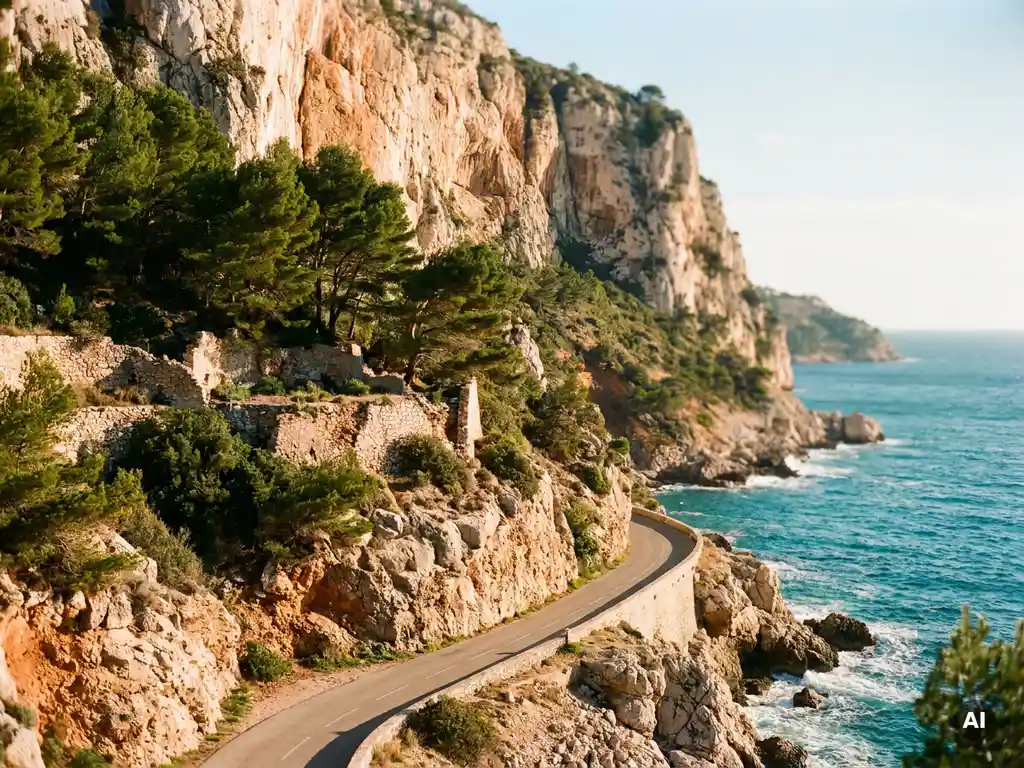
What makes Sa Calobra so special is not only the physical effort but also the technical challenge. The road winds through spectacular rock faces and features sharp hairpin bends, including the famous Nus de sa Corbata, a loop where the road literally passes over itself. The descent to the sea is breathtaking, but also demands good braking technique and concentration.
From Playa de Muro, you first ride towards Alcúdia and then along the coast via the MA-10 to the turn-off for Sa Calobra. The approach route itself already includes a fair amount of elevation gain, so you are well warmed up by the time the real climb begins.
What is the best route to Puig Major from the north?
The best route to Puig Major from the north runs via the MA-10, the scenic mountain road that follows the Serra de Tramuntana. From Playa de Muro, you ride via Alcúdia and Port de Pollença towards Pollença, after which you follow the MA-10 towards Lluc and then up to the summit at Puig Major. The climb itself begins in earnest after Coll de sa Batalla.
The ascent of Puig Major is the highest in Mallorca, rising to 1,445 metres. The route via the northern side is popular because you gain altitude gradually and enjoy panoramic views over the Bay of Pollença and the interior along the way. The road is well surfaced and relatively quiet in the early morning hours.
A popular combination is to ride Puig Major as the first climb of the day, followed by the descent towards the Cúber reservoir, and then continuing on to Sa Calobra. This is a demanding but unforgettable route that combines the absolute highlights of northern Mallorca.
What is the best season for climbing in northern Mallorca?
The best season for climbing in northern Mallorca is spring, from March through May, and autumn, from September through November. During these periods, temperatures are pleasant, the roads are less busy, and the scenery is at its most beautiful. The summer months are too hot for intensive climbing, especially in the afternoon.
In spring, the almond trees are in bloom and the mountain roads are still relatively quiet. Daytime temperatures range between 15 and 22 degrees, ideal for longer climbing rides. In autumn, the light is softer and the roads are quieter than during the summer peak, while temperatures remain comfortable for serious training.
The winter months of December to February are technically possible, but the higher mountain passes can be wet and cold. Professional cycling teams do train in Mallorca in January and February, but with adapted clothing and routes. For recreational and competitive cyclists, spring is by far the most attractive period to explore the climbing routes from Playa de Muro.
Which climbing route is most suitable for trained cyclists?
For trained cyclists, the combination of Puig Major and Sa Calobra in a single day is the most complete and challenging climbing route from Playa de Muro. This route combines the highest mountain in Mallorca with the most iconic climb on the island, delivering a total of more than 2,000 metres of elevation gain over a distance of 100 to 130 kilometres.
Those looking for an extra challenge can extend the route with Cap de Formentor as a warm-up climb at the start of the day. This adds another 200 metres of elevation gain and turns the ride into a full-blown queen stage. The route then looks as follows:
- Depart from Playa de Muro towards Cap de Formentor
- Return via Port de Pollença and the MA-10 towards Puig Major
- Descent towards Cúber and continue to Sa Calobra
- Return via the coastal road to Playa de Muro
This route requires a solid base fitness, sufficient food and water, and ideally familiarity with the roads. The climbs in Mallorca are demanding but offer a riding experience that few other destinations can match.
How we help you ride the finest climbing routes
We at Rompelberg Cycling Holidays know the climbing routes from Playa de Muro inside out. From our hotel in Playa de Muro, we support cyclists of all levels in planning and riding the finest ascents in northern Mallorca. Whether you want to ride Sa Calobra for the first time or are looking for a complete training week featuring Puig Major, Cap de Formentor, and more, we make sure everything is taken care of.
What we arrange for you:
- High-quality carbon rental bikes, including the Wilier Filante SLR and Cento10, perfectly fitted to your measurements
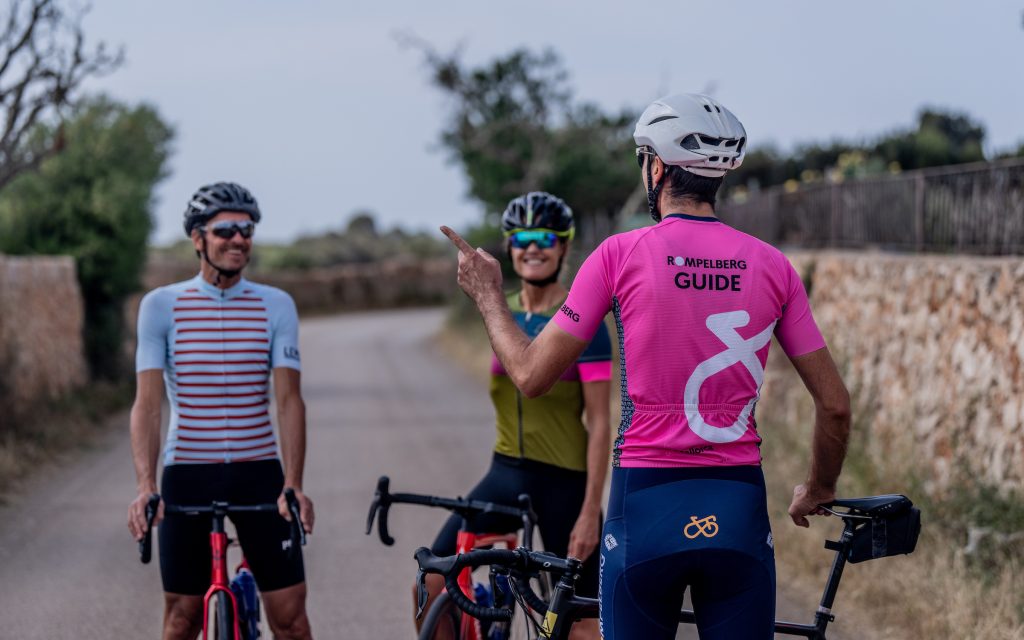
- Guided group rides with experienced guides who know the routes and manage the pace
- Complete cycling packages including flights, hotel, and bike, so all you have to do is pedal
- Personalised route advice based on your level and goals
- Technical support with an on-site workshop and mechanics
Ready to explore the climbing routes of Mallorca? Get in touch with us and we will help you put together a cycling holiday that perfectly matches your ambitions.