From Playa de Palma, some of Mallorca’s most beautiful and challenging climbing routes depart, including the legendary ascents to Sa Calobra and Puig Major. The location of Playa de Palma is ideal for cyclists: you ride straight onto the road and reach the iconic cols in the Serra de Tramuntana within a few hours. In this article, we answer the most frequently asked questions about mountain rides from Playa de Palma, from difficulty level to the best season.
Which cols are reachable from Playa de Palma?
From Playa de Palma, virtually all major cols in the Serra de Tramuntana are reachable by bike. The most well-known are Sa Calobra, Puig Major, Coll de Sóller, Coll de sa Batalla, and Cap de Formentor. Depending on your pace and fitness, you can reach the starting points of most of these climbs within one to two hours.
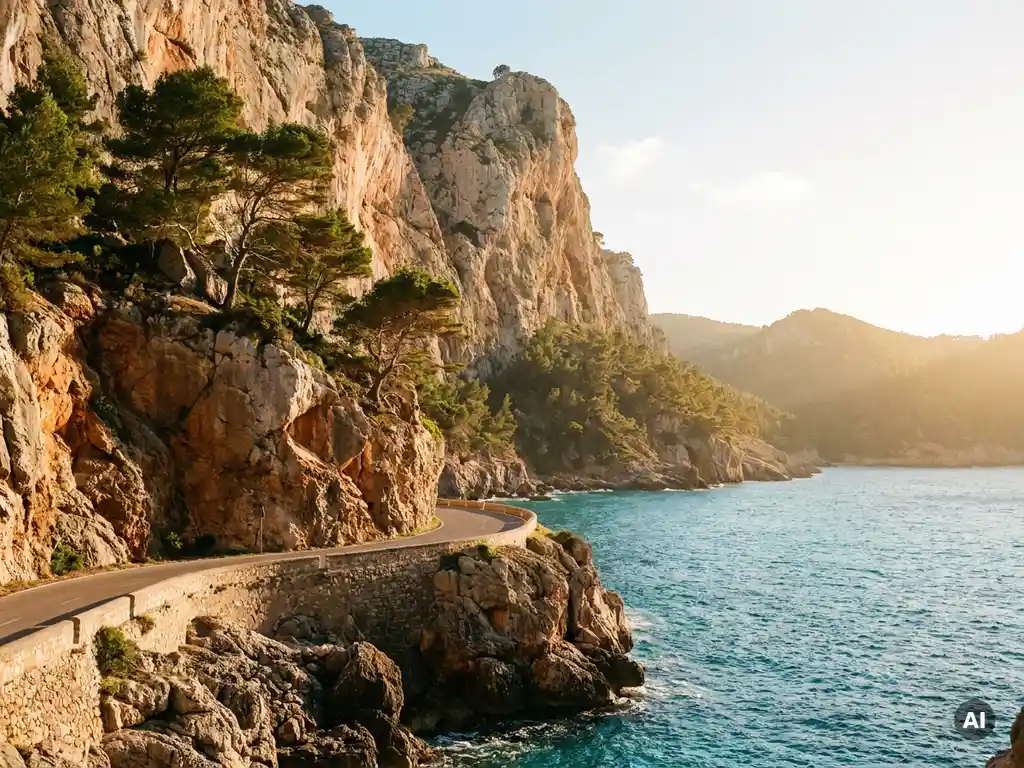
The route from Playa de Palma typically follows the coastal road towards Palma, after which you turn inland or towards the north coast. Via Sóller, you can reach both Sa Calobra and Puig Major. Those who prefer a slightly quieter alternative can opt for the Coll de Sóller, a classic climb with stunning views over the Bay of Palma. Cap de Formentor, at the northeastern tip of the island, requires a longer day but rewards you with one of the most spectacular roads in all of Europe.
- Sa Calobra: the toughest and most famous climb in Mallorca
- Puig Major: the highest col on the island, inextricably linked with Sa Calobra
- Coll de Sóller: a classic climb, accessible for a wide range of levels
- Coll de sa Batalla: less well-known, but technically challenging
- Cap de Formentor: a long ride with spectacular coastal panoramas
How tough is the climb to Sa Calobra from Playa de Palma?
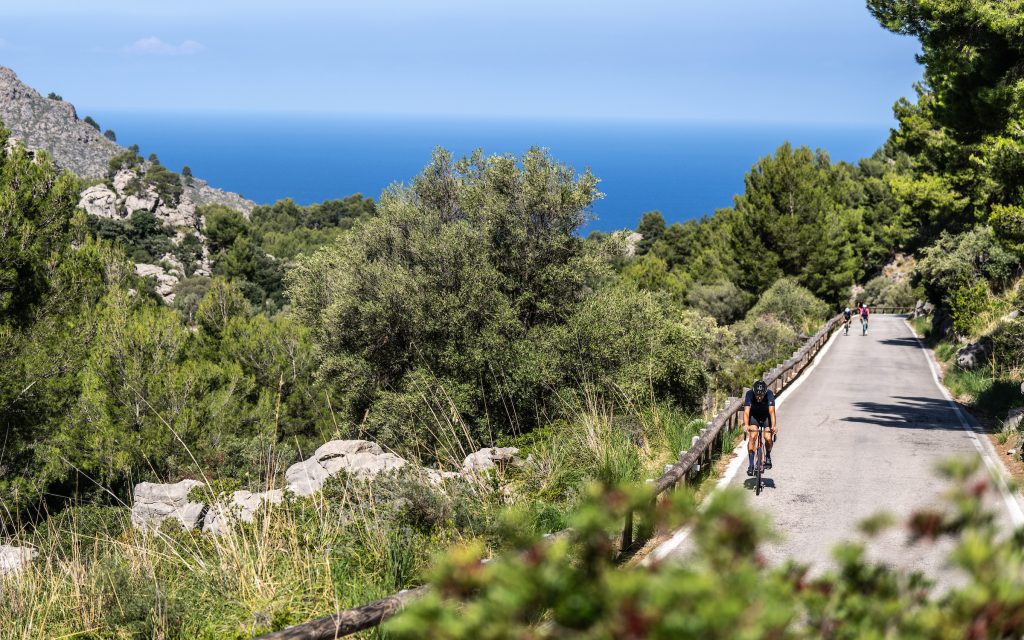
The climb to Sa Calobra is one of the toughest ascents in Mallorca and requires a solid base fitness. The climb itself is approximately 9.5 kilometres long with an average gradient of around 7%, but the ride from Playa de Palma adds around 80 to 90 kilometres and considerable elevation gain before you even begin the actual climb.
What makes Sa Calobra so special is the combination of a technical course with hairpin bends, narrow road sections, and a constantly changing rhythm. The road winds spectacularly down to the coast, which means that after the descent you also have to climb back up. Many cyclists combine Sa Calobra with Puig Major on the same day, which quickly brings the total ride from Playa de Palma to 160 to 180 kilometres with more than 3,000 metres of elevation gain. This is a serious day in the saddle that should not be underestimated.
What is the best route to Puig Major?
The most commonly used route to Puig Major from Playa de Palma runs via the coastal road to Palma, then through Sóller and onwards up via the MA-10 heading north. Puig Major is the highest mountain in Mallorca at 1,445 metres, and the climb towards it is long, steady, and impressively beautiful.
From Sóller, you ride past the Embalse de Cúber, a reservoir surrounded by rugged mountain peaks. The climb to Puig Major is technically less explosive than Sa Calobra, but demands good perseverance due to its length and constant gradient. The road is wide enough for cyclists and traffic is limited outside the peak season. Those who combine Sa Calobra and Puig Major ride one of the most iconic routes in European cycling.
What cycling level do you need for the mountain rides in Mallorca?
For the mountain rides in Mallorca, you need at least an intermediate to advanced cycling level. Rides such as Sa Calobra and Puig Major are intended for cyclists who train regularly, are comfortable in the saddle over longer distances, and have experience with climbs. Beginners can perfectly enjoy the flatter routes and shorter cols such as the Coll de Sóller.
A handy breakdown by level:
- Beginners and recreational cyclists: flat coastal routes, Coll de Sóller as a first climb
- Intermediate cyclists: Coll de sa Batalla, Cap de Formentor, longer day trips
- Competitive cyclists: Sa Calobra, Puig Major, combination rides of 150 kilometres or more
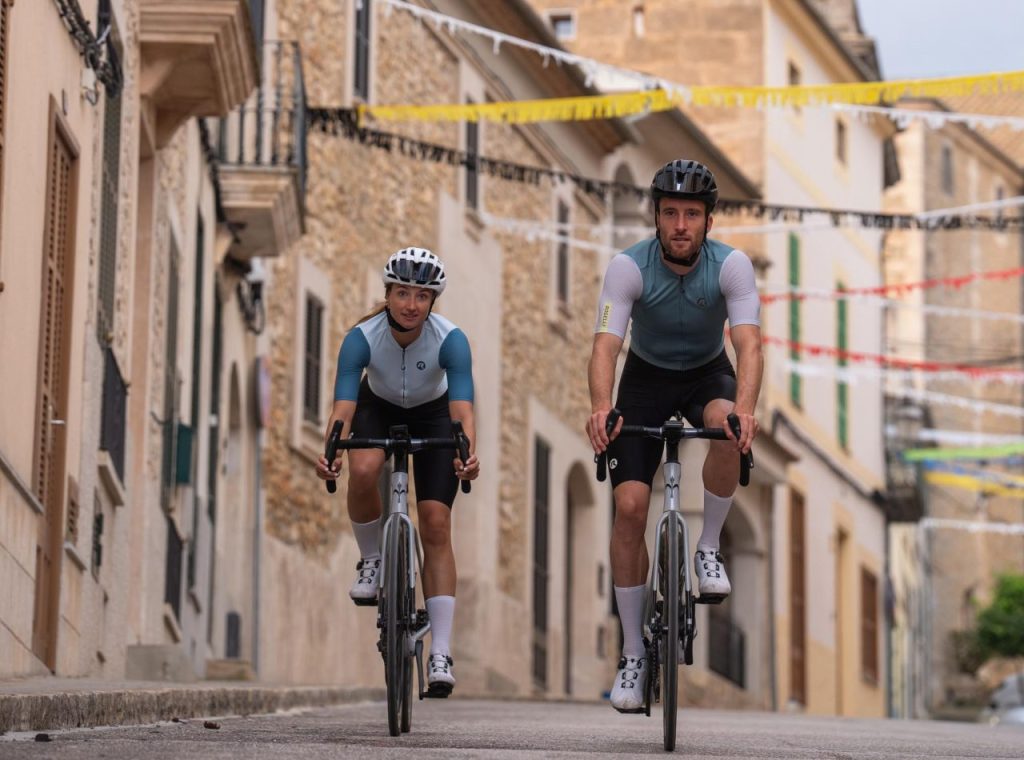
Mallorca is particularly popular precisely because the island has something to offer for every level. The roads are well maintained, traffic is manageable outside the busiest months, and the climate makes long rides enjoyable. Those who are unsure about their level can always opt for a guided group ride to get better acquainted with the routes.
When is the best season to ride climbing routes in Mallorca?
The best season for climbing routes in Mallorca is spring, from March through May, and autumn, from September through November. During these periods, temperatures are pleasant, the roads are less busy, and the scenery is at its most beautiful. The professional cycling world discovered this long ago: many ProTeams train in early spring in Mallorca.
During the summer months, particularly July and August, temperatures on the mountain roads can rise above 35 degrees Celsius. This makes long climbing rides tough and potentially dangerous if you do not stay well hydrated. Winter, from December to February, is the quietest period. Rides are certainly possible then, but the higher cols can occasionally be closed due to rain or even snow on the summits.
For cyclists planning a training camp in 2026, March, April, and October are the absolute top months. You then combine optimal riding conditions with a vibrant atmosphere in the cycling community on the island.
Which road bike is suitable for the climbs in Mallorca?
For the climbs in Mallorca, a lightweight carbon road bike is the best choice. A low weight makes a noticeable difference on the longer ascents, and a compact gearing setup with a small gear ratio helps you conquer the steeper sections of Sa Calobra and Puig Major without burning out your legs.
Specific features to look for in a climbing bike for Mallorca:
- Weight: a bike under 7.5 kilograms is ideal for mountain rides
- Gearing: a compact or semi-compact groupset with a 32- or 34-tooth cassette
- Stiffness: a stiff carbon frame ensures efficient power transfer when climbing
- Brakes: hydraulic disc brakes provide more control on the technical descents
Those who do not bring their own bike can rent a carbon road bike in Mallorca on location. High-end models such as the Wilier Filante SLR and the Wilier Cento10 are specifically suited for competitive cyclists who want to get the best performance out of the mountain rides on the island.
How we help you with climbing routes from Playa de Palma
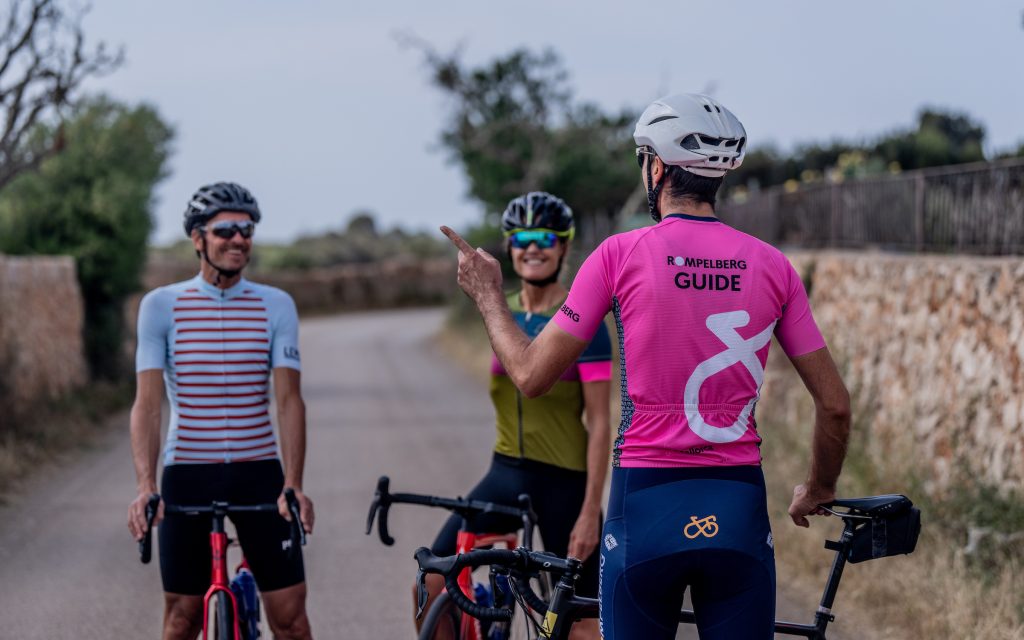
At Rompelberg Cycling Holidays, we have been at home on the roads of Mallorca for over 30 years. We know exactly which routes suit your level, which cols you can combine in a day, and how to put together a cycling holiday that truly matches your ambitions. Whether you want to ride Sa Calobra for the first time or are planning a full training camp for 2026, we arrange everything:
- High-quality carbon rental bikes, including the Wilier Filante SLR and Cento10
- Guided group rides in the Breakaway group for competitive cyclists
- Complete packages including flight, hotel, and bike rental
- Personal advice on routes, difficulty level, and timing
- Cycling-friendly hotels in Playa de Palma with secure storage and a workshop
Would you like to know which climbing routes suit you best or put together a tailor-made cycling holiday? Contact us and we will be happy to help you.