The cycling climbs on Mallorca most suitable for a road bike are Sa Calobra, Puig Major, Cap de Formentor, and the Coll de Sóller. These ascents combine well-paved roads with spectacular elevation changes, making them ideal for cyclists who want to push their limits. In this article, we answer the most frequently asked questions about mountain rides on Mallorca, from difficulty level to the best season and the right bike.
Which climbs on Mallorca are most suitable for road bikes?
The most suitable cycling climbs on Mallorca for a road bike are Sa Calobra, Puig Major, Cap de Formentor, the Coll de Sóller, and the Puig de Randa. All of these climbs feature well-maintained asphalt, sufficient width for road bikes, and a challenging elevation profile that tests cyclists of every level.
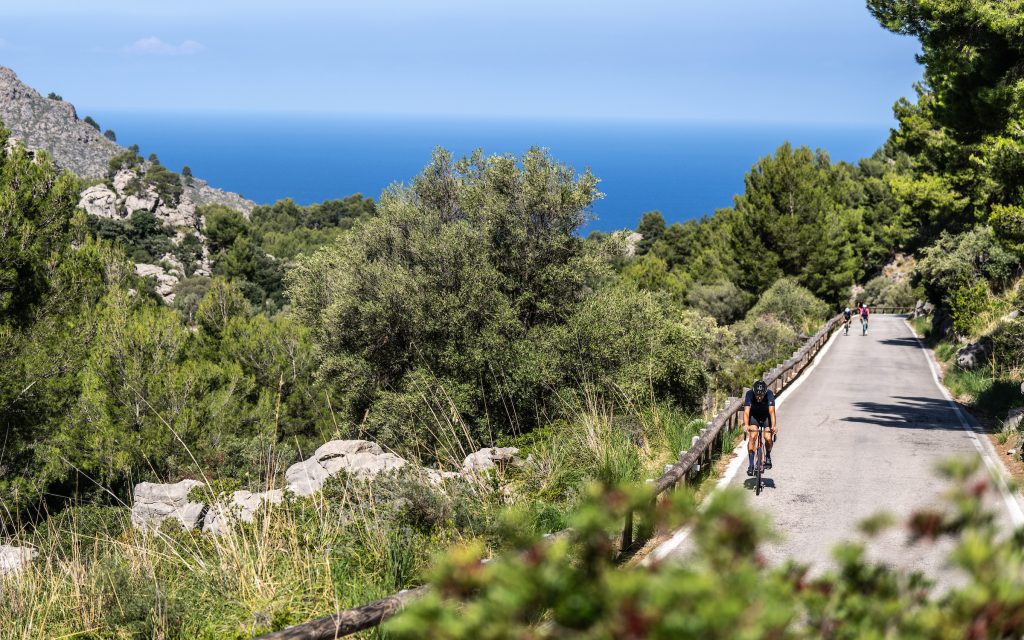
Mallorca has developed over the past decades into one of Europe’s most popular cycling destinations, and not without reason. The Tramuntana, the mountainous northwest of the island, offers a succession of classic climbing routes comparable to the great mountain passes in the Alps or the Pyrenees, but with a more pleasant climate and quieter traffic.
- Sa Calobra: The absolute queen of Mallorcan climbs, with 9.4 kilometers of hairpin bends and an average gradient of 7.1%.
- Puig Major: The highest mountain on Mallorca (1,445 meters), often combined with Sa Calobra for an epic day in the saddle.
- Cap de Formentor: A technically challenging coastal route with breathtaking views and a constant wind as an extra adversary.
- Coll de Sóller: A classic climb connecting Palma with the Sóller valley, popular with both recreational and competitive cyclists.
- Puig de Randa: A shorter but steep climb in the south of the island, ideal as a warm-up or for interval training.
How demanding are the cycling climbs on Mallorca?
The cycling climbs on Mallorca range from moderately challenging to tough. Sa Calobra and Puig Major are among the hardest climbs on the island, with gradients of up to 10% on certain sections. Cap de Formentor and the Coll de Sóller are more accessible, but still require a solid base fitness from cyclists.
The difficulty level depends not only on the gradient, but also on the length of the climb, the wind, and the temperature. On Mallorca, the wind along the coastal routes plays a major role, especially at Cap de Formentor. Those who combine the climbs in a single ride, such as the classic route via Puig Major to Sa Calobra and back, face a total elevation gain comparable to a stage in a professional cycling race.
For cyclists with good fitness, most routes are very manageable. For beginners or recreational cyclists, it is wise to start with the Coll de Sóller or the Puig de Randa before tackling the harder cols.
What makes Sa Calobra so legendary for cyclists?
Sa Calobra is legendary because the route is technically exceptional: 9.4 kilometers long, an average gradient of 7.1%, with iconic hairpin bends including the famous 270-degree loop where the road folds back over itself. The combination of technical challenge, spectacular scenery, and cycling history makes this climb unique in Europe.
The ascent of Sa Calobra is a dream goal for many cyclists. The road winds upward through the rugged rocks of the Tramuntana, with views you won’t find anywhere else. It is a route that regularly features in professional training camps and is regarded by cycling legends as one of the most beautiful climbs in the world.
What makes the climb extra special is that you ride the same road up and down. The descent to the coastline is an experience in itself, where you encounter the technical bends from a different perspective. Those who combine Sa Calobra with the adjoining ascent of Puig Major ride one of the most complete mountain days Mallorca has to offer. For an overview of all climbs on Mallorca, see which routes best match your level.
When is the best season to ride cycling climbs on Mallorca?
The best season for cycling climbs on Mallorca is spring (March through May) and autumn (September through November). During these periods, temperatures are pleasant for intensive cycling, the island is less crowded, and the roads are in optimal condition. Most professional cycling teams therefore choose these months for their training camps on the island.
In the summer months (June to August), temperatures rise above 35 degrees Celsius, making tough mountain rides considerably harder and even dangerous without adequate preparation. Winter (December to February) is milder than in Northern Europe, but rainfall and lower temperatures in the mountains can make the climbing routes less appealing.
For cyclists planning a training camp or cycling holiday in 2026, April and October are the absolute peak months. The weather is stable, the roads are quiet, and conditions are ideal for training hard on the climbs of Mallorca.
What type of road bike is most suitable for the Mallorcan mountains?
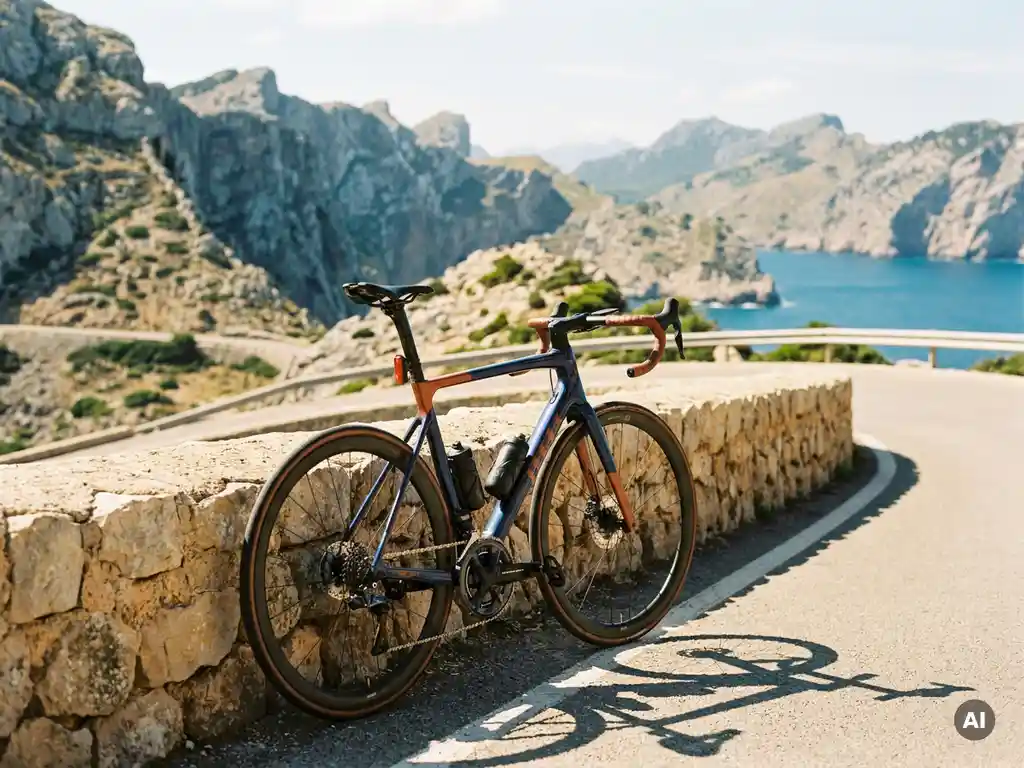
For the cycling climbs on Mallorca, a lightweight carbon road bike is the most suitable choice. Low weight is crucial on long climbs such as Puig Major and Sa Calobra, where every kilogram counts. In addition, a compact chainset or a cassette with enough sprockets for the steepest sections is an absolute recommendation.
The roads on Mallorca are generally well paved, which means you don’t need special tires or extra suspension. An aerodynamic frame helps on the faster sections and descents, but on the climbing routes, the weight of the bike matters more than aerodynamics.
Specific points to consider when choosing your road bike for Mallorca:
- Weight: Aim for a bike weight under 7.5 kilograms for optimal climbing performance.
- Gear system: Electronic shifting offers advantages when fatigued on long climbs.
- Gear ratio: A 34-tooth small chainring at the front and a 32-tooth cassette at the rear provides sufficient ease on the steepest sections.
- Brakes: Disc brakes offer extra control on the technical descents, such as the descent of Sa Calobra.
- Tires: Choose tires of 25 to 28 millimeters for a good balance between comfort and rolling resistance.
How we help you with cycling climbs on Mallorca
At Rompelberg Cycling Holidays, we combine more than 30 years of experience on Mallorca with a complete offering for cyclists who want to explore the island’s best climbing routes. Whether you want to climb Sa Calobra for the first time or include Puig Major in your training program, we make sure everything is ready for you.
- High-quality carbon road bikes, including top models from Wilier, tailored to the Mallorcan mountains
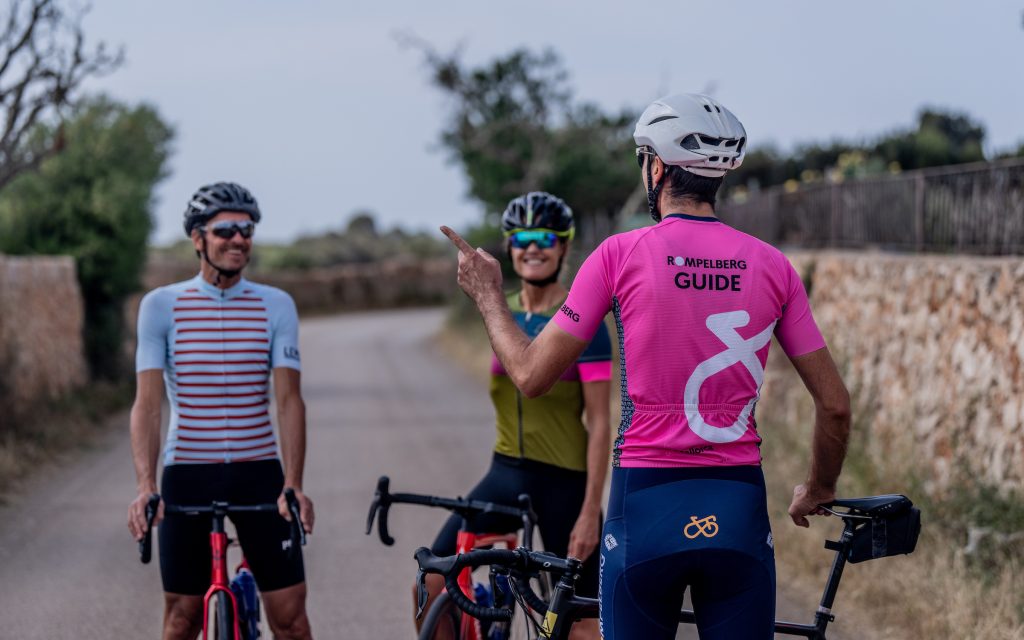
- Guided group rides along the legendary climbing routes, including the Breakaway group for competitive riders
- Complete cycling holiday packages with flight, hotel, and bike, or flexible individual services
- Local knowledge about the best routes, times, and conditions per season
- Experienced mechanics and a fully equipped workshop for maintenance and adjustments
Want to know which package best suits your level and ambitions? Contact us and we’ll help you put together a tailor-made cycling holiday.