The most popular cycling climbs on Mallorca are Sa Calobra, Puig Major, and Cap de Formentor. These three ascents attract thousands of cyclists from across Europe every season due to their combination of spectacular scenery, technical challenge, and iconic status in the cycling world. In addition to these highlights, the island offers dozens of other cols ranging from accessible to extremely demanding.
Whether you are a seasoned climber looking to conquer Sa Calobra or a recreational cyclist searching for a scenic route with a manageable gradient, Mallorca has something to offer for every level. In this article, we answer the most frequently asked questions about the cycling climbs on Mallorca.
Which col on Mallorca is the hardest to climb?
The hardest col on Mallorca is Puig Major, the island’s highest mountain with a summit at 1,445 metres. The ascent via the northern side from Sóller covers more than 25 kilometres with an average gradient of around 5 percent, but with sections reaching up to 10 percent. The combination of length, elevation gain, and the thin air at the top makes this the most demanding climb on the island.
Yet many cyclists name Sa Calobra as the mentally toughest challenge. That climb is shorter but more relentless: 9.4 kilometres with an average gradient of 7 percent and peaks of up to 12 percent. The difference lies in the nature of the effort. Puig Major demands endurance over a long distance, while Sa Calobra tests your explosive power and mental resilience.
For those who truly want to find their limits, combining both ascents in a single day is the ultimate test on Mallorca.
How does Sa Calobra compare to other European cols?
Sa Calobra ranks among the hardest cycling climbs in Europe. At 9.4 kilometres, an elevation gain of approximately 680 metres, and an average gradient of 7 percent, it is comparable to famous cols such as the Mortirolo in Italy and the Col de la Loze in the French Alps. What sets Sa Calobra apart is the combination of consistent steepness with no real moments of respite.
For comparison: Mont Ventoux has a longer approach but a similar average gradient. Alpe d’Huez is shorter but less steep. Sa Calobra has no false flats or brief descents to let you catch your breath. Every metre upward is genuinely upward, which makes the climb psychologically harder than the numbers on paper suggest.
Moreover, you almost always ride Sa Calobra after a long approach, meaning you begin the ascent with already fatigued legs. This makes it a more honest measure of actual climbing ability for many cyclists than an isolated test climb.
What is the best time of year to ride the Mallorcan cols?
The best period for the cycling climbs on Mallorca is from March through May and from September through November. During these months, temperatures are pleasant, traffic is limited, and the roads are in optimal condition. It is no coincidence that many professional cycling teams choose the early spring on Mallorca as the starting point for their pre-season preparation.
During the summer months, from June to August, temperatures on the climbs can rise above 35 degrees Celsius. On cols like Sa Calobra, which runs through a narrow gorge with little wind, the heat can be extreme. Climbing in the early morning is then the only sensible option, but even then it is tough.
The winter months of December through February are milder on Mallorca than in northern Europe, but on Puig Major it can be cold and misty. Snow at the summit is rare but not impossible. For those with flexibility, the early spring of 2026 offers the ideal combination of good weather, quiet roads, and fresh legs after winter training.
Which route combines the most iconic ascents in a single day?
The classic king’s stage on Mallorca combines Sa Calobra and Puig Major in one day and is considered by many cyclists to be the ultimate day ride on the island. Departing from Port de Pollença or Alcúdia, you head towards the Tramuntana mountain range, climb Puig Major, descend to the Cúber reservoir, and then ride down to the coast to climb Sa Calobra.
The total route covers between 120 and 160 kilometres depending on the starting point, with more than 3,000 metres of elevation gain. This is not a route for beginners. Those wishing to ride this combination need a solid climbing base and should allow for a riding time of five to seven hours excluding breaks.
A popular extension is adding the Coll de Sóller at the start of the day, combining three iconic climbs. Some cyclists also add Cap de Formentor as a finale, although this considerably increases the total distance and fatigue.
Can you always ride up to Cap de Formentor by bike?
No, Cap de Formentor is not always freely accessible to cyclists. The road to the lighthouse at the tip of the peninsula is closed to motorised traffic during the high season, from May to October, but is also subject to specific rules for cyclists. During peak periods, a time window applies during which cyclists are permitted to use the road, typically in the early morning.
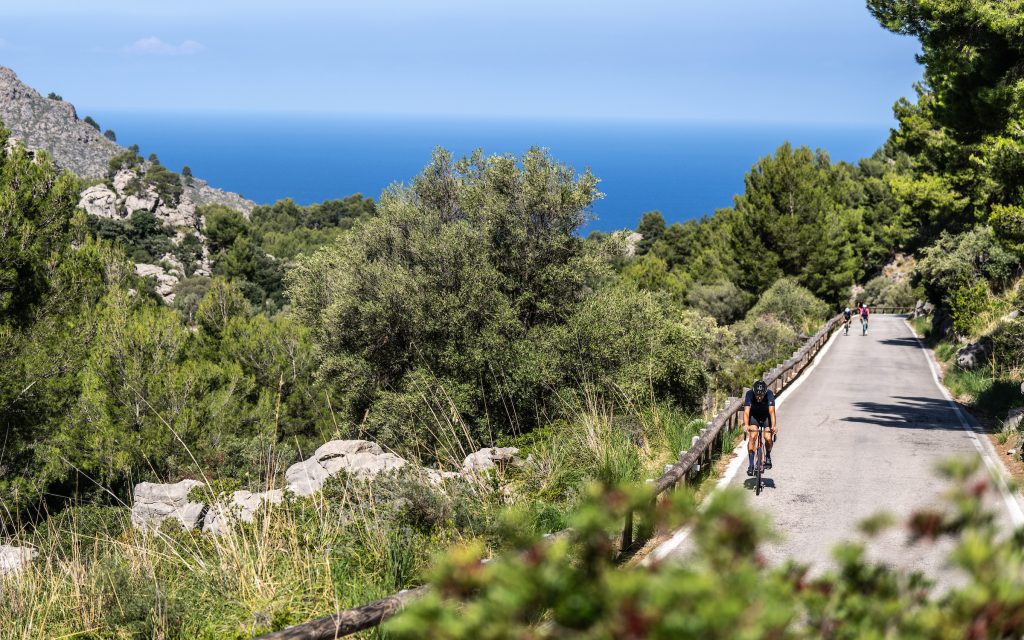
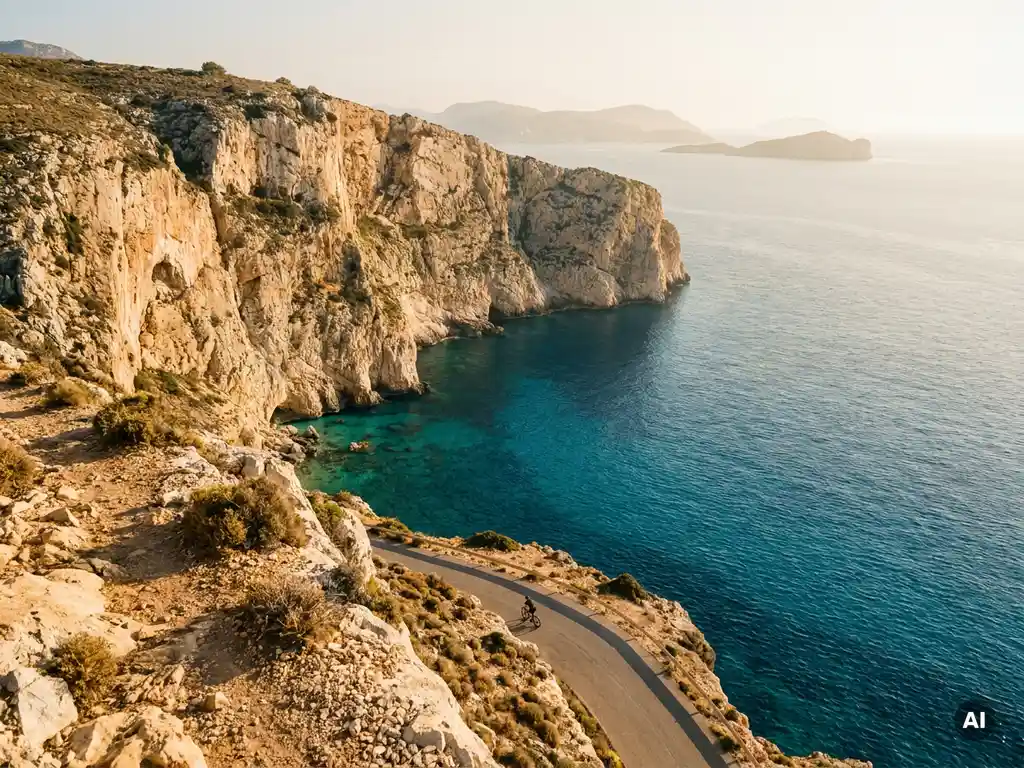
Outside the high season, from November to April, the road is almost always freely accessible to cyclists. This makes the early spring particularly attractive for those who want to ride Cap de Formentor without restrictions. The climb itself is not technically extreme, but the narrow road with sharp bends and the spectacular views over the Mediterranean make it an unforgettable experience.
Always check the current regulations before setting out, as the Balearic authorities regularly update the access rules for Cap de Formentor. In 2026, similar seasonal restrictions to those of previous years are expected to apply.
What cycling level do you need for the most popular climbing routes?
For the most popular cycling climbs on Mallorca, you need at least an intermediate cycling level. Sa Calobra and Puig Major are not suitable for beginners without climbing experience. Those who cycle regularly, have some climbing kilometres in their legs, and know how to pace their effort can manage Sa Calobra. Cap de Formentor is more accessible and achievable for recreational cyclists with a reasonable level of fitness.
A useful frame of reference:
- Beginners: Coll de Sóller (9 km, average 5%) and the coastal routes around Alcúdia are good starting points without extreme gradients.
- Intermediate: Cap de Formentor and the Coll de Sa Batalla are challenging but achievable with a good base fitness.
- Experienced climbers: Sa Calobra, Puig Major, and combination routes with more than 2,500 metres of elevation gain are the domain of cyclists who train regularly on climbs.
- Competitive riders: The full king’s stage with Sa Calobra and Puig Major in a single day requires a serious training background and thorough knowledge of your equipment.
The right bike also plays a major role. On the steep sections of Sa Calobra, a lightweight carbon road bike with a compact chainring is not a luxury but a necessity. A bike that is too heavy or a cassette that is too small makes the climb unnecessarily hard.
How we help you ride the finest cycling climbs on Mallorca
At Rompelberg Cycling Holidays, we guide cyclists of every level in discovering the finest ascents on Mallorca. Whether you want to tackle Sa Calobra for the first time or plan a full training camp around the island’s hardest cols, we make sure everything is taken care of.
- High-quality carbon rental bikes, including lightweight climbing models perfect for the steepest sections
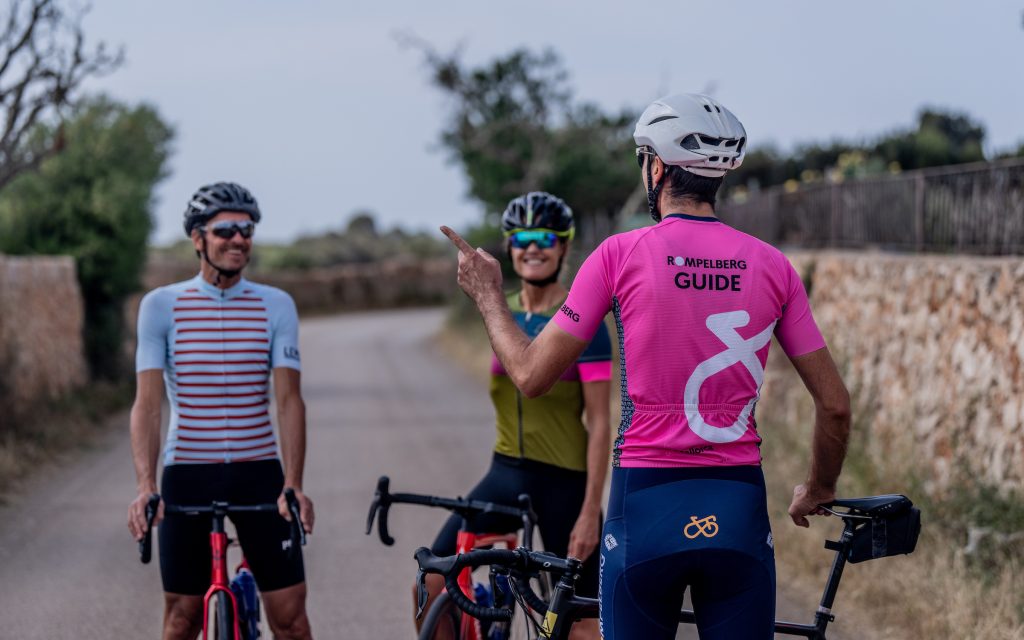
- Guided group rides to Sa Calobra, Puig Major, and Cap de Formentor with experienced guides
- Complete holiday packages including flights, hotel, and a tailored cycling programme
- Local route knowledge and daily support from our locations in Playa de Palma and Playa de Muro
- Workshop with experienced mechanics for technical support on the road
View our full range of climbs on Mallorca and discover which routes best match your level and ambitions. Would you like direct advice or a tailored package? Contact us and we will be happy to help.