On a full cycling day in Mallorca, trained cyclists can cover between 2,500 and 4,500 meters of elevation gain, depending on the chosen route and their own fitness level. Mallorca is one of the most varied cycling islands in Europe, with short but punishing climbs that gain altitude quickly. In this article, we answer the most frequently asked questions about climbing elevation meters in Mallorca, from route selection to recovery.
What determines how many elevation meters you can ride in one day?
How many elevation meters you can cover in one cycling day in Mallorca is determined by three factors: your cycling level, your route choice, and the climbing conditions. A trained cyclist can comfortably achieve 2,500 to 3,500 meters of elevation gain per day. Those who train specifically and combine the right routes can push toward 4,000 to 4,500 meters.
Beyond fitness, the nature of the climbs plays a major role. Mallorca has relatively short but steep cols, which means you accumulate elevation quickly but also recover quickly on the descents. This makes the island ideal for multiple climbs in a single day. Temperature and wind also factor in: in heat and headwinds, every climb costs considerably more energy than on a cool morning with little wind. The best conditions are found early in the morning, especially during the summer months.
Finally, the quality of your equipment is not insignificant. On a lightweight carbon fiber road bike, you climb measurably more efficiently than on a heavier aluminum bike, which becomes noticeable at the end of a long day in your total elevation gain.
How many elevation meters do the classic Mallorca routes have?
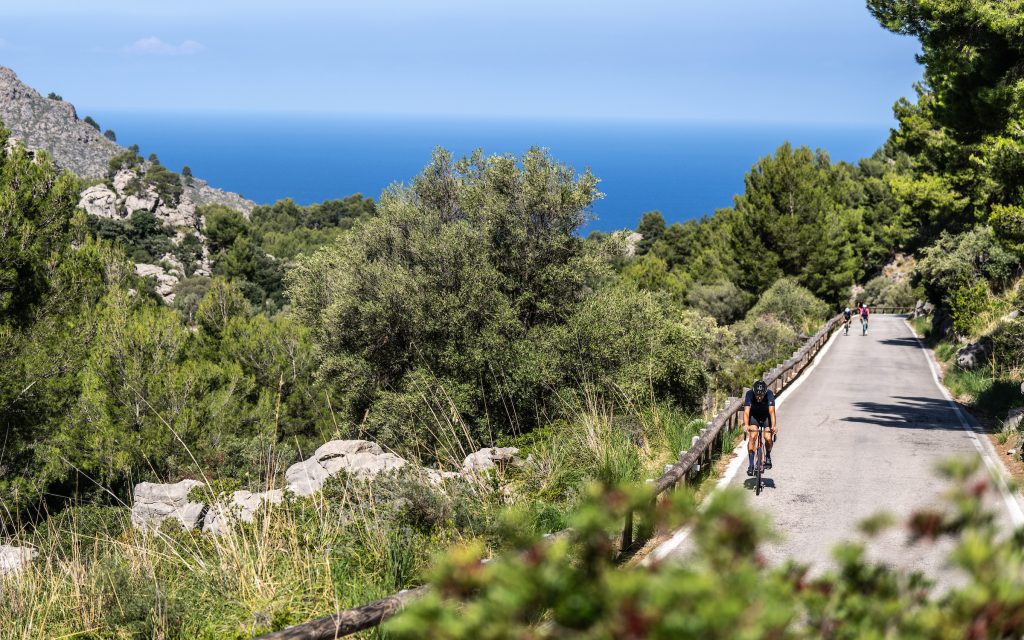
The classic climbing routes in Mallorca range from around 500 to more than 1,200 meters of elevation gain per ascent. Sa Calobra and Puig Major are the hardest and most iconic, while Cap de Formentor and the Coll de Sóller are popular alternatives for a varied cycling day.
Here is an overview of the most well-known climbs in Mallorca and their elevation meters:
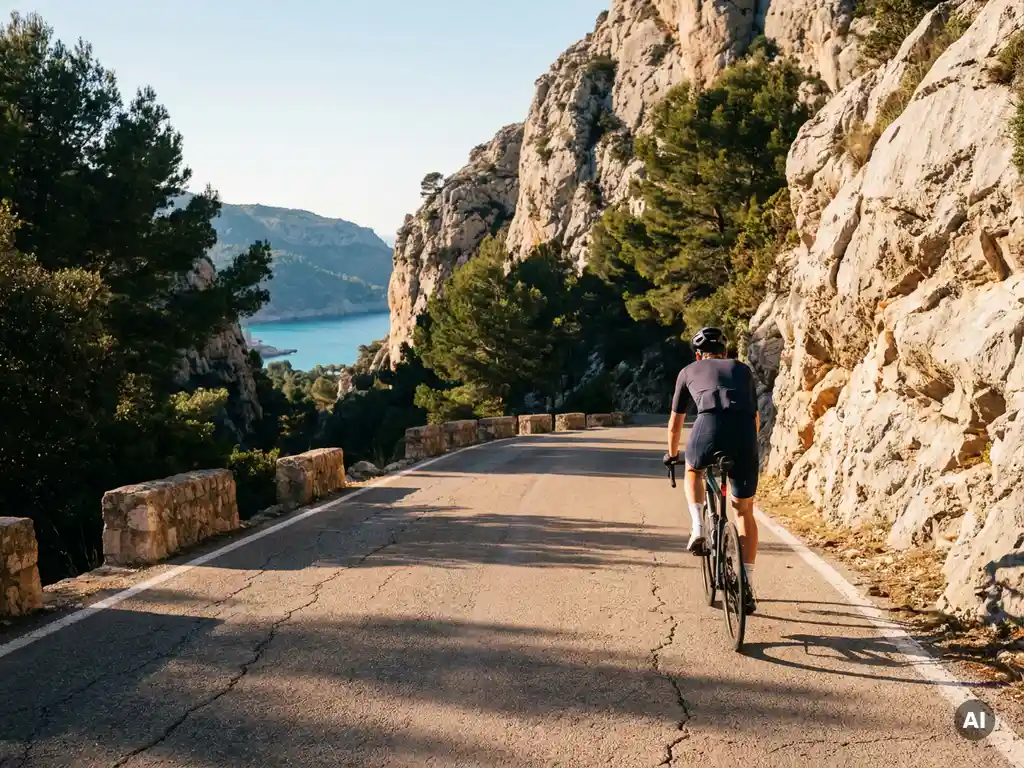
- Sa Calobra: approximately 680 meters of elevation gain over 9.4 kilometers, with an average gradient of 7.1%. One of the most spectacular climbs in Europe.
- Puig Major: the highest peak in Mallorca at 1,436 meters. From Sóller, you ride more than 1,000 meters of elevation gain on a long and consistently rising route.
- Cap de Formentor: approximately 400 meters of elevation gain, but with breathtaking views of the coastline and technical bends that make the climb extra challenging.
- Coll de Sóller: approximately 500 meters of elevation gain, a classic approach route that is often combined with Sa Calobra or Puig Major.
- Puig de Randa: a shorter climb of approximately 300 meters of elevation gain, ideal as an extra addition on a day with multiple cols.
By combining routes smartly, you can ride several of these climbs in a single day and quickly build up your total.
What is a realistic daily goal for a trained cyclist in Mallorca?
For a trained cyclist, 2,500 to 3,500 meters of elevation gain per day is a realistic and achievable goal in Mallorca. This is enough to deliver serious training stimulus without completely emptying yourself, so you can perform again the following day.
Cyclists who train specifically for elevation gain and are riding on the island for multiple days sometimes aim for 4,000 meters or more per day. However, this is only advisable if you build in sufficient recovery time and your nutrition and hydration are in order. A day with 4,000 meters of elevation gain in Mallorca requires an early start, a good rhythm on the climbs, and enough food along the way.
Recreational cyclists who are less trained would do well to start with 1,000 to 1,500 meters of elevation gain per day and build that up gradually. Mallorca offers the right routes for every level, from flat coastal paths to the island’s toughest mountain passes.
Which routes do you combine for a maximum elevation-hunting day?
For a maximum elevation-hunting day in Mallorca, you combine Sa Calobra with Puig Major and the Coll de Sóller. This combination delivers more than 2,500 meters of elevation gain in a single ride and is considered one of the hardest day routes the island has to offer.
A popular approach for cyclists aiming for 4,000 meters of elevation gain is the following build-up:
- Start from Playa de Muro or Port de Pollença heading north for the ascent of Cap de Formentor (approximately 400 meters of elevation gain).
- Ride on to the Coll de Sóller for an extra 500 meters of elevation gain before you truly enter the Tramuntana.
- Climb Puig Major from Sóller, good for more than 1,000 meters of elevation gain on a long and challenging route.
- Then descend to Sa Calobra and climb back up, adding another 680 meters of elevation gain to your day’s total.
This combination requires an early start, good legs, and sufficient nutrition along the way. But those who complete it will have one of Mallorca’s most legendary cycling days in their legs.
How do you recover quickly enough to climb again the next day?
Fast recovery after a tough climbing day in Mallorca starts within 30 minutes of finishing the ride: eat carbohydrates and protein, drink plenty of water, and avoid sitting still for extended periods. Those who do this consistently can ride heavy elevation day after day without falling into a negative spiral.
In addition to immediate nutrition, these are the most important recovery factors:
- Sleep: at least 8 hours per night is not a luxury but a necessity for cyclists in a training camp. Your muscles recover and grow during sleep.
- Active recovery: a short, easy recovery ride of 30 to 45 minutes the following morning promotes blood flow and speeds up the recovery process.
- Cold treatment: a cold shower or a visit to the swimming pool after the ride helps reduce muscle soreness and keeps the legs feeling fresh.
- Stretching and foam rolling: spend 10 to 15 minutes daily on mobility and muscle recovery, particularly for the quadriceps, hamstrings, and calves.
- Hydration: in Mallorca you sweat more than at home due to the heat. Drink water throughout the day and replenish electrolytes, even after the ride.
Those who take their recovery seriously will find that they climb stronger day after day rather than gradually declining.
How we help you get the most out of your cycling days in Mallorca
A successful elevation-hunting trip in Mallorca stands or falls on the right preparation, the right equipment, and the right support. We offer everything you need for a complete cycling holiday on the island:
- High-end carbon fiber road bikes such as the Wilier Filante SLR and Cento10, specifically suited for the tough climbs of the Tramuntana.
- Guided group rides through our Breakaway group, aimed at competitive cyclists who want to push their limits on routes like Sa Calobra and Puig Major.
- Complete cycling holiday packages including flight, hotel, and bike, so you can fully focus on the kilometers and the elevation meters.
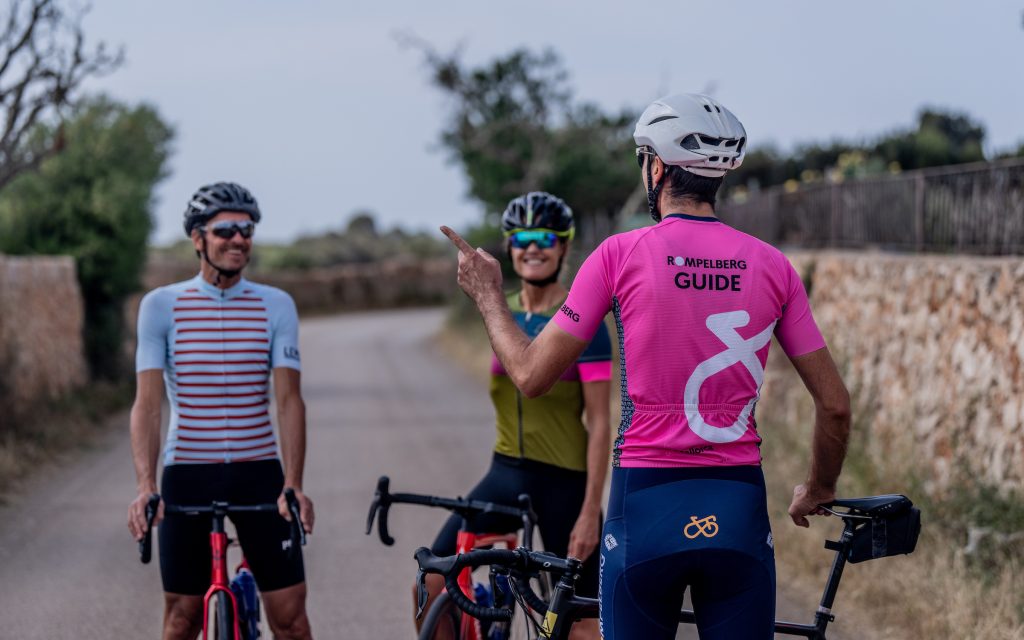
- Local route knowledge from experienced guides who know exactly how to ride the best combinations for a maximum training day.
- Cycling-friendly hotels with secure bike storage, a workshop, and mechanics on site.
Want to know which package best suits your training goals? Contact us and we will help you put together a tailor-made cycling holiday.