On Mallorca, you can combine several famous climbs into one route, and that is precisely what makes the island so appealing to serious cyclists. The Serra de Tramuntana offers a succession of iconic cols that you can ride in various combinations, depending on your level, available time, and ambition. In this article, we answer the most frequently asked questions about multi-climb routes, so you can plan your ideal training day.
Which route combines Sa Calobra and Puig Major in one day?
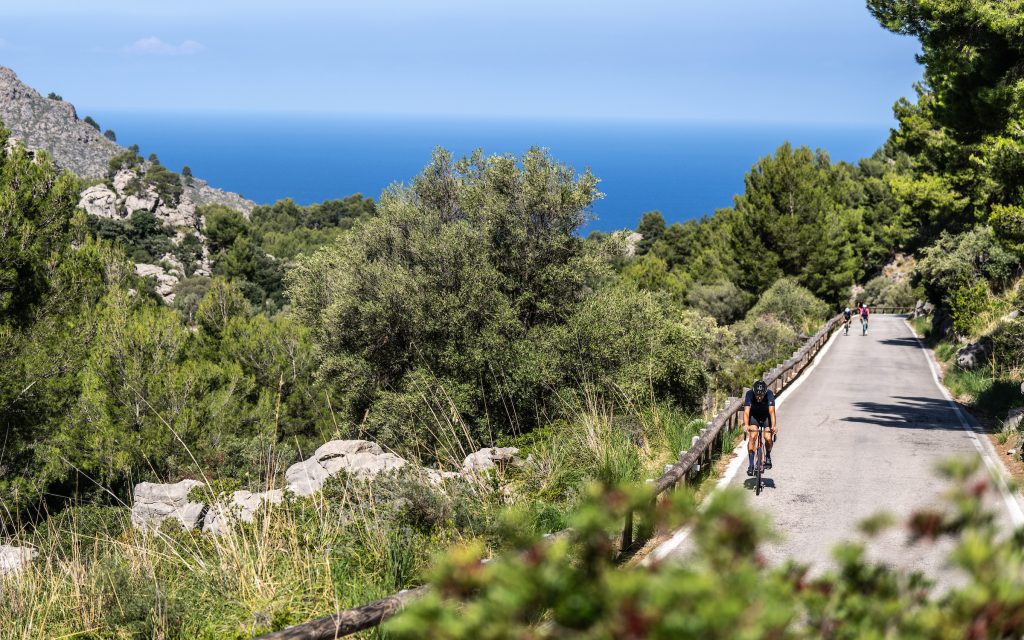
The classic combination of Sa Calobra and Puig Major is very doable in a single day and is considered by many cyclists to be the ultimate Mallorca challenge. Starting from Port de Sóller or Sóller, you ride via the Coll de Sóller up to Puig Major, the highest pass on the island at 1,055 metres, and then descend towards the turn-off for Sa Calobra.
Sa Calobra itself is a climb of approximately 9.5 kilometres with an average gradient of 7 percent, but it is the combination with Puig Major that truly makes the day tough. After Sa Calobra, you climb back up via the same road and return via Puig Major to your starting point. The total distance varies between 80 and 120 kilometres depending on your starting point, with an elevation gain that quickly approaches 2,500 to 3,000 metres. This is a route for cyclists with a solid base fitness and experience with multiple long cols back to back.
How tough is the combination of Cap de Formentor and Puig Major?
The combination of Cap de Formentor and Puig Major is one of the longest and most demanding routes on Mallorca, with a total distance of typically 130 to 160 kilometres and a cumulative elevation gain that can reach around 3,500 metres. This combination is suited to well-trained cyclists who are accustomed to long days in the saddle.
Cap de Formentor is technically not a tough col in terms of gradient, but the road is narrow, winding, and offers little shade. The distance from Pollença to the lighthouse is approximately 20 kilometres one way. When you combine this with Puig Major, you are essentially doing two major excursions in one day. Many cyclists choose to ride Puig Major first from Port de Pollença or Alcúdia, and then continue on to Cap de Formentor. The logistics of this route call for an early start, sufficient food and water, and a clear understanding of your own capacity.
Which loop connects the most iconic cols in the Tramuntana?
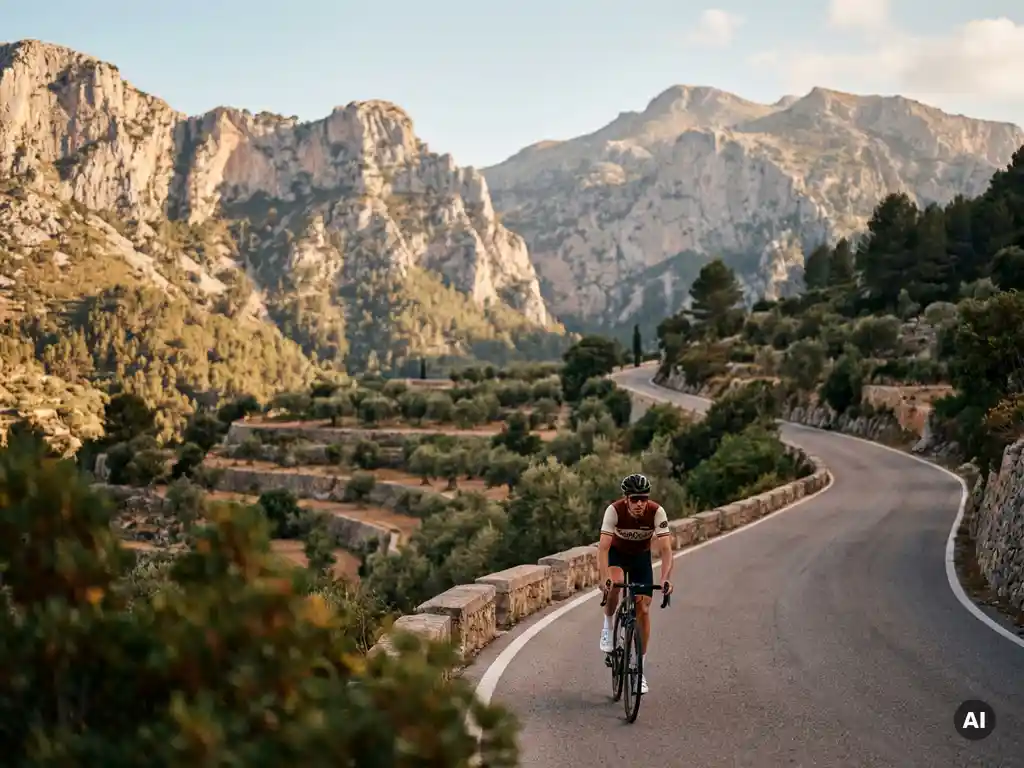
The great Tramuntana loop, sometimes referred to as the “Grand Tour” of Mallorca, connects the most iconic cols on the island in one route. This loop passes the Coll de Sóller, Puig Major, the descent to Sa Calobra, the Coll de Puig Major, and returns via the north coast towards Pollença and the Coll de sa Batalla. The total distance quickly adds up to 150 kilometres or more.
Those who want to explore the full Tramuntana can also add the Coll de Femenia and the Coll de Sóller to the loop. Popular starting points are Palma, Port de Sóller, and Alcúdia, depending on where you are staying. The route requires thorough preparation: make sure you have enough energy gels or bars, check the weather conditions in advance, and preferably ride in a group so you can support each other on the longer climbs.
Are there routes that combine Sa Calobra with the east coast?
Routes that combine Sa Calobra with the east coast of Mallorca do exist, but due to the geographical distance they are challenging and require either multiple days or a very long stage. Sa Calobra is located in the northwest of the island, while the east coast, with places such as Artà, Cala Ratjada, and the Coll d’Artà, lies on the opposite side.
A realistic approach is to ride Sa Calobra on day one and explore the east coast on day two. The east coast offers different challenges: fewer extreme cols, but beautiful, rolling roads through almond and olive groves with stunning views over the Mediterranean Sea. Anyone who still wants to combine everything in one big stage should expect a distance of more than 200 kilometres, something that is only feasible for the most experienced and well-trained cyclists.
What is the best season to combine multiple climbs?
The best season for multi-climb routes on Mallorca is from March through May and from September through November. During these periods, temperatures are pleasant, the roads are less busy, and weather conditions are stable enough to plan long days in the mountains.
In the summer months, particularly July and August, temperatures in the Tramuntana can rise above 35 degrees Celsius. Long climbing routes then become dangerous due to dehydration and overheating. Winter, from December to February, brings the risk of rain, wind, and even snow on the higher cols such as Puig Major. For cyclists planning a training camp in 2026, April and October are the most popular months, offering the best balance between climate, daylight hours, and traffic on the roads.
Which bike is suitable for routes with multiple tough cols?
For routes with multiple tough cols on Mallorca, a lightweight carbon road bike with a compact gear combination is the best choice. A bike weighing under 8 kilograms with sufficiently small gears at the rear makes the long climbs considerably more manageable, especially when you are riding multiple ascents back to back.
Specific features to look out for are a compact or semi-compact chainring at the front and a wide-range cassette at the rear, so you can maintain a rhythmic pedalling motion even on the steepest sections of Sa Calobra or Puig Major. Electronic shifting is an advantage on long rides because it offers precision without extra effort. Famous climbs on Mallorca demand a bike that is light enough for the ascents and stable enough for the fast descents.
How we help you plan routes with multiple climbs
At Rompelberg Cycling Holidays, we understand that a route with multiple tough cols on Mallorca requires the right preparation. We offer everything you need to get the most out of your cycling adventure:
- High-quality carbon rental bikes, including models such as the Wilier Filante SLR and Cento10, specifically suited for tough mountain rides
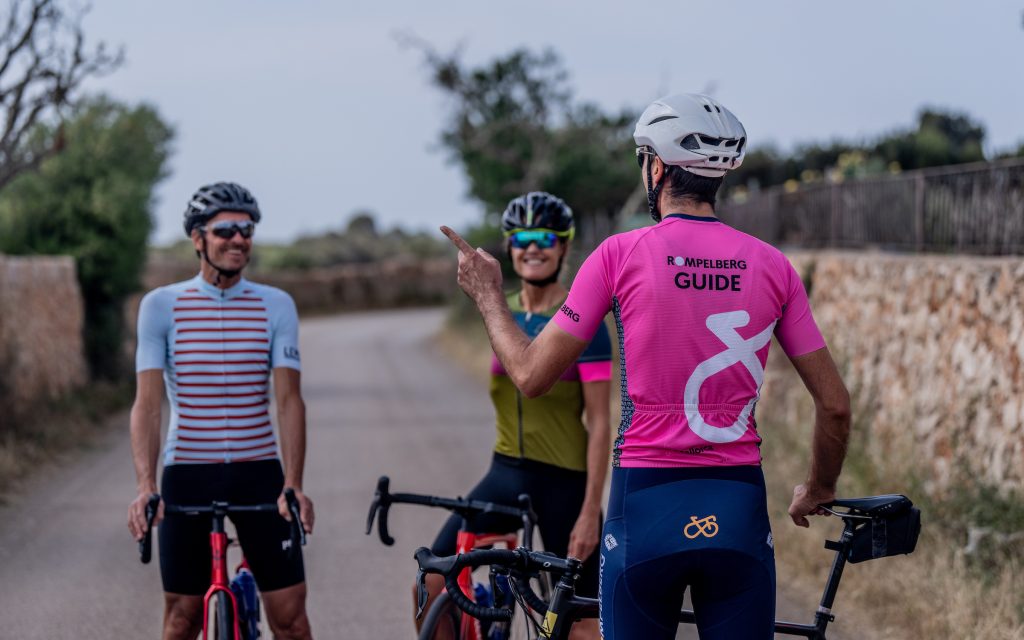
- Personal guidance from experienced guides who know the Tramuntana inside out and can advise you on the best route combinations
- Complete cycling packages including flight, hotel, and bike, so you can focus entirely on the ride
- Group rides by level, including the Breakaway group for competitive riders who want to tackle Sa Calobra and Puig Major at full speed
- Local knowledge about the best starting points, timing, and logistics for multi-day route combinations
Whether you want a fully catered cycling holiday or prefer to put together your own flexible programme, we are happy to think along with you. Get in touch and let us know which climbs are on your list for 2026.